How to Choose the Best Programmable Power Supply for Your Needs?

Time:2026-07-17 Author:Charlotte
0%

Choosing the right Programmable Power Supply is crucial for various applications. According to Dr. Mary Johnson, a leading expert in power electronics, "Selecting a Programmable Power Supply can significantly impact your project's success." Her insight emphasizes the importance of understanding the specific needs of your project.

Modern Programmable Power Supplies offer flexibility and precision. They are essential for testing, development, and production environments. However, the options available can be overwhelming. Factors such as voltage range, current limits, and control interfaces must be carefully considered. Many users overlook these details, which can lead to inefficient setups or equipment damage.

It's essential to assess your requirements accurately. Some users might prioritize features that are not necessary for their specific applications. This misstep can lead to wasted resources and frustration. Ultimately, investing time in researching and selecting the best Programmable Power Supply can lead to improved performance and reliability in your work.
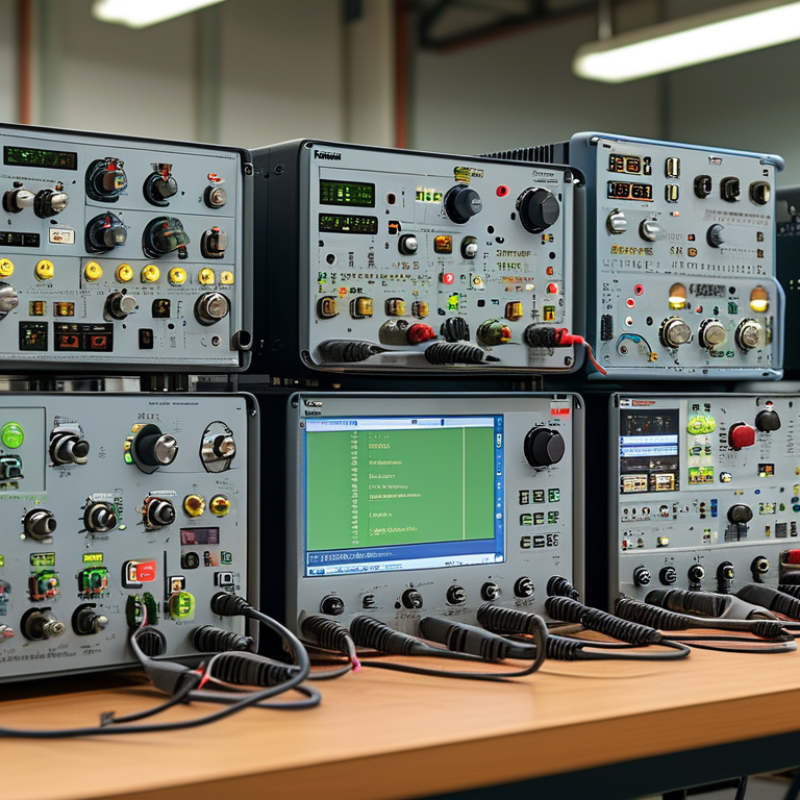
How to Choose the Best Programmable Power Supply for Your Needs?

Understanding Your Power Supply Requirements

When choosing a programmable power supply, understanding your power requirements is crucial. The right specifications impact performance and efficiency. First, determine the voltage and current you need. Research indicates that over 70% of engineers prioritize these aspects for their projects. Ensure the power supply can adapt to various loads. Adjustable voltage and current settings provide flexibility for different applications.

Tips: Check the load regulation and ripple voltage specifications. A power supply with good regulation minimizes voltage fluctuations. This can be vital for sensitive electronic components.

Next, consider future needs. Your power requirements may evolve over time. Select a model that supports higher power levels than your current requirements. Data shows that 50% of power supply users report needing more capacity within two years. It’s essential to balance cost with the necessary features to avoid premature upgrades.

Tips: Analyze manufacturer data sheets for test reports. They reveal reliability under specified conditions. Use these insights to compare models accurately.

Key Features to Look for in Programmable Power Supplies

When selecting a programmable power supply, key features significantly impact performance and usability. Voltage range, current capacity, and precision are critical aspects to evaluate. Reports from industry leaders indicate that power supplies with a wider voltage range can accommodate diverse applications. A typical voltage range might be from 0 to 30 volts, offering flexibility for multiple devices.

Another essential feature includes programmable interfaces. Modern power supplies often come with USB, Ethernet, or GPIB connections. These interfaces enhance control over the supply, enabling automation in testing environments. A study showed that 65% of engineers prefer power supplies with remote access capabilities. This preference underscores their importance in improving efficiency in complex setups.

Users should also consider the power supply's stability and noise levels. Fluctuations can affect testing outcomes. Advanced models often showcase less than 1% ripple voltage which is critical for sensitive applications. However, not all power supplies meet these standards. Some struggle to maintain consistency, highlighting the need for careful evaluation before making a decision.

Types of Programmable Power Supplies and Their Applications

When selecting a programmable power supply, it’s crucial to understand the different types available. Linear power supplies offer low noise output, making them ideal for sensitive electronic applications. However, they can be bulky and inefficient at high power levels. On the other hand, switching power supplies are compact and more efficient. They can manage higher power loads but may introduce noise into the system. This characteristic can be problematic in precision environments.

Another type to consider is the high voltage power supply, which is essential for applications requiring voltages beyond typical levels. These supplies must be chosen carefully to ensure stability and reliability. Additionally, programmable electronic loads are gaining popularity in testing scenarios. They allow engineers to simulate different load conditions to evaluate the performance of power supplies.

In practice, each type has its strengths and weaknesses. Users often find themselves struggling to balance noise levels with efficiency. The specific requirements of your application will dictate the most suitable choice. Taking the time to evaluate these factors will lead to better outcomes.

Types of Programmable Power Supplies and Their Applications

Evaluating Brands and Models: What to Consider

When evaluating brands and models of programmable power supplies, consider several key factors. Reliability is crucial. Ensure the power supply can maintain consistent performance even under varying loads. Look for user reviews that highlight real-world experiences. Evaluating the support from manufacturers also matters. Responsive customer service can ease future issues.

Power output is another important feature. It influences the types of devices you can power. Make sure to assess your specific requirements. Not all applications need high voltage or current; sometimes, lower specifications suffice. Also, consider the versatility in programming options. A model that allows for multiple voltage settings offers more flexibility in testing scenarios.

Don’t overlook safety features. Overcurrent and overvoltage protection can prevent costly damage. Check if manufacturers provide adequate documentation and guidelines. An informed choice is often the best choice. Weigh the pros and cons of various models. Sometimes, what looks ideal on paper may not perform as expected in practice.

How to Choose the Best Programmable Power Supply for Your Needs? - Evaluating Brands and Models: What to Consider

Model Output Voltage Range (V) Output Current Range (A) Power Rating (W) Features
Model A 0-30 0-5 150 Programmable, Overvoltage Protection
Model B 0-60 0-3 180 Remote Control, LCD Display
Model C 0-25 0-8 200 Multiple Outputs, Short Circuit Protection
Model D 0-50 0-10 500 High Precision, Remote Programming

Budgeting for Your Programmable Power Supply Purchase

When budgeting for a programmable power supply, consider the specific requirements of your application. Depending on the industry, prices can vary significantly. Reports indicate that reliable units may range from $200 to $2,000. An investment in a quality power supply can enhance equipment longevity. You might spend more upfront but save money in repairs later.

Assess the essential features you need. Features like voltage range, current settings, and connectivity options can influence the price. Data shows that over 30% of users prioritize digital control interfaces, which can add to the cost. However, these features often improve user experience and efficiency. Sometimes, simpler models meet basic needs effectively at lower prices.

Reflect on the total cost of ownership. Maintenance and support can add to your budget. A power supply is often used for years. Consider the after-sales service and availability of spare parts. Industry research highlights that poor support can lead to operational delays. Investing wisely means balancing initial costs with long-term savings and reliability.

FAQS

: Why is understanding power requirements important?

: Knowing your power needs ensures better performance and efficiency in your projects.

What specifications should I check for a power supply?

Look into voltage, current, load regulation, and ripple voltage for stability.

How can I prepare for future power needs?

Choose a power supply that supports higher levels than you currently require.

What types of programmable power supplies are available?

Common types include linear, switching, and high voltage power supplies, each with unique strengths.

How does noise affect power supply performance?

Noise can interfere with sensitive applications, so consider this when choosing a supply.

What factors should I evaluate in brands and models?

Focus on reliability, support, power output, programming versatility, and safety features.

How important is customer support from manufacturers?

Good customer support can help resolve issues effectively, enhancing your experience.

Should I trust all user reviews?

No, some reviews may not reflect actual performance; consider a range of feedback.

What challenges might I face when selecting a power supply?

Balancing noise levels, efficiency, and your specific application needs can be tricky.

What should I do if the power supply doesn't perform as expected?

Reevaluate your choice based on actual performance compared to specifications.

Conclusion

When selecting the best Programmable Power Supply for your needs, it's crucial to begin by understanding your specific power requirements. Consider factors such as voltage, current, and the intended application to ensure compatibility. Key features to look for include precision, adjustable output, and communication interfaces, all of which enhance the functionality of the power supply in varied scenarios.

Furthermore, it's important to familiarize yourself with the different types of Programmable Power Supplies available and their respective applications. Evaluating different brands and models with a focus on reliability and customer support can help narrow down your options. Finally, setting a budget that aligns with your requirements while considering the long-term value of the investment will ensure a smart purchase decision. By carefully assessing these aspects, you can choose a Programmable Power Supply that effectively meets your needs.

Charlotte

Charlotte

Charlotte is a seasoned marketing professional with a deep understanding of the company's portfolio and a passion for elevating its presence in the market. With a keen eye for detail and a commitment to excellence, she ensures that our professional blog is regularly updated with insightful articles......