Choosing the right Test Equipment is crucial for any business aiming to excel in its industry. According to a report by MarketsandMarkets, the global test equipment market is expected to reach $30 billion by 2025, growing at a CAGR of 5.2%. This growth reflects the increasing demand for testing and measurement tools across various sectors. Ensuring that your business selects the right equipment is more important than ever.
Expert in the field, Dr. John Smith, a renowned engineer, emphasizes, "The right test equipment can enhance productivity and improve product quality." His insights underline the impact that well-chosen Test Equipment can have on operational efficiency. However, many companies struggle with equipment selection due to a lack of understanding of their unique needs. Often, businesses end up with tools that don’t fully align with their specific testing requirements.
Test Equipment selection requires careful consideration of factors such as accuracy, reliability, and compatibility with existing systems. A hasty choice can lead to misguided results and ultimately affect the bottom line. It's essential to invest time in the selection process to avoid future challenges and ensure long-term success.
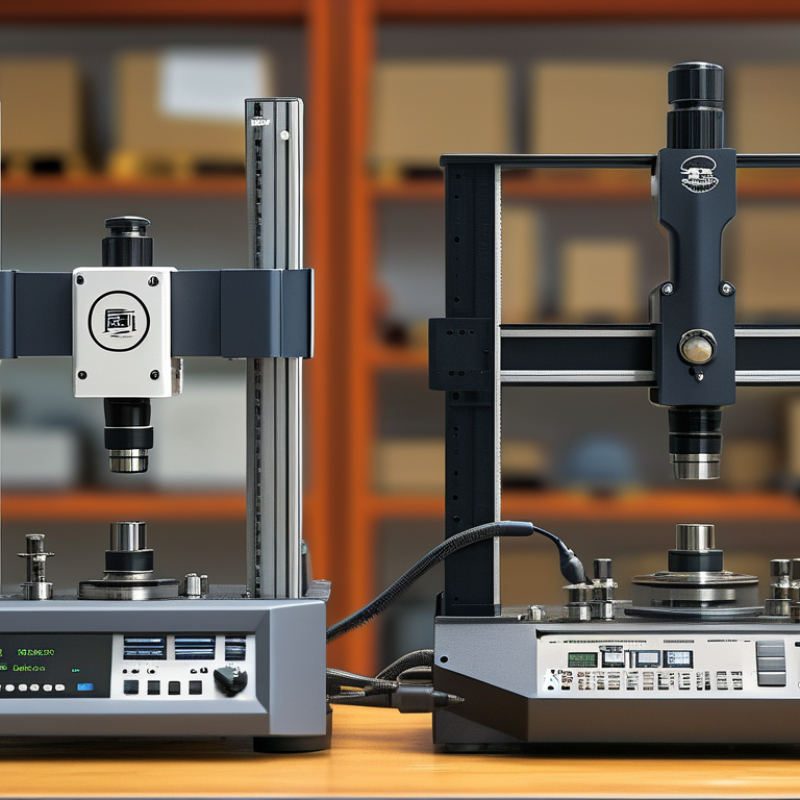
Selecting the right test equipment for your business can be daunting. Understanding the different types can help streamline your decision. Common types of test equipment include electronic testers, mechanical gauges, and environmental chambers. Each category serves specific needs and industries.
For example, electronic testers are vital for troubleshooting circuits. They ensure that electrical devices function correctly. Mechanical gauges measure physical attributes, such as pressure or temperature. Environmental chambers can simulate conditions for product testing, critical for companies in manufacturing and research.
Tips: Identify your specific needs before exploring equipment options. Consider your industry requirements and operational goals. Also, consult with experts to gather insight into the latest technologies and trends. This can prevent costly mistakes that may arise from choosing inappropriate tools. Remember, investing in reliable equipment pays off in quality and efficiency.
Choosing the right test equipment is crucial for business efficiency. Several factors influence this decision. Industry reports indicate that quality and accuracy are paramount. A 2022 study showed that 45% of equipment failures stem from inadequate testing tools. This highlights the need for precision and reliability in your choice.
Another essential factor is compliance with industry standards. Equipment must meet specific criteria to ensure results are valid. Research from the International Society for Testing shows that companies that use compliant equipment see a 30% reduction in unexpected errors. It's also important to consider the equipment's ease of use. Complicated setups can lead to operational hiccups, increasing downtime.
Cost is a significant concern, but it shouldn't compromise quality. Investing in higher-quality equipment can save money long-term through reduced repairs and replacements. A recent survey indicated that businesses saved 25% in operational costs within a year after upgrading their testing tools. Reflecting on your current equipment's efficacy is necessary. Ask yourself: is it meeting your needs? Analyzing equipment performance can reveal gaps in capability.
When selecting test equipment, quality and accuracy are paramount. High-quality instruments provide reliable results. Look for devices that are calibrated and certified. This validation often indicates that the equipment has passed rigorous testing standards.
Accuracy is another critical factor. A small error in measurement can lead to significant implications in your business. You should examine specifications closely. Compare them across different models to gauge what meets your needs. Also, consider the environment where the equipment will be used. Fluctuations in temperature or humidity can affect performance.
User feedback is valuable in evaluating equipment. Seek opinions from other professionals in your industry. Their experiences can guide you toward the most trustworthy options. Not every piece of equipment will meet expectations. Some may fail under pressure or produce inconsistent results. Reflecting on these shortcomings can aid in choosing wisely.
When considering test equipment purchases, budgeting is crucial. Many businesses mistakenly prioritize upfront costs over long-term value. A study from the National Institute of Standards and Technology showed that investing in quality equipment can enhance efficiency by up to 30%. This means paying slightly more may yield significant savings in the long run.
However, it’s vital to assess your specific needs. Choosing overly sophisticated equipment can lead to unnecessary spending. For instance, smaller companies often find that basic models are sufficient for their requirements. Research by the Technical Standards and Safety Authority indicates that 40% of companies experience underutilization of complex tools.
Balancing cost and value requires careful thought. Equipment that fits your operating environment is essential. Opting for the cheapest option might backfire later. Maintenance costs can add up. A survey revealed that 25% of businesses struggled with equipment reliability, leading to increased operational downtime. Consider total cost of ownership rather than just the purchase price.
When it comes to maintaining test equipment, regular checks are essential. It’s crucial to establish a maintenance schedule. Identify the frequency of usage to determine how often checks are needed. Ignoring this might lead to unexpected breakdowns.
Tips for effective maintenance include keeping detailed logs. Record each maintenance session and note any issues that arise. This practice helps in tracking performance over time. Another tip is to train your staff on basic troubleshooting. Empowering your team can minimize downtime.
Additionally, consider the support options available. Many suppliers offer service contracts. These contracts can cover unexpected repairs. However, ensure you understand what’s included in the agreement. Some contracts may exclude parts or labor. Evaluate the pros and cons before committing. Regular support can enhance reliability but may come with a cost. Reflect on your business needs before making decisions.
: Quality ensures reliable results. High-quality devices are often calibrated and certified.
Small measurement errors can significantly impact your business. Examine specifications closely.
Temperature and humidity fluctuations can affect performance. Assess your environment before purchasing.
Yes, it provides insights into trusted options. Learn from others' experiences to guide your choice.
Prioritizing upfront costs over long-term value may lead to poor choices. Consider total cost of ownership.
It could lead to unnecessary spending. Basic models may suffice, especially for smaller companies.
High maintenance costs may reduce equipment reliability. This can lead to increased downtime and impacts on operations.
Many companies find complex tools are not fully used. This can waste resources and budget.
Choosing the best test equipment for your business involves understanding the various types available to meet specific operational needs. Factors such as functionality, compatibility, and the specific requirements of your industry are crucial in making an informed decision. Evaluating the quality and accuracy of test equipment is also paramount, as these attributes directly impact your business's performance and reliability.
Additionally, it's essential to consider cost versus value when budgeting for test equipment purchases. While upfront costs may seem significant, the long-term benefits and efficiency gains can justify the investment. Finally, ensuring proper maintenance and support for your test equipment will contribute to its longevity and effectiveness, helping to sustain your business operations smoothly.
