How to Choose the Best Constant Current Source for Your Needs?

Time:2026-07-30 Author:Isabella
0%

Choosing the right Constant Current Source is crucial for various applications. It can significantly impact performance and efficiency. The right source ensures that current remains steady, regardless of load variations.

When selecting a Constant Current Source, consider the specific requirements of your project. Think about the voltage range, current rating, and load characteristics. Each of these elements plays a vital role in achieving optimal performance. A mismatch can lead to undesirable outcomes, like overheating or underperformance.

Understanding the key features of a Constant Current Source is essential. Look for reliability and stability in varying conditions. Also, assess how easy it is to integrate with existing systems. These factors can save time and effort in the long run. Rushing to make a decision without proper analysis may lead to regrets later. With careful consideration, the perfect Constant Current Source can enhance your project's success.
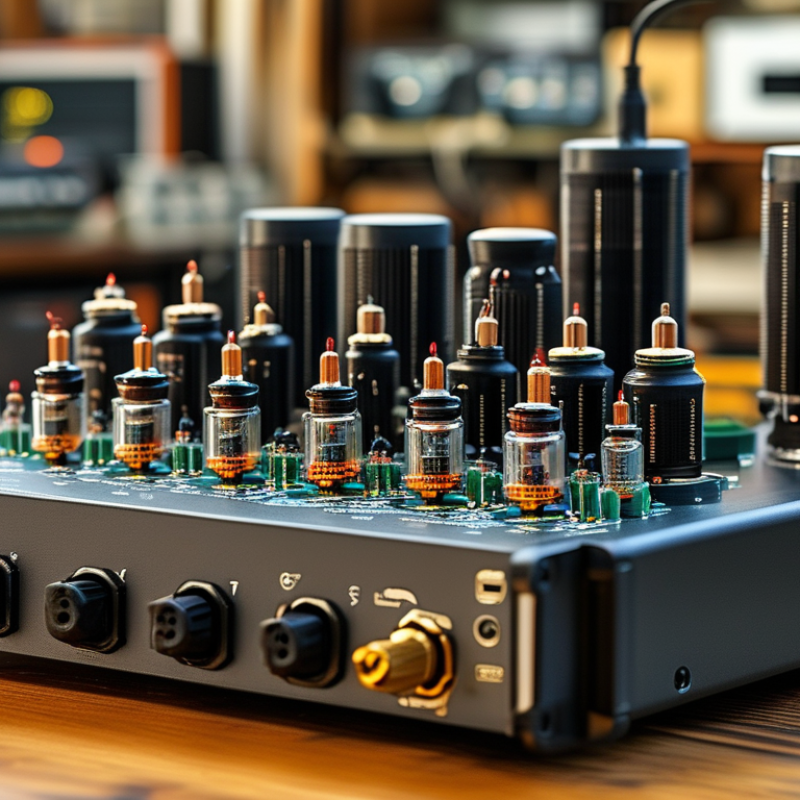
How to Choose the Best Constant Current Source for Your Needs?

Understanding Constant Current Sources and Their Importance

Understanding constant current sources is crucial in various applications, from lighting to industrial processes. These devices ensure that the current remains consistent, regardless of varying load conditions. For instance, a report from Power Electronics Associates indicates that constant current sources can maintain output stability within 1% under load changes. This reliability is essential for sensitive devices like LEDs, which can suffer from performance issues if the current fluctuates.

The significance of constant current sources extends beyond mere stability. They play an integral role in enhancing the lifespan of electronic components. According to the International Energy Agency, using a quality constant current source can increase the lifespan of LED lighting by up to 50%. This not only translates to cost savings but also reduces waste, supporting sustainable practices. However, choosing the right source can be challenging. It requires an in-depth understanding of your specific needs and the operational environment.

While constant current sources are vital, miscalculating the necessary specifications can lead to inefficiencies. For instance, over-specifying the current can result in unnecessary energy consumption. Conversely, under-specifying can damage sensitive equipment. Many engineers recommend a thorough analysis of load requirements before selection. This careful consideration can prevent performance issues down the line and ensure a reliable operation.

Different Types of Constant Current Sources

This chart illustrates the various types of constant current sources available, along with their typical output currents. Understanding these options can help you select the best constant current source for your specific needs.

Key Parameters to Consider When Choosing a Constant Current Source

When selecting a constant current source, several key parameters are crucial. The output current is essential, as it should match the specific requirements of your application. Consider the range of output currents available. Some projects may require precision in lower ranges, while others may need higher amperage. A careful assessment ensures you avoid underperformance or overloading.

Another vital aspect is compliance voltage. This parameter indicates the maximum voltage the source can output while maintaining a constant current. Understanding the load characteristics will help you determine the necessary compliance voltage, thereby preventing potential circuit damage. If the compliance voltage is too low, the source may not function correctly under all conditions.

Efficiency also plays a role in your decision. A more efficient constant current source generates less heat, improving reliability. Look for specifications that illustrate efficiency ratings, which can significantly impact long-term operation. Ultimately, your choice should reflect not just immediate needs, but also future adaptability. Consider how your application may evolve. Being future-ready is essential for maintaining optimal performance.

How to Choose the Best Constant Current Source for Your Needs? - Key Parameters to Consider When Choosing a Constant Current Source

Parameter Description Recommended Value Importance Level
Output Current Range The range of output currents the source can provide. 1mA - 2A High
Output Voltage The maximum voltage the source can deliver at the specified current. 0 - 30V High
Stability The ability of the source to maintain a constant current despite variations in load or supply voltage. < 1% variation Critical
Size and Portability Total size and weight, important for mobile applications. Compact (Under 1kg) Medium
Protection Features Includes overcurrent, thermal, and short-circuit protection. Essential High
Control Interface Type of interface for controlling the current, e.g., analog or digital. USB / Serial Medium
Cost Price range based on features and specifications. $50 - $500 Critical

Types of Constant Current Sources and Their Applications

Constant current sources are vital in numerous applications. They maintain a consistent output current, regardless of changes in voltage or load. There are several types available, each suited for specific needs. Linear constant current sources are widely used in LED drivers, ensuring stable brightness over time. They are simple to implement but can be inefficient due to power dissipation. Switching constant current sources offer higher efficiency and are ideal for battery-operated devices. They adjust voltage dynamically, providing consistent current while maximizing battery life.

When choosing a constant current source, consider your application carefully. High-precision sources may be necessary for test equipment, where accuracy is crucial. In contrast, simpler sources might be sufficient for lighting applications. Many users overlook the importance of thermal management. Poor heat dissipation can lead to performance issues and reduced lifespan. No one wants to troubleshoot failures due to overlooked details. Proper heat sinking or thermal control is essential in long-term usage.

Evaluate your budget as well. While high-quality sources offer reliability, they may not always fit budget constraints. Finding a balance between performance and cost can be challenging. Ensure that the selected source meets your required specifications without overspending. Adapting to changing needs can lead to reflection on past decisions. Aim for a constant current source that can grow with your projects.

Evaluating the Reliability and Efficiency of Constant Current Sources

When selecting a constant current source, reliability and efficiency are paramount. Research indicates that over 30% of electronic failures stem from poor power management. A reliable constant current source can drastically reduce these failures. Data suggests that systems with high reliability can improve overall performance by up to 20%. This improvement ensures consistent operation in critical applications, such as LED drivers and battery charging systems.


Efficiency directly impacts operational costs. Reports show that efficient constant current sources can reduce energy consumption by up to 15%. Such savings are not negligible in large-scale operations. However, finding the balance between efficiency and reliability can be difficult. Some sources may achieve high efficiency but compromise reliability. It's essential to critically evaluate specifications and performance under various conditions.


In real-world applications, users have reported disparities in expected performance. While a constant current source may perform well in laboratory conditions, it might not hold up under rigorous, demanding environments. Feedback from experienced engineers highlights the necessity of long-term testing to ensure reliability. Continuous monitoring can reveal performance drops, prompting reevaluation of choices. This iterative process ultimately leads to better decision-making.

Price vs. Performance: Finding the Right Balance for Your Needs

When selecting a constant current source, price and performance are critical factors. Many users want the best performance without overspending. However, striking a balance can be challenging. Some affordable options may perform poorly, leading to frustration. Conversely, high-end models might offer features that you don’t need, wasting your budget.

Consider your specific requirements. Will the source run LEDs, batteries, or something else? Each application demands different levels of precision and stability. If you only need basic functionality, an inexpensive model might suffice. Yet, if your work relies on accuracy, investing in a higher-quality source becomes necessary. Users should evaluate reviews and specifications carefully.

Reflecting on past choices can also shed light on what truly matters. Some have purchased the cheapest option, only to face reliability issues. Others splurged on features they never utilized. It's essential to identify what really matters to you. Ask yourself: how much precision do you need? Will you pay more for better support and service? Finding the right constant current source means weighing these factors thoughtfully.

FAQS

: What is the importance of reliability in constant current sources?

: Reliability is crucial as it reduces electronic failures, which can be over 30% due to poor power management.

How can efficiency affect operational costs?

Efficient constant current sources can lower energy consumption by up to 15%, leading to significant savings in large operations.

What challenges exist in balancing efficiency and reliability?

Some sources prioritize efficiency and compromise reliability. This balance is essential for optimal performance in demanding applications.

Why is long-term testing necessary for constant current sources?

Long-term testing ensures that performance remains consistent under rigorous conditions, helping avoid future reliability issues.

How should users evaluate constant current sources?

Users should assess specifications, performance under various conditions, and seek feedback from experienced engineers for better choices.

What should users consider before purchasing a constant current source?

Consider specific application needs. Different use cases require varying levels of precision and stability.

How can past experiences inform better purchasing decisions?

Reflecting on past choices can reveal what features are genuinely necessary and help avoid costly mistakes.

Is it always best to choose the most expensive option?

Not necessarily. Sometimes, high-end models offer unnecessary features, leading to wasted budgets.

What factors contribute to achieving the right balance in selection?

Identifying required precision, functionality, and potential support needs is essential for finding the suitable constant current source.

What can prompt a reevaluation of constant current source choices?

Continuous monitoring that reveals performance drops may indicate a need to reassess and make better decisions.

Conclusion

Choosing the best Constant Current Source requires a deep understanding of their significance in various applications. Constant Current Sources provide a stable output current, which is essential for maintaining consistent performance in electronic circuits. When selecting a source, key parameters such as output voltage range, load regulation, and thermal stability must be carefully evaluated. Different types of Constant Current Sources cater to specific needs, ranging from simple LED drivers to more complex industrial applications.

Moreover, assessing the reliability and efficiency of these sources is crucial for long-term operations. Striking a balance between price and performance ensures that the chosen Constant Current Source meets both budgetary constraints and technical requirements, ultimately leading to enhanced functionality and reliability in your projects.

Isabella

Isabella

Isabella is a dedicated marketing professional with a sharp focus on driving brand growth and engagement through strategic content creation. With an extensive background in digital marketing, she combines her passion for storytelling with her keen understanding of industry trends to deliver......