How to Choose the Best High Voltage Power Supply for Your Needs?

Time:2026-07-17 Author:Henry
0%

Choosing the right High Voltage Power Supply can be a daunting task. It involves understanding your specific needs and the various options available. An effective power supply can significantly impact your project's success, while a poor choice may lead to inefficiencies.

Consider various factors as you explore your options. For example, analyze the voltage and current requirements for your application. Not all power supplies are created equal; some are designed for specific industries or applications. Reading product specifications and user reviews can provide valuable insights into reliability and performance.

It is crucial to question your choices and reflect on what you truly need. Don't fall for the most expensive model without examining its capabilities. Seeking advice from experienced professionals in the field can help clarify your options. Ultimately, the best High Voltage Power Supply is one that meets your unique demands with efficiency and reliability.
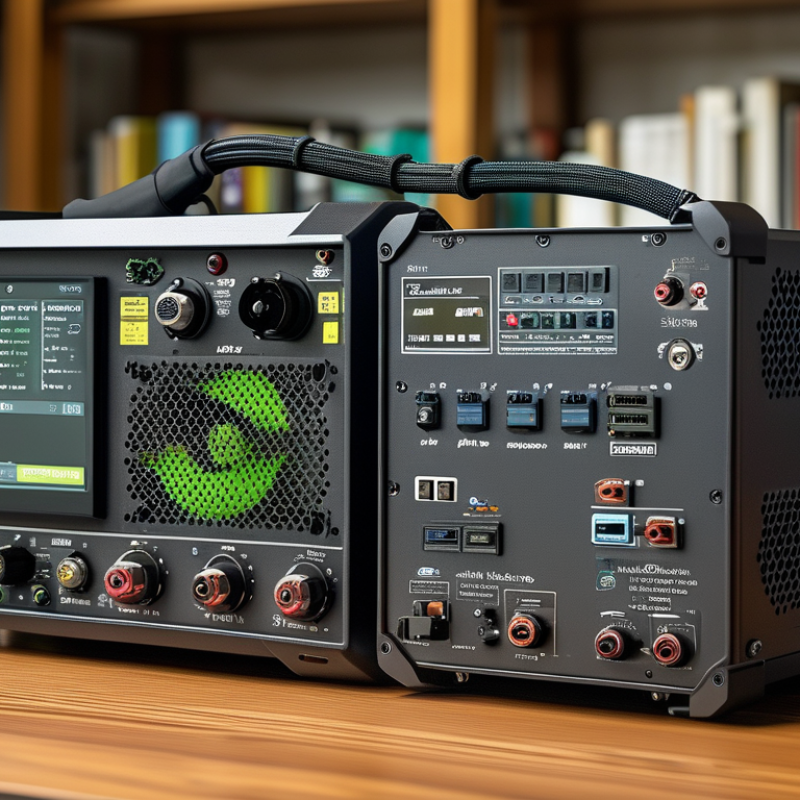
How to Choose the Best High Voltage Power Supply for Your Needs?

Understanding High Voltage Power Supply Basics

Understanding high voltage power supplies is crucial in various applications, from scientific research to industrial processes. These devices deliver voltage levels that exceed 1000 volts. Their design needs to consider both performance and safety features. Missteps in selection can lead to equipment damage or safety hazards.

When assessing a high voltage power supply, it's vital to understand the voltage and current requirements of your application. Different devices utilize distinct technologies, such as switch-mode or linear designs. Each has pros and cons. Linear supplies often provide clean outputs. However, they may be bulkier and less efficient. In contrast, switch-mode supplies are compact and efficient but can introduce noise in sensitive applications.

It's essential to examine reliability and build quality. Many power supplies are rated for continuous operation. However, some may not perform under extreme conditions. Look for units designed with thermal management systems. These systems help prevent overheating, ensuring stable operation over time. Keep in mind that unexpected issues can arise, requiring careful monitoring and adjustment.

Key Factors to Consider When Selecting a Power Supply

When choosing a high voltage power supply, consider several crucial factors. First, assess your specific voltage and current requirements. This ensures the chosen supply can meet your project's demands without overloading. Power supplies vary significantly in their output options. Knowing your exact needs helps avoid underperformance.

Another key point is the power supply's efficiency. High efficiency reduces energy waste, which translates to lower operating costs. Efficient supplies generate less heat, prolonging their lifespan. However, sometimes the most efficient option may not fit tightly within your budget. Reflect on the balance between performance and cost.

Finally, consider the safety features integrated into the power supply. High voltage applications can be risky; therefore, protective measures are essential. Look for features like overvoltage protection and short-circuit safeguards. Neglecting this aspect could lead to equipment damage or safety hazards. Each detail plays an important role in ensuring optimal operation and safety.

Types of High Voltage Power Supplies Available on the Market

When selecting a high voltage power supply, it's crucial to understand the different types available. There are linear and switching power supplies. Linear supplies provide stable output and low noise. However, they tend to be bulkier and less efficient. Switching supplies, on the other hand, are compact and efficient. They can handle high voltages and varying loads well.

Another category is regulated versus unregulated supplies. Regulated supplies maintain a constant output voltage, essential for sensitive applications. Unregulated models are simpler and cheaper but can fluctuate in output. Consider your specific needs. If precision is critical, a regulated supply is the way to go.

Specialty supplies serve niche applications. Some are designed for laboratory use, while others are suited for industrial environments. Each type has its unique specifications. It’s valuable to assess your current and future requirements. An ill-suited power supply can lead to equipment failure or reduced performance. Don’t overlook this aspect as you weigh your options.

Evaluating Specifications and Performance Metrics

When selecting a high voltage power supply, examining specifications is crucial. Voltage, current limits, and power ratings are primary factors. These metrics define the unit's capabilities and its suitability for your specific application. Pay attention to output voltage stability. A fluctuation could impact sensitive equipment. Likewise, check for low ripple voltage. This ensures minimal noise, which is essential for many test environments.

Performance metrics also deserve careful evaluation. Consider efficiency ratings alongside thermal management. An efficient unit generates less heat, prolonging its lifespan. Look for devices with protection features like short-circuit and overvoltage protection. This can prevent damage during unexpected faults.

Reflect on your current and future requirements. The best choice today may change as technology evolves. Assessing your needs against available options requires foresight. The landscape of high voltage applications is always shifting. What seems ideal now might not be tomorrow, urging continuous reevaluation of your choices. Balancing immediate needs with long-term vision is challenging, yet essential.

High Voltage Power Supply Specifications Comparison

Safety Considerations and Compliance Standards for High Voltage Systems

When selecting a high voltage power supply, safety and compliance standards are paramount. High voltage systems operate above 1000 volts, posing significant hazards. Following industry regulations such as IEC 61010 ensures that devices are safe for use. This standard covers essential safety requirements, helping to mitigate risks like electric shock and fire hazards.

Understanding the compliance landscape can be challenging. For instance, UL certification is crucial in the American market, while CE marking is essential for Europe. These labels demonstrate adherence to safety standards, but achieving them requires meticulous design and testing. Regular audits and thorough documentation are vital for maintaining compliance.

Tip: Always conduct a risk assessment before installation. Identify potential hazards and ensure that safety measures are in place.

Training personnel in safety protocols is equally important. Workers must understand how to handle high voltage systems properly. Ongoing education about potential hazards and compliance updates is necessary for a safe working environment.

Tip: Use clear labeling and signage to indicate high voltage areas. This can prevent accidents and improve safety awareness among staff.

In summary, a focus on safety and compliance can significantly reduce risks associated with high voltage power supplies. Proper research, adherence to regulations, and employee training are essential components for success in this field.

How to Choose the Best High Voltage Power Supply for Your Needs? - Safety Considerations and Compliance Standards for High Voltage Systems

Parameter Description Safety Considerations Compliance Standards
Output Voltage Typical voltage levels range from 1kV to 100kV. Ensure proper insulation and protection against arcs. IEC 61010 for safety requirements.
Current Rating Determines the load capacity; typically in mA. Overcurrent protection is essential. UL 61010 for electrical safety.
Type of Power Supply Linear or Switching modes. Consider EMI emissions and heat dissipation. EN 55022 for EMI emissions.
Load Regulation How well the supply maintains output under varying loads. Should comply with the manufacturer's specifications. ANSI/IEEE standards for power supplies.
Cooling Method Air or liquid cooling based on power dissipation needs. Maintain proper ventilation; avoid overheating. IEC 60950 for equipment safety.

FAQS

: What should I assess when choosing a power supply?

: Determine your specific voltage and current requirements to avoid overloading.

Why is power supply efficiency important?

High efficiency reduces energy waste and operational costs while extending the lifespan.

What are the types of high voltage power supplies?

The main types are linear and switching supplies, each with unique characteristics.

What is the difference between regulated and unregulated supplies?

Regulated supplies offer stable output, while unregulated supplies can fluctuate in voltage.

Why are safety features essential for high voltage power supplies?

Safety measures prevent risks like equipment damage and potential hazards.

How can compliance standards affect power supply selection?

Compliance ensures safety and adherence to regulations, reducing risks associated with high voltage use.

What is the importance of risk assessments in high voltage systems?

It helps identify potential hazards and ensures necessary safety measures are in place.

How can training improve safety in high voltage environments?

Training ensures personnel know how to handle systems properly and are aware of hazards.

What should I consider about the cost of power supplies?

Balance between efficiency and your budget, as high efficiency options may be pricier.

Why is ongoing education about compliance important?

It keeps workers informed about recent standards and contributes to a safer work environment.

Conclusion

When selecting a High Voltage Power Supply, it is crucial to first understand the basic principles underlying its operation and applications. Key factors to consider include the voltage and current requirements, load characteristics, and the specific application environment. Various types of High Voltage Power Supplies are available, each designed to meet different needs, so understanding these options is essential for making an informed choice.

Additionally, evaluating the specifications and performance metrics is vital to ensure reliability and efficiency in your application. Safety considerations cannot be overlooked, as High Voltage Power Supplies must comply with stringent safety standards to prevent hazards associated with high voltage systems. Thorough research and consideration of these aspects will help you select a High Voltage Power Supply that best fits your requirements.

Henry

Henry

Henry is a dedicated marketing professional with a profound expertise in the company's offerings. With years of experience in the industry, he possesses an impressive understanding of the market dynamics and consumer behaviors that drive success. Henry is committed to sharing his insights through......