How to Choose the Best Multifunction Calibrator for Your Needs?

Time:2026-08-24 Author:Isabella
0%

Choosing the right Multifunction Calibrator can be challenging. As industry expert Dr. Emily Carter states, "Selecting the right tool can make or break your calibration process." This insight emphasizes the importance of informed decision-making in calibration equipment.

Multifunction Calibrators are versatile tools used across various applications, such as testing, maintenance, and quality assurance. Their ability to measure and simulate multiple parameters elevates their functionality. However, the market is saturated with models boasting different features and prices. It’s essential to evaluate your specific calibration needs carefully.

While many users focus on brand popularity or latest technology, it’s crucial to consider accuracy, ease of use, and support. Not all Multifunction Calibrators are created equal. You may find that the most advanced calibrator lacks the features you require. Reflecting on personal experiences can guide your choice. What worked well for others might not suit your environment. Make sure to identify your priorities before making a purchase.
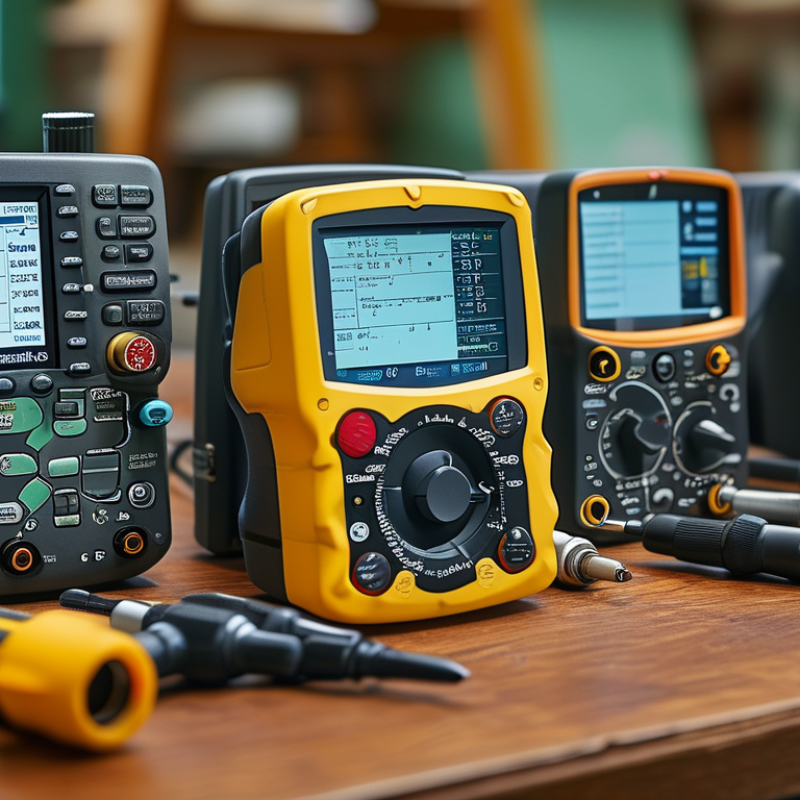
How to Choose the Best Multifunction Calibrator for Your Needs?

Understanding the Types of Multifunction Calibrators Available

When selecting a multifunction calibrator, it’s crucial to understand the different types available. Multifunction calibrators can be broadly categorized into voltage, current, temperature, and pressure calibrators. Each category serves varying functions tailored to specific industries. For instance, a report by the National Institute of Standards and Technology (NIST) highlights that temperature calibrators are essential in ensuring accuracy in processes within manufacturing and food safety sectors.

Voltage and current calibrators are indispensable in the electrical industry. According to a study published by the International Society of Automation, nearly 30% of measurement errors originate from calibration inaccuracies. This emphasizes the importance of selecting a calibrator that meets precise technical specifications. Pressure calibrators, meanwhile, are often employed in the oil and gas industry. These devices need to be reliable, given that even minor errors can lead to significant safety risks and financial losses.

Users should also consider features such as accuracy, range, and ease of use. Some calibrators are compact and portable, while others require more robust setups. The complexity can sometimes overwhelm users. For example, a multifunction calibrator with advanced features may also increase the risk of user error. Ultimately, understanding the types available helps users make informed choices aligned with their specific operational demands.

Key Features to Consider When Selecting a Multifunction Calibrator

When selecting a multifunction calibrator, several key features must be considered. Accuracy is paramount. A device that provides precise measurements can save time in troubleshooting. Calibration can be intricate. Ensure the device covers multiple ranges and types. Flexibility in the inputs is beneficial for various applications, allowing for broader usage.

Another critical aspect is ease of use. A user-friendly interface can make a significant difference in workflow efficiency. Look for devices that offer clear displays and intuitive navigation. This can minimize errors during operation. Portability is also worth examining. A lightweight design allows for easy transport, especially in field applications.

Finally, consider the support system. Reliable customer service and comprehensive documentation are essential. This can assist with troubleshooting and ensure longevity of the device. Investing time in understanding these features can lead to more effective selection. The right calibrator enhances productivity and reduces downtime. However, it is crucial to reflect on your specific needs and usage scenarios. Each choice should serve a clear purpose in your workflow.

Evaluating Accuracy and Precision in Calibration Devices

When selecting a multifunction calibrator, accuracy and precision are key factors. Accuracy refers to how close the measurements are to the actual value. Precision focuses on the consistency of repeated measurements. High-performing calibrators excel in both areas, ensuring reliable results. Understanding your specific requirements is essential, as various applications may demand different levels of accuracy.

Consider the specifications. A device with a lower uncertainty percentage typically offers greater reliability. Look for calibrators that provide detailed data regarding their calibration uncertainties. Real-world testing can often illustrate discrepancies that data sheets cannot fully capture. This approach will help you recognize any limitations in the device you choose.

For optimal performance, check the calibration frequency. Regular calibrations maintain accuracy over time. Ensure your calibrator can handle the specific range of measurements you will be making. An inconsistent device leads to unreliable outputs, potentially affecting important measurements. Don't forget to review user feedback online. Personal experiences can shine a light on the device's performance in everyday settings.

Budgeting for Your Multifunction Calibrator: Costs and Options

When budgeting for a multifunction calibrator, understanding costs and options is crucial. The price range for these devices varies widely, typically from $300 to over $5,000. The cost often reflects the calibrator's capabilities and accuracy. For example, advanced models with multiple functions can justify higher prices due to their versatility and precision. According to industry reports, the global market for calibration instruments is projected to grow at a CAGR of 6.8% from 2023 to 2030.

Options also play a significant role in budgeting. When selecting a calibrator, consider essential functions like temperature, pressure, and electrical measurement capabilities. Some options may be redundant for your specific needs, leading to overspending. Research shows that many users underutilize features in high-end models. Each additional function increases complexity and cost without corresponding benefits. Therefore, it is vital to assess what you genuinely require based on your operational context.

Additionally, consider maintenance and calibration costs after the initial purchase. Calibration labs often charge extra for services, impacting your total cost of ownership. A report by the National Institute of Standards and Technology highlighted that operational costs could contribute to nearly 25% of a calibration device’s lifetime expenses. This reality emphasizes the need for careful planning and analysis before making a purchase. Identifying your unique requirements and budgeting accordingly will lead to more efficient investments.

How to Choose the Best Multifunction Calibrator for Your Needs? - Budgeting for Your Multifunction Calibrator: Costs and Options

Feature Description Price Range (USD) Recommended For
Voltage Calibration Capability to calibrate AC and DC voltage levels. $300 - $800 Electricians, Engineers
Current Calibration Ability to calibrate various current outputs. $250 - $700 Industrial Technicians
Temperature Calibration Integrated temperature calibration for thermocouples and RTDs. $400 - $1000 Quality Control Labs
Frequency Calibration Capable of checking frequency and frequency-related instruments. $200 - $600 Telecommunication Technicians
Portability Lightweight and easy to transport for on-site calibration. $350 - $900 Fieldwork Professionals
User Interface Intuitive display and control for ease of use. $300 - $850 All Users

Assessing Compatibility with Your Existing Equipment and Systems

Choosing the right multifunction calibrator involves assessing its compatibility with your existing equipment and systems. Key factors include communication protocols, inputs, outputs, and measurement ranges. A comprehensive review of your current systems is essential to ensure seamless integration. Reports indicate that about 70% of users face integration challenges when switching calibration equipment.

Compatibility means more than just matching specifications. It involves understanding how the calibrator interacts with your processes. A mismatch can lead to inefficient workflows or inaccuracies. For instance, if your current systems use specific communication protocols, ensure the new calibrator supports these seamlessly.

To minimize potential issues, consult current industry standards and manuals. Regularly engage with calibration training and resources, as this can enhance your team's understanding. Ensure all personnel are aligned on existing system capabilities. Keeping documentation up to date helps clarify compatibility concerns and potential integration pitfalls.

FAQS

: What is the most important feature to consider in a multifunction calibrator?

: Accuracy is paramount. It saves time in troubleshooting and ensures precise measurements.

Why is ease of use critical for a calibrator?

A user-friendly interface enhances workflow efficiency and minimizes operational errors.

How does portability affect the use of a multifunction calibrator?

A lightweight design allows for easy transport, especially in field applications.

What should users consider when budgeting for a calibrator?

Understand the price range and ensure that the features align with your specific needs to avoid overspending.

What role do maintenance costs play in the overall budget?

Maintenance and calibration costs can add up significantly, impacting total ownership expenses for the device.

How can users assess compatibility with existing systems?

Review communication protocols, inputs, outputs, and measurement ranges to ensure seamless integration.

What is a common challenge users face when selecting new calibration equipment?

Approximately 70% of users encounter integration challenges when switching devices.

Why should redundancy of features be assessed?

Unused or unnecessary features can lead to overspending and increased complexity without added benefits.

How can training and documentation help with compatibility issues?

Regular training enhances understanding and keeping documentation updated clarifies compatibility concerns.

What overall strategy should users adopt when selecting a calibrator?

Reflect on specific needs and ensure each choice has a clear purpose for your workflow.

Conclusion

Choosing the right Multifunction Calibrator can significantly enhance the efficiency and accuracy of your calibration processes. To start, it's crucial to understand the various types of Multifunction Calibrators available, as they cater to different measurement needs. When selecting a calibrator, key features such as measurement range, resolution, and additional functions must be evaluated to ensure it meets your specific requirements.

Furthermore, assessing the accuracy and precision of the calibration devices is essential for achieving reliable results. Budget considerations play a critical role in your selection process; it's important to explore costs and available options that align with your financial plan. Lastly, ensure that the Multifunction Calibrator you choose is compatible with your existing equipment and systems to facilitate seamless integration and operation. By carefully evaluating these factors, you can make an informed choice that best suits your calibration needs.

Isabella

Isabella

Isabella is a dedicated marketing professional with a sharp focus on driving brand growth and engagement through strategic content creation. With an extensive background in digital marketing, she combines her passion for storytelling with her keen understanding of industry trends to deliver......