How to Choose the Best Power Analyzer for Your Needs?

Time:2026-08-09 Author:Isabella
0%

When selecting a Power Analyzer, it's essential to consider several factors. According to Dr. Emily Carter, a leading expert in energy measurement, "A proper Power Analyzer can transform your approach to energy management." This highlights the significance of choosing the right tool for your specific needs.

Power Analyzers vary widely in features and functionalities. It’s crucial to assess your requirements before making a purchase. Look for analyzers that offer accurate readings and user-friendly interfaces. Additionally, ensure they support your intended applications, whether for industrial, commercial, or residential use.

Mistakes happen. Many users often overlook compatibility with existing systems. This can lead to frustration and wasted resources. Don't rush the decision. Understand the specifications and capabilities of each option. A thoughtful choice will enhance efficiency and performance in your energy monitoring efforts.
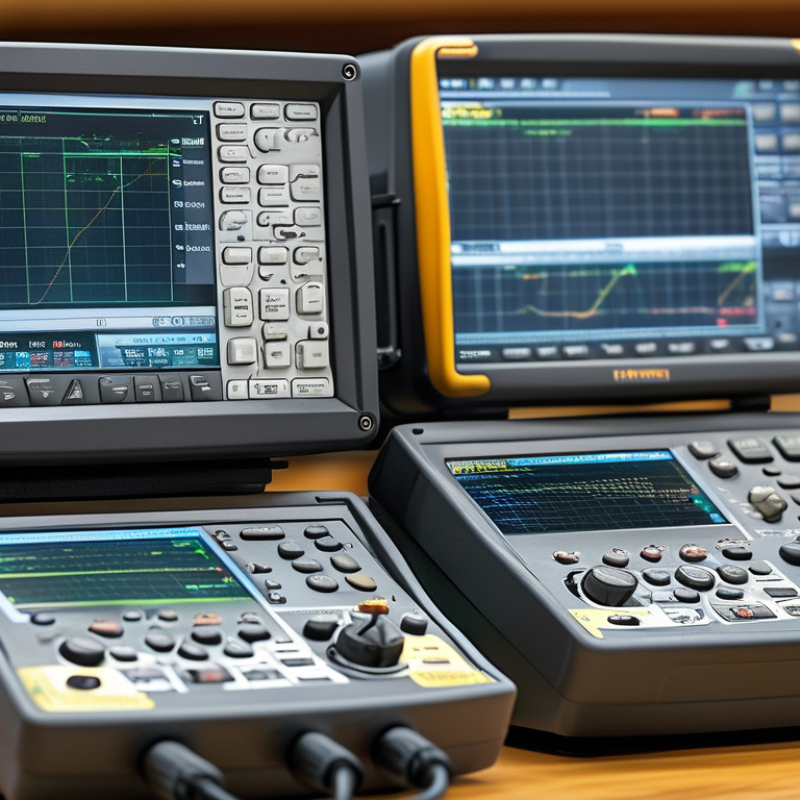
How to Choose the Best Power Analyzer for Your Needs?

Understanding the Basics of Power Analyzers and Their Functions

Power analyzers are essential tools for measuring electrical parameters. Understanding their fundamental functions is critical for making an informed choice. These devices assess voltage, current, power factor, and harmonic distortion. Knowing this is important for efficiency measures.

When selecting a power analyzer, consider the specific applications you need it for. Industrial settings might demand a more advanced model than home use. It’s crucial to analyze your requirements, especially if you deal with renewable energy sources. Each application may have unique challenges.

Choosing the right power analyzer is not always straightforward. You may encounter confusing specifications and features. Sometimes, even experienced professionals struggle with these technical aspects. It’s advisable to consult experts when in doubt. Their insights can help navigate the complexities of power analysis and lead you to a better choice, enhancing reliability in your applications.

Identifying Your Specific Measurement Needs and Requirements

When selecting a power analyzer, start by defining your specific measurement needs. Consider the types of electrical parameters you will monitor. Are you focusing on voltage, current, power factor, or harmonics? Your requirements will help narrow down options. Each parameter has distinct implications. Precision in measurements is crucial depending on your projects.

Think about the environments where you'll use the analyzer. Industrial settings may require a rugged design. Laboratory environments might favor accuracy and ease of use. Test the durability and functionality in real scenarios. Many users overlook these factors. They might expect a unit to perform reliably without considering its intended use.

Consider the display and usability of the device. A clear interface can save you considerable time. Complex settings can lead to errors. A good power analyzer should simplify the measurement process, not complicate it. Reflect on your user experience during operation. Clear communication between the device and the user ensures effective results. The right choice will align with both your needs and your expertise level.

Evaluating Key Features: Accuracy, Range, and Display Options

When choosing a power analyzer, accuracy should be your top priority. Accurate readings ensure that you can trust the data collected during tests. A deviation of even a small percentage can lead to incorrect conclusions. Look for devices that specify their accuracy levels. Typically, a measurement accuracy of ±0.5% or better is ideal for professional applications.

Range is another critical feature. The analyzer should cover the voltage and current levels you work with. If you're testing low-power devices, a lower range might suffice. However, for high-power equipment, you need a wide range to handle potentially high readings. Not all analyzers have the same range, so clarify this before making a final decision.

Display options influence usability. A clear, bright display with adjustable backlighting can significantly enhance your experience. Smaller screens can make it harder to read data at a glance. Ensure the display layout is intuitive. Touchscreens might look advanced but can complicate operation in an industrial setting. Think about what features will work best in your environment, and don’t hesitate to experiment. Even the best devices have quirks; understanding these can refine your use of the tool.

Comparing Different Brands and Models in the Market

When choosing a power analyzer, evaluating different brands and models is crucial. The market is filled with options, each boasting unique features and specifications. According to a recent industry report, the accuracy of measurements can vary significantly across brands. Models with an accuracy of ±0.5% are common, but some offer better precision. That can impact your decision based on application requirements.

Budget considerations also play a role. The price range for power analyzers varies widely. Basic models may cost around $100, while advanced units can reach $5,000. Your budget may limit the options available; however, it is essential not to compromise on quality. Investing in a reliable model often pays off in the long run.

Tips for selection: Assess your specific needs first. Decide what features matter most to you, such as harmonic analysis, data logging, or connectivity options. Research multiple brands; read user reviews for firsthand experiences. Always request calibration certification to ensure data reliability. Selecting the right analyzer is not just about features; it’s also about supporting your professional objectives. The wrong choice can lead to inaccurate measurements and wasted resources.

Power Analyzer Comparison: Power Consumption Across Different Devices

Assessing Budget Considerations and Long-Term Value of Power Analyzers

When selecting a power analyzer, budget considerations are crucial. Higher-priced models often promise advanced features. However, they may not always deliver better long-term value. Analyzing specific needs should guide your decision. Will you use it for periodic checks or continuous monitoring? A less expensive model might suffice if your tasks are basic.

Consider the initial cost versus ongoing expenses. Cheaper devices can result in lower quality. They might require frequent repairs or calibration. This can lead to hidden costs over time. Ensure you evaluate warranty options and service availability. These factors contribute to a device's overall reliability.

It’s essential to look beyond the sticker price. Some budget models have limited functionality, which can hinder performance. Review user experiences and feedback on durability. This helps provide insights into potential long-term issues. A balanced approach will lead you to a smart purchase.

How to Choose the Best Power Analyzer for Your Needs? - Assessing Budget Considerations and Long-Term Value of Power Analyzers

Feature Description Estimated Price ($) Long-Term Value (Years)
Basic Power Measurement Measures voltage, current, and power factor. 200 5
Advanced Analysis Features Harmonics analysis, transients, and power quality metrics. 800 7
Wireless Connectivity Bluetooth or Wi-Fi for remote monitoring and control. 500 6
User-Friendly Interface Easy-to-navigate menus and clear display. 350 5
Data Logging Capability Stores measurements for analysis over time. 600 8
Portability Compact design for on-site measurements. 300 5

FAQS

: What are power analyzers used for?

: They measure electrical parameters like voltage, current, power factor, and harmonic distortion.

How do I choose the right power analyzer?

Define your measurement needs first. Consider your specific applications and the surrounding environment.

What features should I prioritize in a power analyzer?

Focus on accuracy, measurement range, and display options to ensure reliable data collection.

Why is accuracy important in power analyzers?

Even small deviations can lead to incorrect conclusions in your measurements.

What should I consider regarding the analyzer's environment?

Rugged designs suit industrial settings, while precision is vital in laboratories.

How can the display affect my user experience?

A clear, bright display with an intuitive layout makes it easier to read data quickly.

Are all power analyzers suitable for every application?

No, each application may present unique challenges that some analyzers may not handle well.

Can I rely solely on specifications for my choice?

Specifications can be confusing. Consulting with experts may provide better clarity and insights.

Why might users overlook durability when choosing a power analyzer?

Many assume units will perform reliably without considering the conditions of their intended use.

What’s the downside of using complex settings on power analyzers?

Complex configurations can lead to errors, complicating the measurement process unnecessarily.

Conclusion

When selecting the best Power Analyzer for your needs, it's essential to start by understanding its fundamental functions and capabilities. Power analyzers play a crucial role in measuring electrical parameters effectively, so identifying your specific measurement requirements is the first step to ensure you choose the right device.

Once you have a clear understanding of your needs, evaluating key features such as accuracy, measurement range, and display options becomes important. Comparing different brands and models available in the market will help you understand the strengths and weaknesses of each option. Finally, budget considerations should not be overlooked, as investing in a quality Power Analyzer can provide long-term value and reliability in your electrical measurements.

Isabella

Isabella

Isabella is a dedicated marketing professional with a sharp focus on driving brand growth and engagement through strategic content creation. With an extensive background in digital marketing, she combines her passion for storytelling with her keen understanding of industry trends to deliver......