How to Choose the Right Load Bank in 2026?
Choosing the right Load Bank in 2026 is not simply a matter of comparing kilowatts, prices, and delivery dates. It is a decision about risk, operating conditions, and evidence. A generator may start smoothly in a quiet test room, yet struggle when motors, battery chargers, pumps, or cooling systems create a real demand profile. Small details matter. Cable length matters. Ventilation matters. So does the difference between resistive, reactive, and resistive-reactive testing.
Electrical educator Mike Holt offers a useful warning: “You cannot test an emergency power system by simply starting it.” That principle remains highly relevant to Load Bank selection. A properly matched unit should reproduce realistic loads, expose weak connections, and support clear test records. It should also fit the site without creating avoidable heat, noise, or access problems.
The best choice depends on the application. A data center may need precise step loading and remote monitoring. A rental fleet may prioritize portability, rugged controls, and quick setup. Marine or industrial facilities may require reactive testing and strict environmental protection. Do not overlook service support. A sophisticated Load Bank is less valuable when calibration records are unclear or replacement parts take weeks.
There is no perfect selection formula. Assumptions fail.
This guide examines capacity, load type, cooling, controls, safety features, compliance documentation, and lifecycle cost. It also questions common purchasing habits. The cheapest unit may become the most expensive after one failed test, one delayed project, or one overlooked operating limit.
What Is a Load Bank and Why Is It Needed?
How to Choose the Right Load Bank in 2026?
What Is a Load Bank and Why Is It Needed?
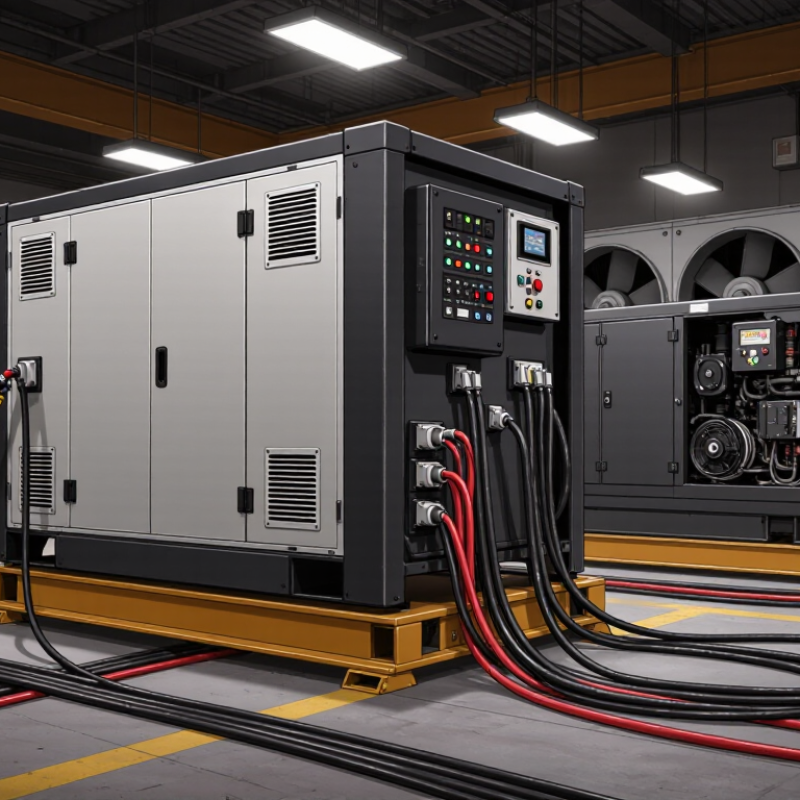
A load bank is a controlled electrical device that imitates real equipment demand. It converts generated power into heat or reactive load. It is controlled demand. Technicians use it to test generators, UPS systems, batteries, and transfer equipment without connecting live business operations. This reveals weak connections, unstable voltage, cooling problems, and poor fuel performance before an emergency occurs. Uptime Institute’s Annual Outage Analysis 2024 reported that 54% of data center outages caused financial losses above $100,000. Failures are expensive.
Demand is also becoming harder to predict. The IEA’s Electricity 2024 report projects data center electricity consumption will rise from about 415 TWh in 2024 to over 945 TWh by 2030. A suitable load bank should match the system’s voltage, frequency, phase configuration, capacity, and load type. Resistive units suit basic generator testing, while reactive or combined units better represent motors, transformers, and power electronics. Select equipment with gradual load steps, accurate monitoring, thermal protection, and clear test records. Portable units help at remote sites, but their cables and ventilation requirements are often underestimated.
Real testing is less tidy than a specification sheet suggests. A generator may pass at 75% load yet struggle during sudden demand changes. That is why staged testing matters. Review operating temperature, altitude, noise limits, access space, and safety procedures before purchase. The right choice is not always the largest unit. It is the one that produces reliable evidence under realistic conditions.
FAQS
Start with the equipment and test purpose. Resistive units suit generators, UPS systems, and battery discharge checks. Reactive units imitate motors and transformers more closely. Combined units better represent commercial facility loads. Cabinet size alone is not enough.
Use it for stable, unity-power-factor testing. It can verify generator output, UPS performance, and basic battery capacity. Check rated kilowatts, voltage, phase, and frequency before connection. A 500 kW rating may still be unsuitable. Do not guess.
Reactive loads create motor-like power factors. They can reveal weak voltage control, cooling problems, and alternator limitations. This matters when equipment supplies motors, transformers, or similar inductive devices. A resistive test may look fine but miss these weaknesses.
Confirm rated kW, kVA, voltage, phase configuration, and frequency. Also check step-load sizes, continuous duty, target power factor, and connection requirements. Review altitude and ambient temperature limits. Cooling and mobility matter too. The site decides.
Battery systems generally need DC load banks with controlled discharge. Accurate voltage, current, time, and capacity measurements are important. Electronic loads can reproduce changing digital demand. They may not represent motors or transformers accurately. Record discharge behavior carefully.
Inspect cables, lugs, grounding points, and connectors before energizing. Keep air-cooled equipment away from walls and combustible materials. Provide a clear route for hot exhaust air. Verify breaker ratings, phase rotation, emergency stops, and protective relays. Begin with a low load step.
Monitor voltage, current, frequency, and cable temperature continuously. Watch for unusual heat, noise, smell, or unstable readings. A loose terminal may remain hidden until heating begins. That mistake is avoidable. Not always obvious.
Keep a written maintenance log for every test. Clean filters, fans, louvers, and resistor assemblies regularly. Inspect contactors, terminals, wheels, and control wiring for wear. Compare meters with calibrated instruments. Store the unit dry and protected from dust. The original schedule may be too optimistic.
Conclusion
Choosing the right Load Bank in 2026 begins with understanding its purpose: to apply a controlled electrical load so generators, batteries, UPS systems, and other power equipment can be tested under realistic conditions. Before selecting a model, define your testing requirements, including voltage, frequency, load capacity, operating environment, testing duration, portability, and whether resistive, reactive, or combined loading is needed.
Next, compare suitable load bank types by capacity, control options, monitoring functions, cooling method, noise level, safety protection, and compliance with relevant industry standards. Consider how the unit will be transported, connected, ventilated, and operated at the testing site. A practical selection should also include a clear installation plan, qualified personnel, routine inspections, cleaning, calibration, and preventive maintenance. By matching technical specifications with actual testing goals and long-term service needs, organizations can improve equipment reliability, identify performance problems early, and achieve safer, more efficient power system testing.
