Choosing the right AC Power Analyzer can be a daunting task. Various models and brands flood the market, each claiming to be the best. The ideal AC Power Analyzer should meet your specific needs and requirements.
To make an informed decision, understanding the key features of these devices is crucial. Reliability, accuracy, and ease of use are essential factors to consider. Many users overlook these elements, leading to dissatisfaction with their purchase.
Consider your experience in using analytical tools. If you are a novice, you might struggle with complex features. On the other hand, experts may desire advanced functionalities. Balancing user-friendliness with advanced features is necessary to choose the right AC Power Analyzer. Reflect on your needs carefully to avoid regrets later on.
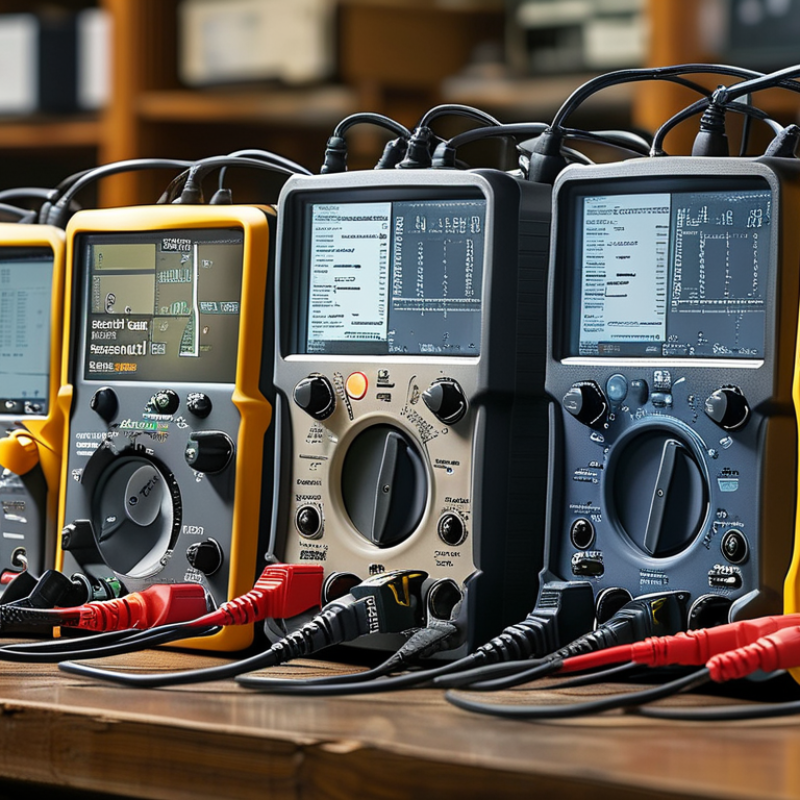
Understanding AC Power Analyzers involves grasping their key features and functions. These devices are critical for measuring various electrical parameters in AC systems. They provide insights into voltage, current, frequency, and power factor. Knowledge of these metrics is essential for optimizing energy efficiency.
When choosing an AC power analyzer, check the display features carefully. A clear and user-friendly interface makes readings easier. Look for options that show real-time data. This can help monitor performance immediately. Additionally, consider the device's data logging capabilities. Storing data for future analysis is valuable for trend monitoring.
Battery life is another essential factor. Frequent recharging can disrupt usage patterns, especially in field applications. Portability matters here; ensure the analyzer is easy to transport. However, not all models are lightweight. Some provide comprehensive features while being bulky. Reflect on what your specific needs are, as this might affect your decision. Balancing features and practicality is crucial.
When selecting an AC power analyzer, measurement precision should be a top priority. Accuracy in readings directly impacts your ability to assess electrical performance effectively. Consider how slight variations in readings might lead to significant deviations in data interpretation. For instance, a mere 1% error in measurement can skew results for load analysis, performance testing, or efficiency evaluations, resulting in misguided decisions.
The right analyzer should guarantee high precision across various ranges of voltage and current. Understanding your specific requirements can help you identify the best model for your needs. It’s essential to review specifications thoroughly, focusing on error margins and calibration recommendations. Reliable models often provide detailed documentation on their accuracy under specified conditions. However, even reputable devices may occasionally display inconsistent results under extreme conditions. Users must remain aware of these limitations and conduct regular checks.
Choosing a power analyzer isn’t solely about finding a high-performance instrument. It involves a discernment process, weighing the trade-offs between cost and accuracy. Sometimes, models that seem tempting may compromise on precision for lower price points. Reflecting on your actual needs versus theoretical requirements can guide more practical choices. Understanding that no analyzer is infallible encourages vigilance in data collection, fostering a more robust approach to electrical analysis.
| Feature | Description | Importance | Recommended Value |
|---|---|---|---|
| Accuracy | The degree to which the measured value aligns with the true value. | Essential for reliable measurements in critical applications. | ±0.1% or better |
| Measurement Range | The span of values that the analyzer can accurately measure. | Wide range allows flexibility in testing different devices. | 0.1 A to 100 A |
| Display Type | Type of user interface for viewing measurements. | A clear display enhances usability and data interpretation. | Digital with backlighting |
| Data Logging | Ability to record measurement data over time. | Important for long-term monitoring and analysis. | Minimum 1000 data points |
| Connectivity | Options for connecting to external devices or networks. | Allows for data transfer and remote monitoring. | USB and Bluetooth |
When selecting an AC power analyzer, it’s essential to understand the different types available. Depending on your application, options range from handheld devices to sophisticated bench-top analyzers. Handheld units are portable and suitable for fieldwork, whereas bench-top models offer advanced features for laboratory testing. The choice between them hinges on your specific needs.
Tips for choosing the right model include identifying your measurement requirements. For basic voltage and current analysis, a simple device may suffice. If you need to analyze harmonics or power factor, consider a more advanced unit. Durability is also vital. A lightweight model can be tempting, but ensure it withstands your working conditions.
Not all applications demand the most advanced technology. Reflect on your budget and requirements critically. Extra features may not enhance every user's experience. Sometimes, a straightforward device performs adequately. By considering both your immediate and future needs, you can make a more informed decision for long-term use.
When selecting an AC power analyzer, focus on key specifications that align with your measurement needs. Voltage measurement is crucial for assessing electrical systems. It helps ensure that devices receive appropriate power levels. Look for a model capable of measuring a wide voltage range to accommodate different applications.
Current measurement is equally important. It determines the load characteristics and performance of your devices. Make sure the analyzer supports both AC and DC current measurements. This versatility allows you to analyze a broader spectrum of electrical systems.
Harmonics measurement is another vital feature. Harmonics can distort power quality and affect equipment performance. Regular analysis of harmonics can help identify issues before they escalate. Specific metrics like THD (Total Harmonic Distortion) are critical in evaluating energy efficiency. By paying attention to these specifications, you can choose an analyzer that meets your unique requirements. Always be ready to reassess your choices as technology advances.
When selecting an AC power analyzer, the interplay between cost and performance is crucial. High-quality analyzers often come with a higher price tag, reflecting their advanced features and accuracy. However, it’s essential to assess your specific needs before making a decision. An over-engineered model may lead to unnecessary expenses. On the other hand, opting for a lower-cost unit might compromise performance. Balancing these factors is key.
Consider the specific measurements you require. Basic models can measure voltage and current. More advanced options provide detailed harmonic analysis and power factor readings. Aim for an analyzer that meets your performance needs without excess features. Many users report feeling lost in a sea of choices. Take your time to research and compare multiple options to understand the offerings.
User reviews can provide valuable insights, but be cautious. Not all reviews reflect genuine experiences. Some analyses may exaggerate a product's capabilities. Reach out to professionals in the field for personalized recommendations. Ultimately, the right AC power analyzer should offer reliable data, fit your budget, and empower you in your projects. Maintaining a critical view of both price and performance will steer you toward a thoughtful selection.
: Measurement precision is crucial for accurate electrical performance assessment. Even a 1% error can significantly skew results.
Consider the voltage and current ranges you need. Understand your requirements and focus on error margins in specifications.
Yes, even reliable models may show inconsistencies under extreme conditions. Regular checks help manage these limitations.
Higher quality models often cost more. Assess your specific needs to avoid overspending on unnecessary features.
Basic models measure voltage and current. Advanced models offer harmonic analysis and power factor readings if needed.
Take your time to research and compare. User reviews can help, but verify authenticity before trusting them completely.
Professionals can provide personalized recommendations. Their insights may help you avoid common pitfalls in decision-making.
Lower-cost units may compromise performance and accuracy. Weighing cost against your specific needs is essential for wise choices.
Regular checks are necessary to ensure consistent performance. This vigilance fosters more reliable electrical analysis.
No analyzer is infallible. Stay aware of limitations and maintain a critical view of both price and performance.
When selecting an AC Power Analyzer, understanding its key features and functions is essential. These devices play a crucial role in measuring the power quality and efficiency of electrical systems, making it important to assess accuracy and precision in their measurements. Different types of AC Power Analyzers cater to various applications, so identifying the one that aligns with your specific needs is vital.
Moreover, key specifications such as voltage, current, and harmonics measurement should be carefully considered to ensure optimal performance. Budgeting for quality is also a significant factor, as it is important to balance cost with the performance capabilities of the AC Power Analyzer. By taking these aspects into account, users can make informed decisions and select the best analyzer suited to their requirements.
