Precision DC Power & Electronic Testing Solutions
Explore our elite portfolio of high-precision, programmable, and linear power supplies engineered for rigorous industrial testing, academic R&D, and quality control calibration.
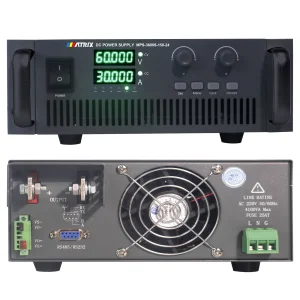
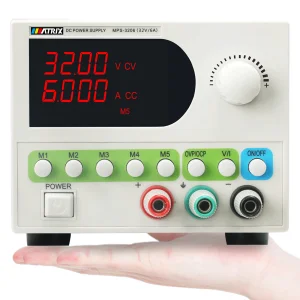
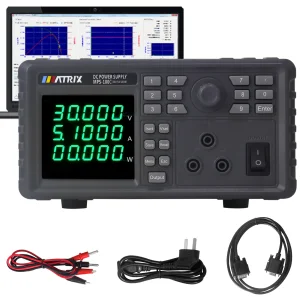
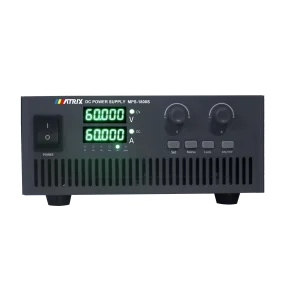
Corporate Authority & Global Manufacturing Pedigree
Delivering precision power control instrumentation since 2003 with rigorous verification standards.
Established in Guangzhou, China, in 2003, GUANGZHOU MATRIX POWER TECHNOLOGY LIMITED has emerged as a premier globally integrated developer and manufacturer of high-precision power supply products, testing equipment, and system integrations. Over two decades of rigorous commitment to scientific research, product design, and global commerce has enabled us to optimize testing infrastructures across multiple industrial applications.
Through robust R&D engineering, we continuously provide global users with reliable, durable, and highly stable DC-regulated power supplies, digital AC power sources, and electronic loads. Our testing solutions are designed to address the challenges of simulated load dynamics, battery testing parameters, and safety requirements of complex modern electrical ecosystems.
Today, our sales network spans more than 80 countries and regions across Europe, North America, Southeast Asia, and South America. Backed by certified management systems including ISO 9001, CE, and RoHS, we ensure that every unit leaving our production line delivers stable performance, user-centric interface integration, and long-term instrument reliability.



2003
Founded & Rooted in Guangzhou
80+
Exporting Destinations
ISO9001
Certified Quality Assurance
The Evolution and Technical Trends of Electronic Loads
Understanding how modern power grids, electric vehicles, and renewable integration drive the demand for smart, bidirectional, and high-precision testing instruments.
Modern Dynamic Range Tests
Traditional static resistive loads have given way to dynamic, software-defined electronic loads. Current testing workflows demand programmable capabilities capable of generating complex wave structures, simulating high-frequency transient load swings, and measuring impedance matching under variable operational environments.
Wide Bandgap Semiconductor Integration
The introduction of Silicon Carbide (SiC) and Gallium Nitride (GaN) components in modern power converters significantly speeds up transition times. Consequently, electronic load systems must achieve nanosecond response speeds (slew rates exceeding 10A/µs) to prevent oscillation and accurately measure switching anomalies.
Modularity & Scalability
B2B procurement prioritizes flexible testing infrastructures. Modular testing instruments allow modules to be configured in parallel or series configurations. This flexibility allows laboratory engineers to switch easily between small-scale power device validation and multi-kilowatt EV charger testing protocols.
Industrial testing requires a shift from dissipative methods to precise, digitizing measurement loops. Below is the workflow comparison that highlights Matrix Power's target integration for complex load configurations:
Input Signal Digitization
High-resolution ADCs sample incoming power variables at rates of up to 500 kHz to prevent transient data loss during fast steps.
DSP Array Processing
Advanced digital signal processors compute instantaneous impedance correction vectors, managing CC, CV, CR, and CP modes in real-time.
Active Dynamic Heat Dissipation
Smart thermal management matches fan speeds to heat-sink profiles, extending instrument lifecycle under constant duty cycles.
Automated Telemetry Feedback
USB, RS232, and RS485 links send diagnostics back to central SCADA systems, preventing out-of-spec testing errors.
Technical Specifications Checklist for Global B2B Buyers
How technical directors and procurement specialists evaluate manufacturing capability and product specifications to match complex engineering needs.
1. Dynamic Slew Rates & Transient Response
When simulating real-world power sinks, the load's slew rate (how fast it changes current) is critical. Buyers should verify if the electronic load or programmable DC power source supports adjustable slew rates. This feature protects sensitive diodes under test while capturing high-speed switching spikes.
2. Digital Programming & Remote Interface Support
Industry 4.0 automation relies on integrated testing loops. Modern test chambers require interfaces like RS232, RS485, USB, and GPIB, along with standard Modbus or SCPI programming languages, to seamlessly integrate with central control software.
3. Protective Guardrails (OVP, OCP, OPP, OTP)
Protecting the device under test (DUT) is just as important as protecting the test instrument itself. High-quality systems feature programmable over-voltage, over-current, over-power, and over-temperature safety shutdown procedures to protect valuable prototypes.
Macro-Level Testing and Industrial Power Solutions
Customizable setups designed for complex test profiles, validation safety, and engineering accuracy.
Automotive Electrification (EV / EVSE Validation)
The global transition to high-voltage electric vehicle architectures (800V+) requires charging systems and battery management units (BMS) to handle significant high-frequency surges. Matrix Power’s adjustable DC configurations supply precise current profiles for battery lifecycle testing, cell balancing emulation, and high-power DC fast-charging station safety verification.
Renewable Energy Integration & Inverter Performance
Photovoltaic inverters and wind-energy distribution systems must optimize power output using Maximum Power Point Tracking (MPPT) under variable solar and wind conditions. Programmable DC power supplies can simulate various PV curve outputs, allowing engineers to test inverter efficiency and stability against fluctuating grid requirements.
Aerospace Avionics & Industrial Automation
Aerospace electrical grids operate under rigorous conditions, often requiring stable 400Hz AC and low-noise DC distributions. Linear power supplies and electronic load simulators allow avionics manufacturers to test onboard actuators, radar modules, and cabin control systems against voltage drops, transient fluctuations, and electromagnetic noise.
Compliance Frameworks & International Trade Guarantee
Our commitment to export quality, safety standards, and robust quality control systems.
Operating a global supply chain requires strict adherence to international safety and quality standards. Our manufacturing processes follow the ISO 9001:2015 Quality Management System. This structured approach guarantees trace-level component accountability, standardized calibration processes, and rigorous burn-in tests for every product before shipping.
Additionally, our products carry CE and RoHS certifications, verifying compliance with European safety, environmental, and hazardous substance directives. This regulatory compliance simplifies customs clearance and ensures seamless integration into local systems across all target export markets.
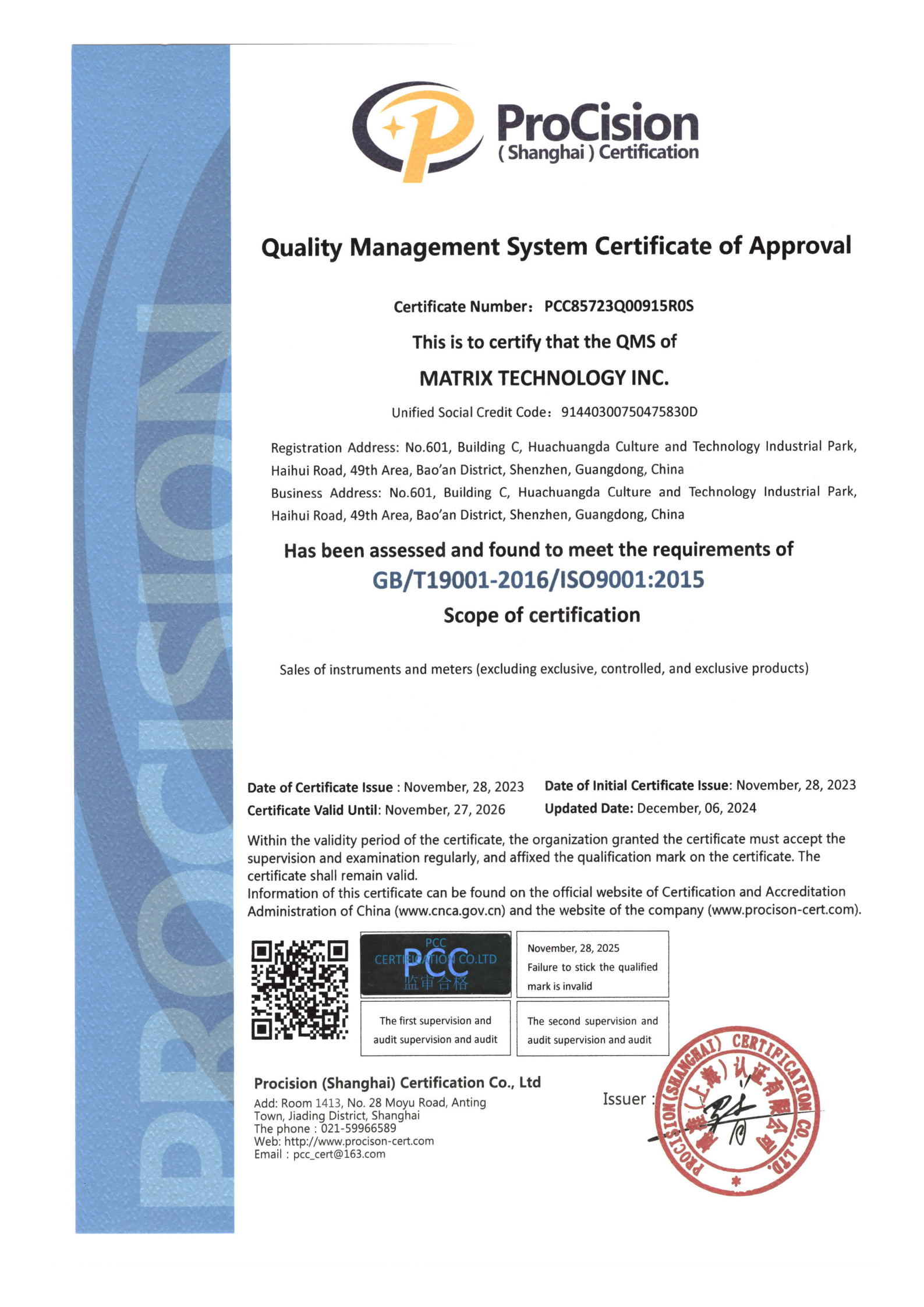
ISO 9001 Certificate
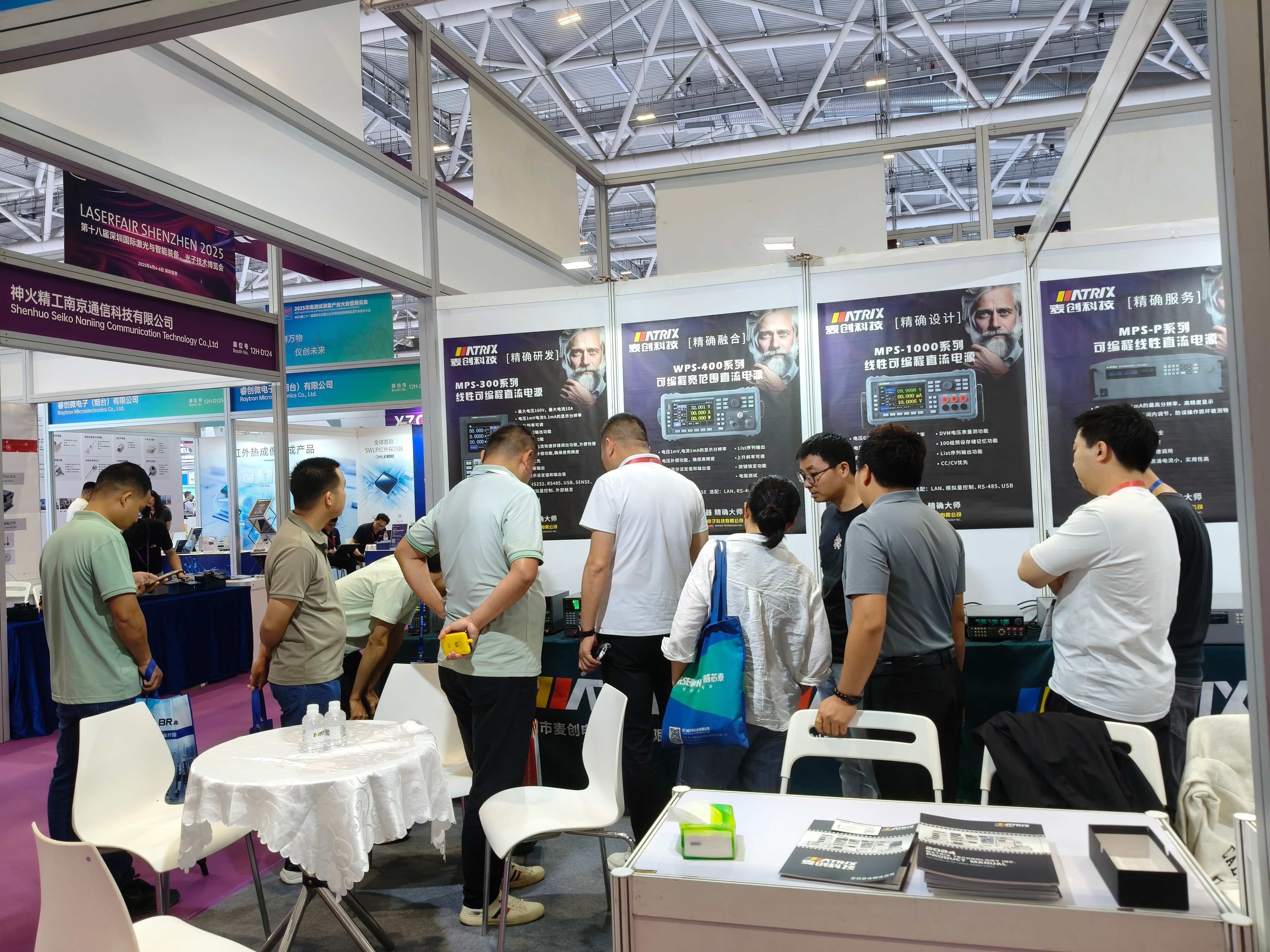
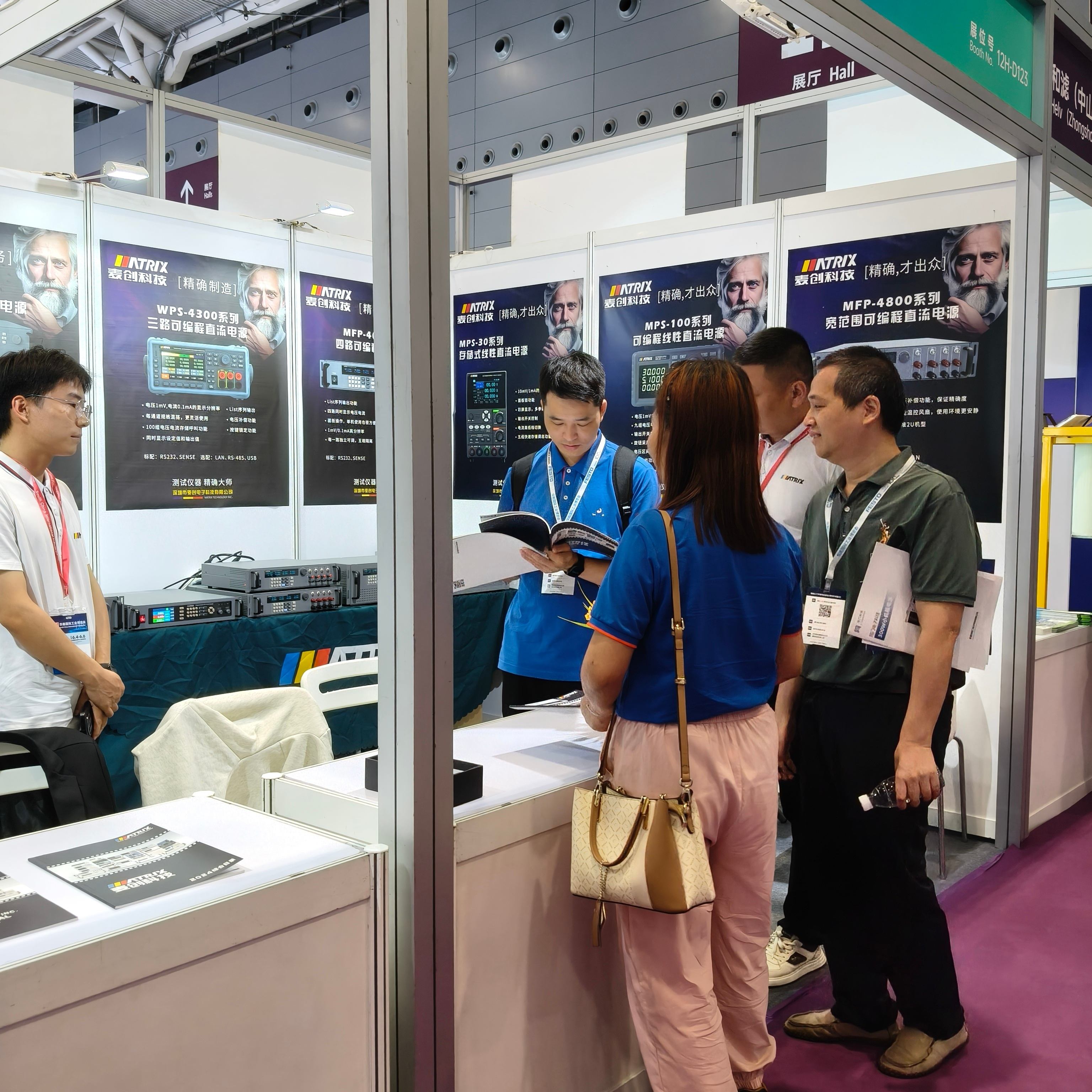
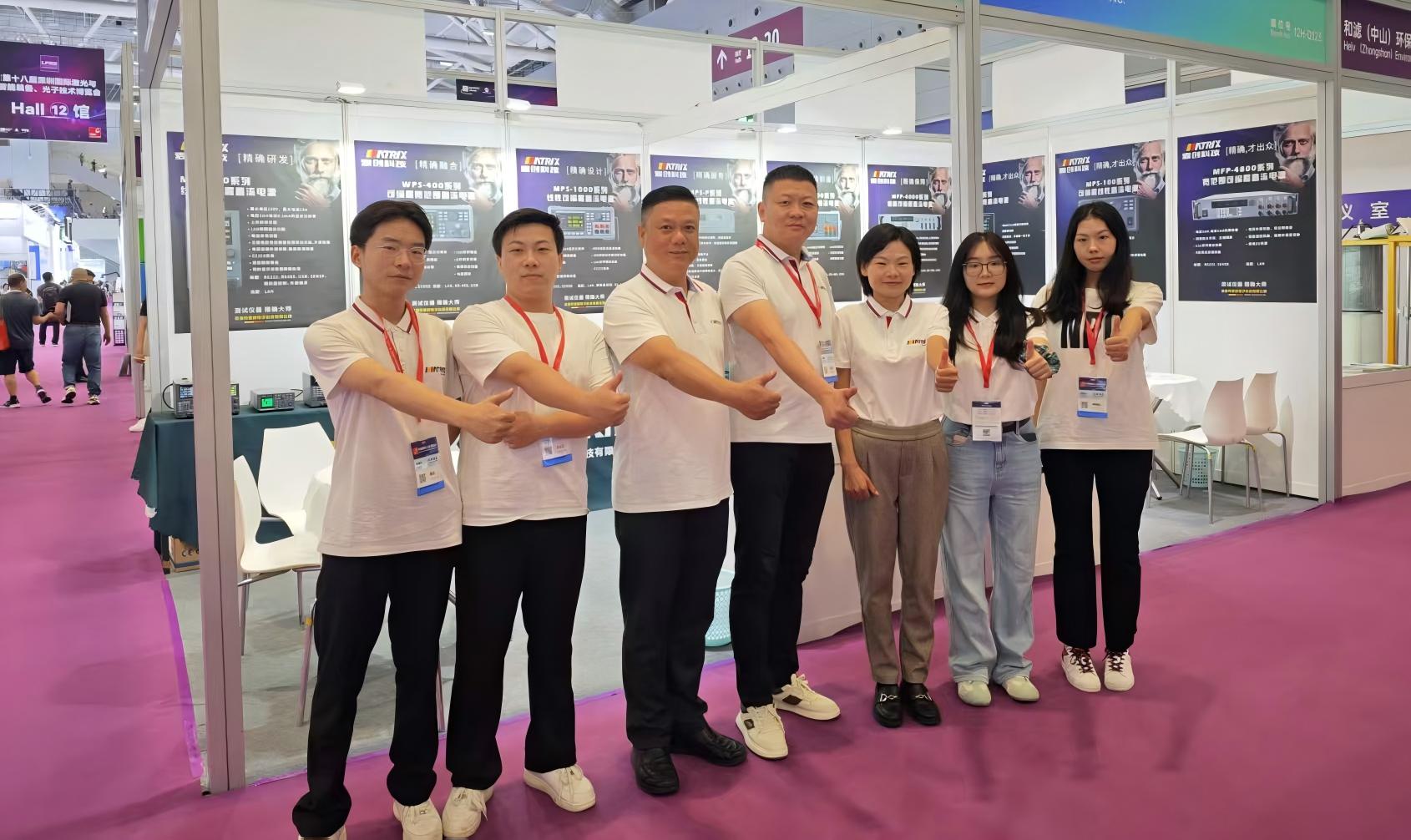
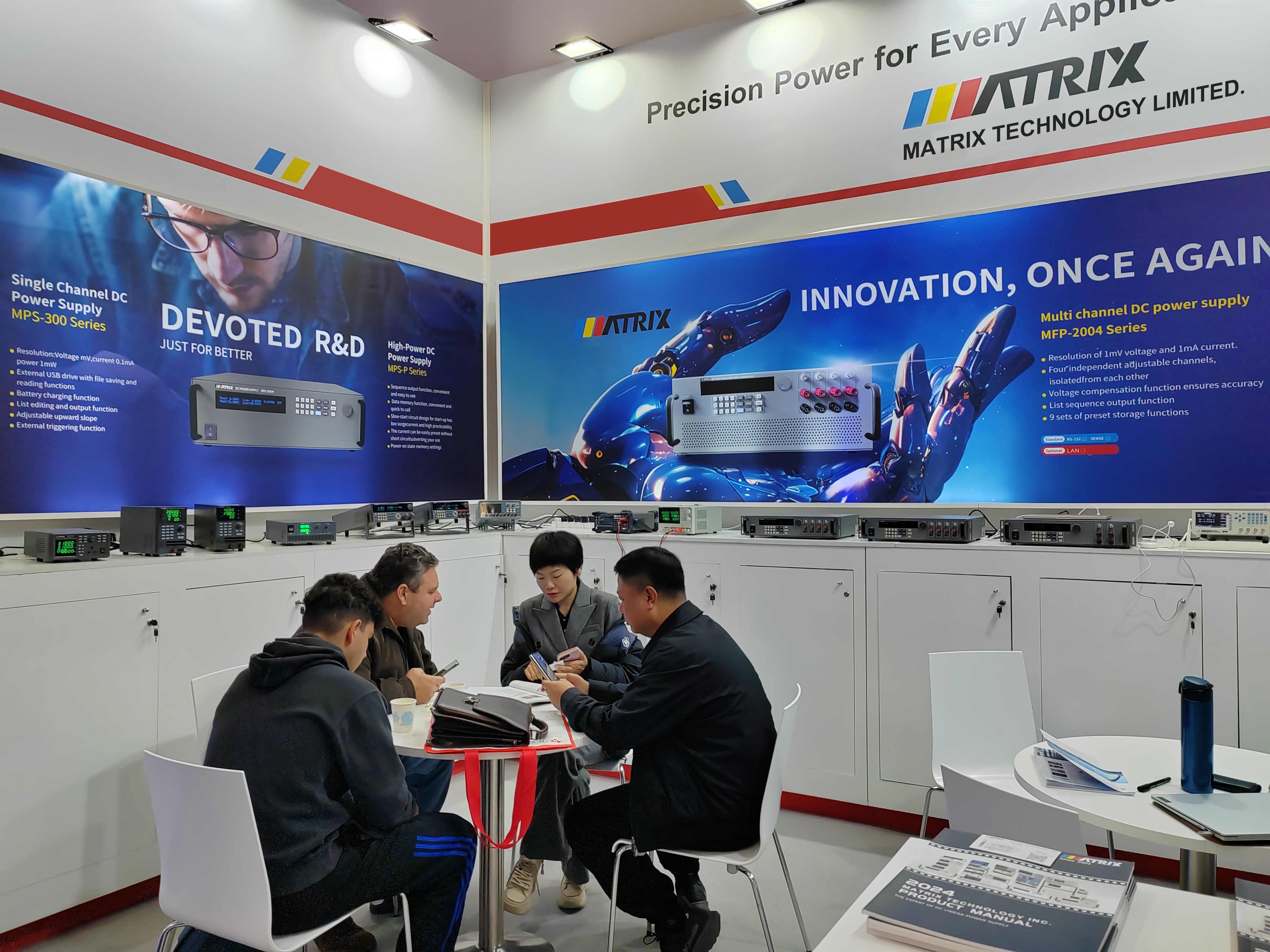
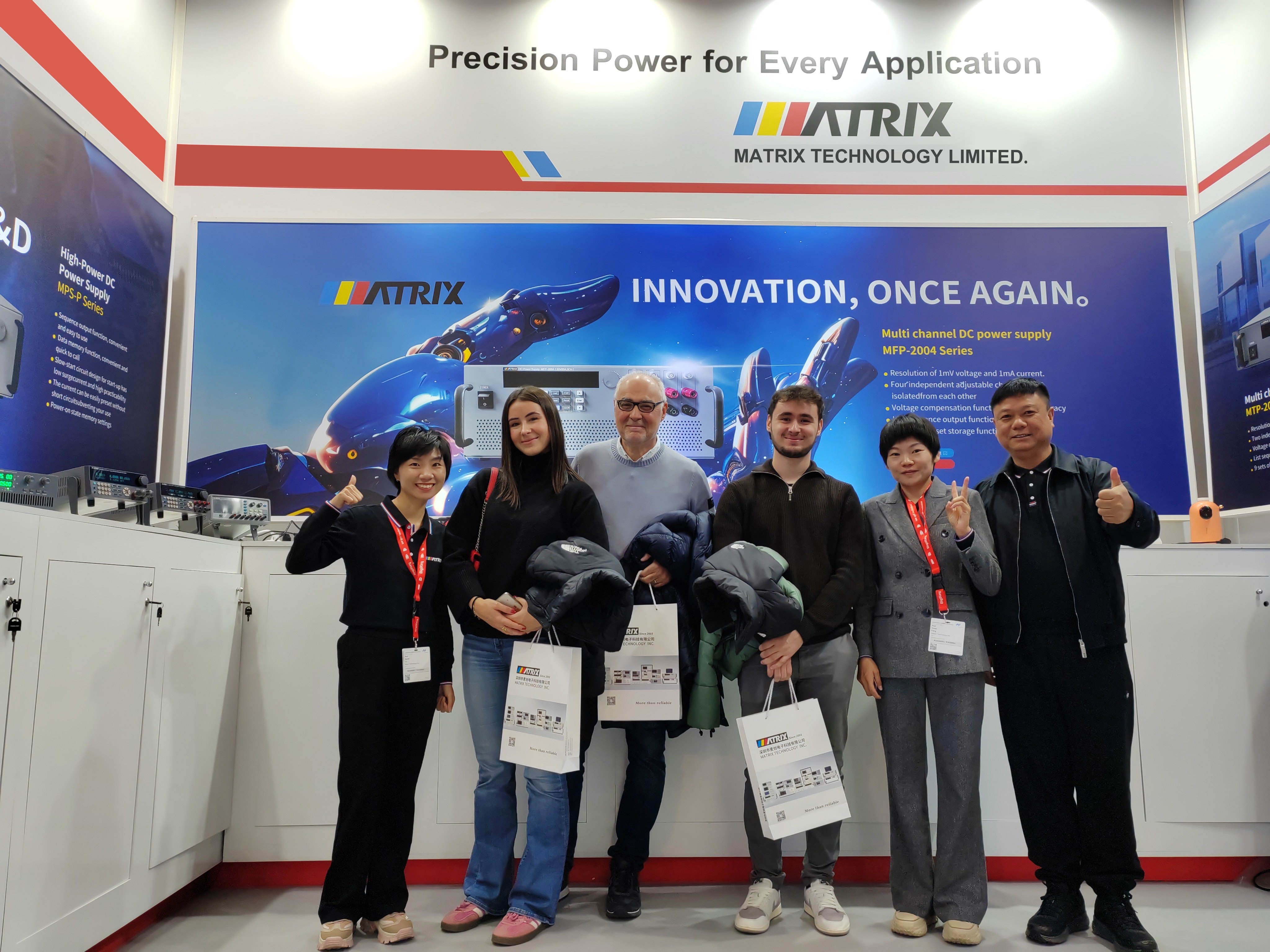
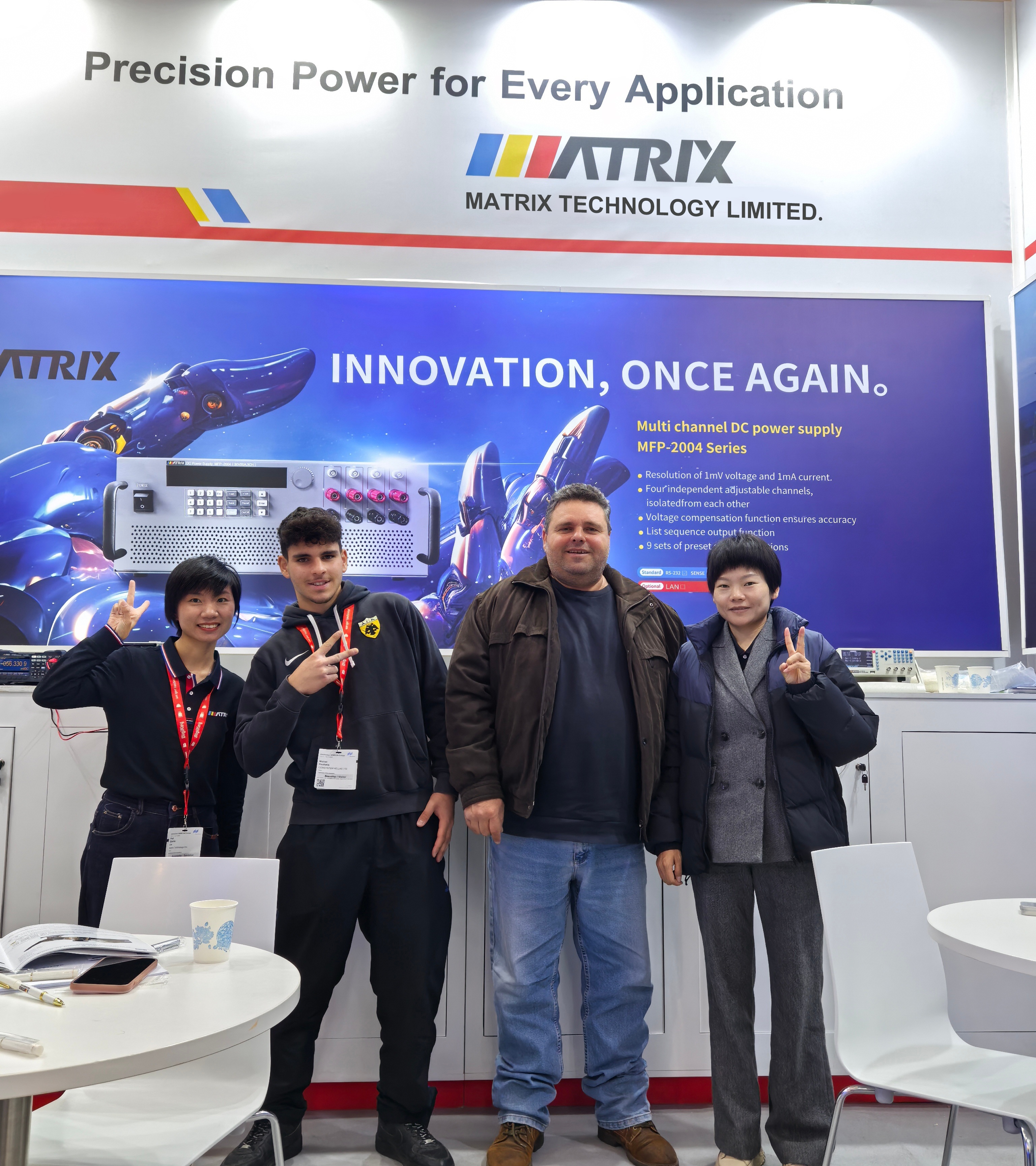
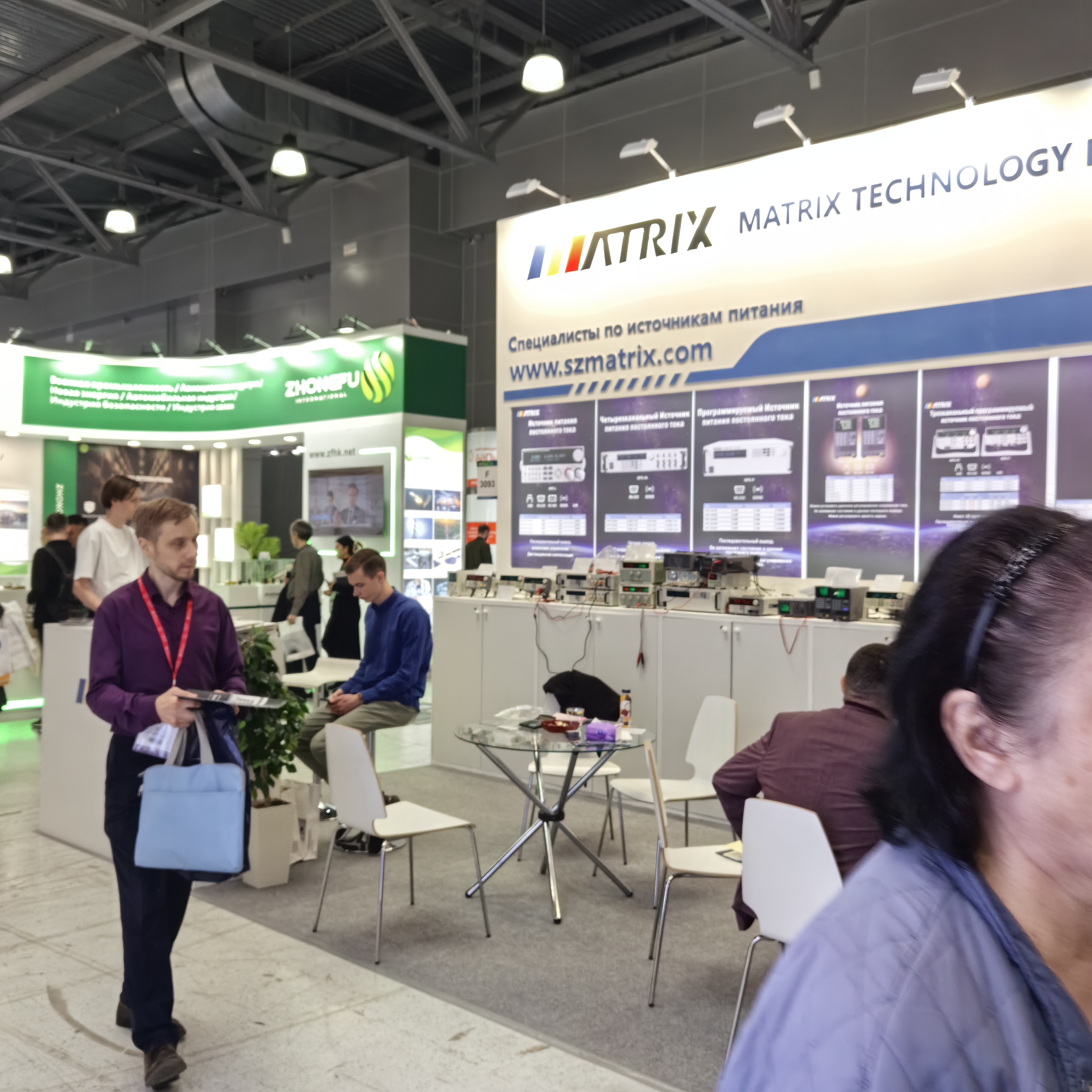
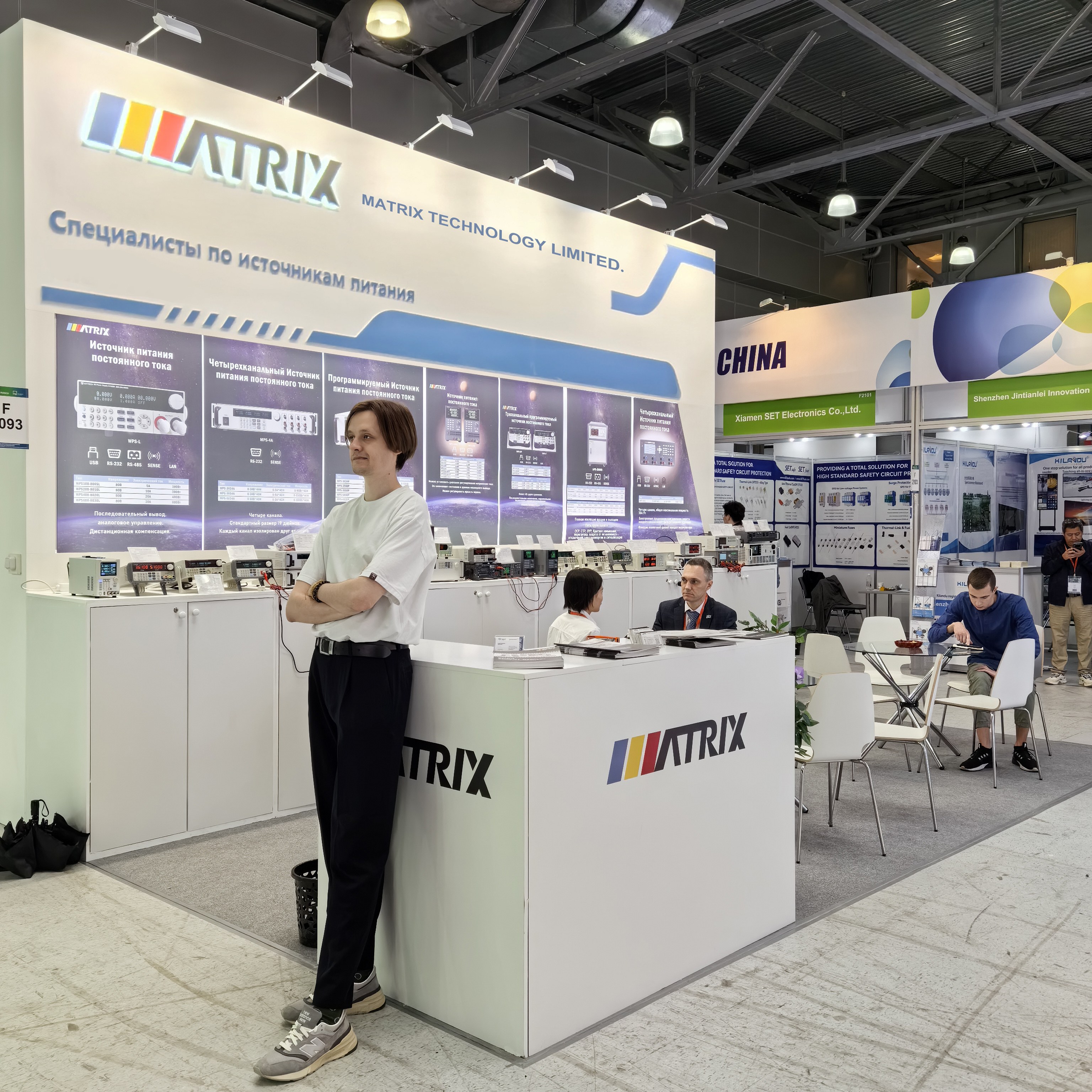
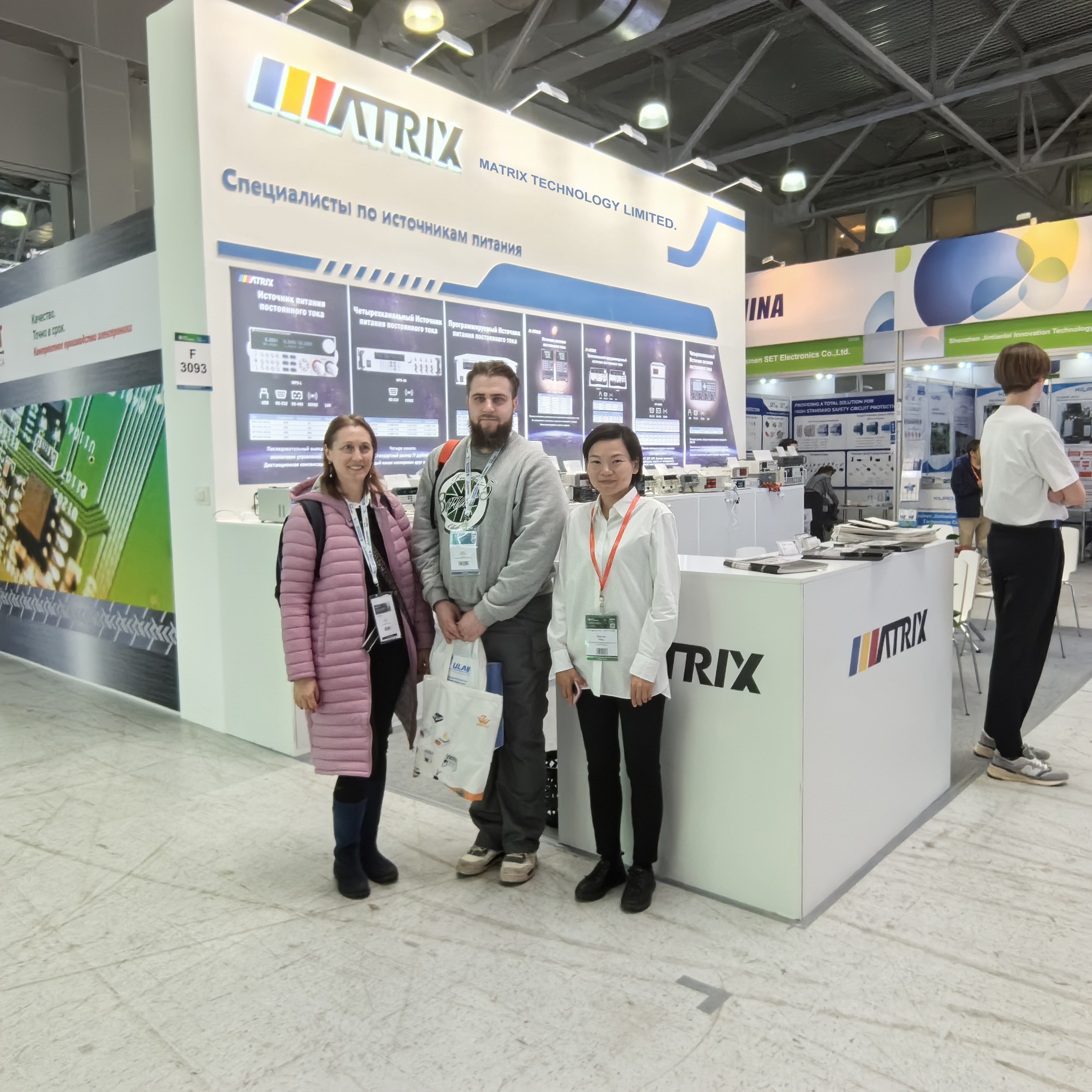
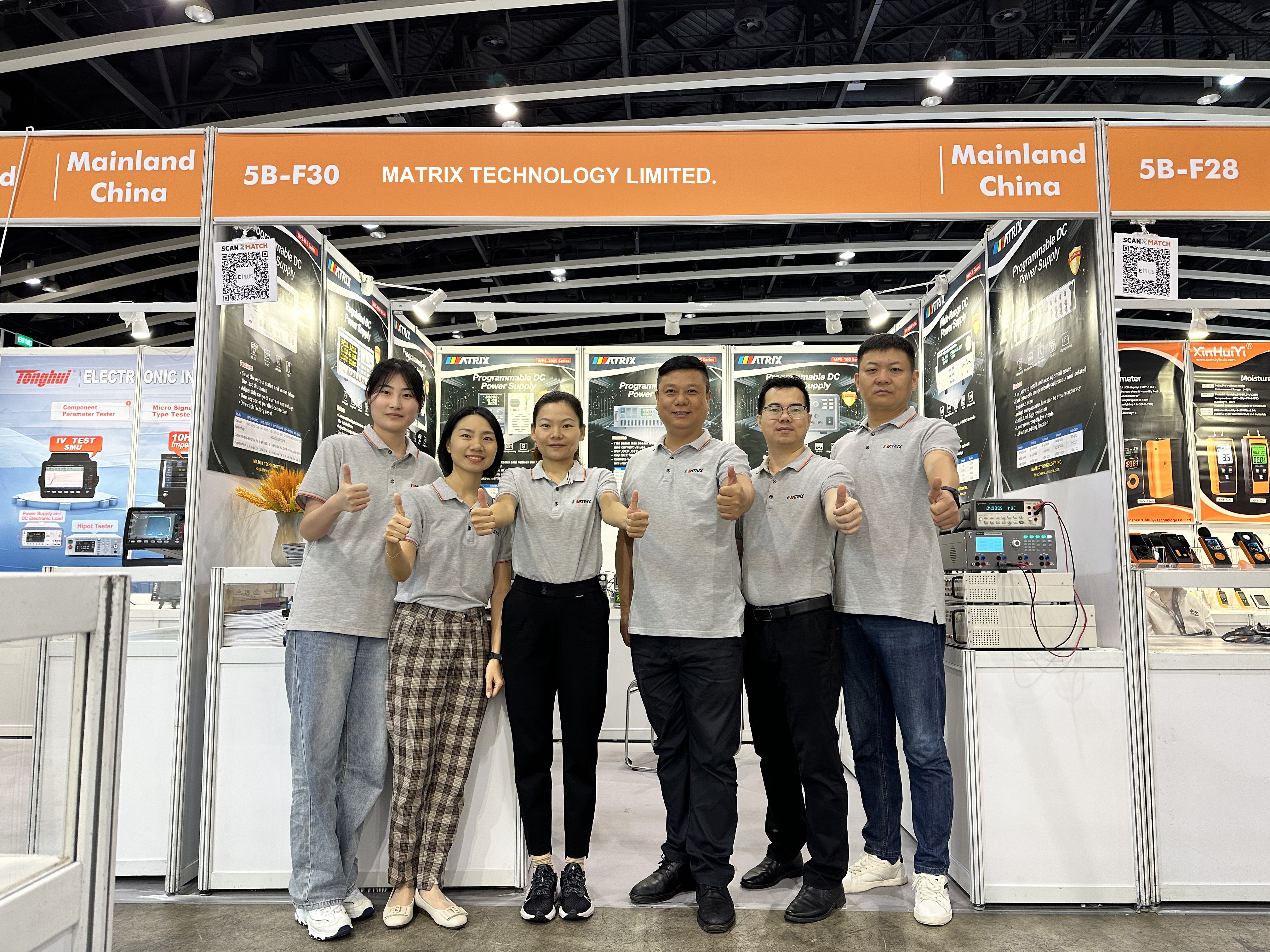
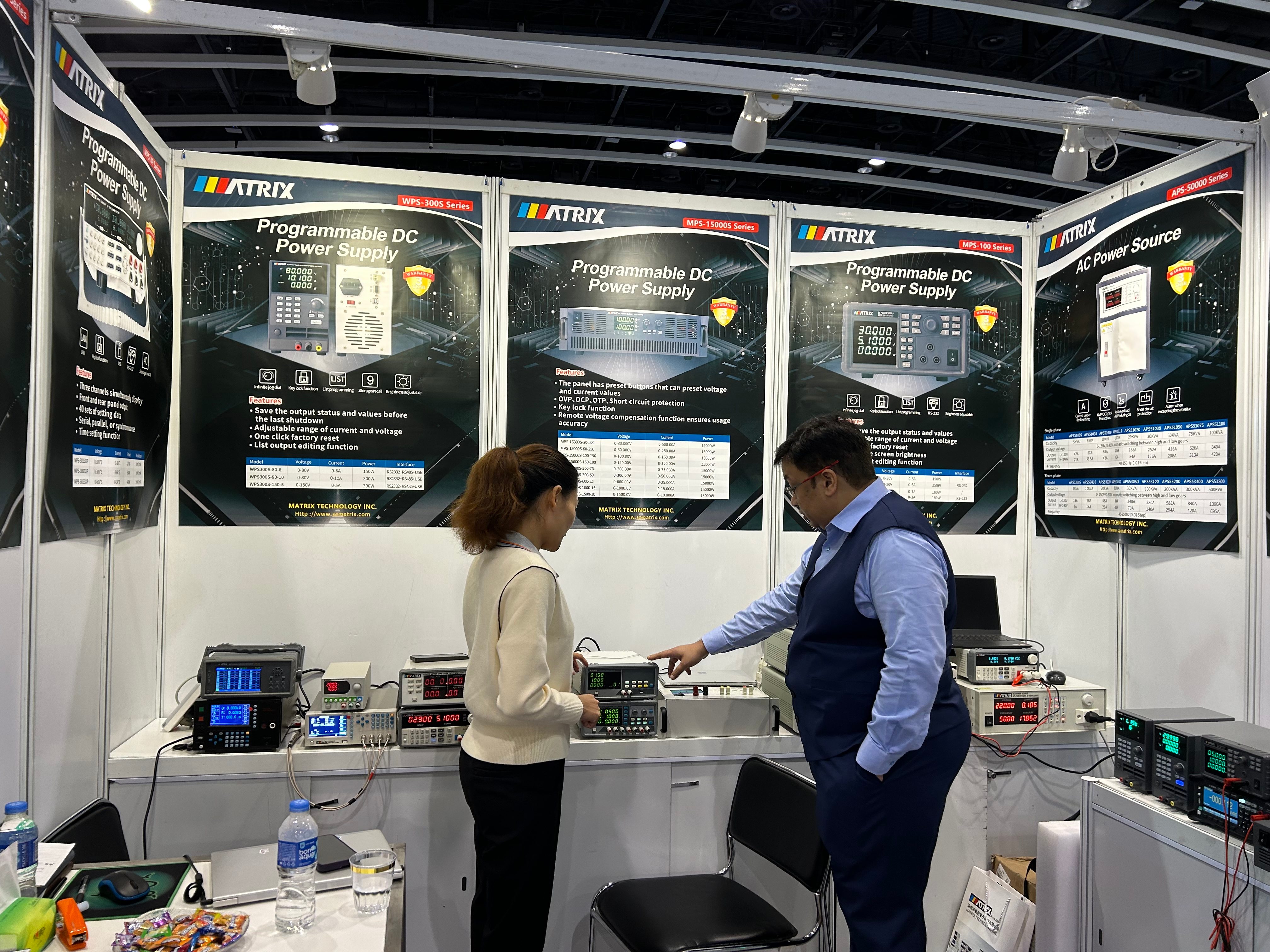
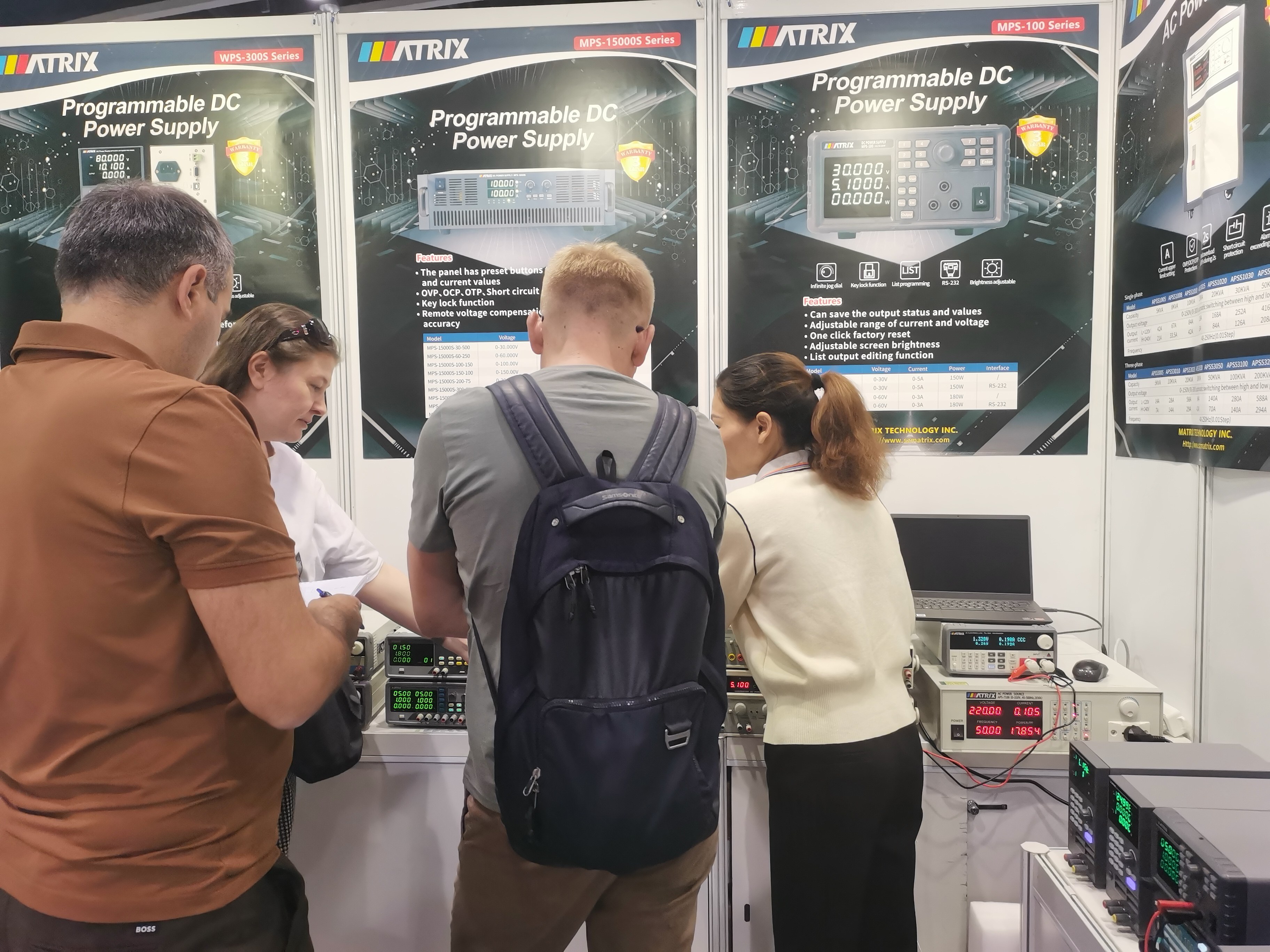
Exhibitions & Industry Forums Showcase
We actively participate in international exhibitions and technical forums to share our research developments, gather feedback, and support our partners worldwide.
Technology Roadmap & Engineering Vision
How our ongoing research and development ensures long-term test performance, precision accuracy, and reliability.
Ultra-High Power Density Designs
As laboratory and factory floor space becomes increasingly valuable, our engineering focus centers on reducing footprint requirements. Future developments aim to deliver high-capacity power capabilities in compact form factors through improved thermal management and high-frequency switching Topologies.
Predictive Self-Diagnostics & IoT Integration
Integrating cloud connectivity and on-board digital telemetry enables predictive maintenance indicators. Users will receive warnings on fan lifecycle degradation, relay cycles, and drift offsets, preventing critical failures during long-term burn-in tests.
Regenerative Energy Recovery Systems
Traditional load banks convert all absorbed power into waste heat. Our ongoing developmental projects focus on expanding high-efficiency regenerative systems that return up to 95% of absorbed energy back to the local AC utility grid, helping facilities significantly reduce operational and cooling costs.
Frequently Asked Questions: B2B Procurement & Technical Analysis
Clear, expert insights to help guide your purchasing decisions and clarify operational parameters.
What are the main differences between Linear and Switching DC power supplies?
Linear power supplies deliver exceptionally low ripple noise and fast transient recovery, making them ideal for high-precision laboratory testing and sensitive RF measurements. Switching power supplies offer much higher power density, higher efficiency, and a more compact design, making them the preferred choice for high-power industrial applications.
How do the Constant Current (CC) and Constant Voltage (CV) modes coordinate?
In CV mode, the supply maintains a constant voltage output while the load determines the current. In CC mode, the device limits the output current to a preset threshold, adjusting the voltage dynamically. Transitioning between these modes occurs automatically at the cross-over point defined by the load impedance.
What is "LIST Mode" programming, and how does it optimize test automation?
LIST mode allows users to pre-program a sequence of voltage, current, and dwell time steps directly into the instrument's memory. This configuration enables the unit to execute complex wave output profiles without requiring real-time commands from an external PC, speeding up automation loops.
Can these power supplies be configured in series or parallel for higher output?
Yes. Many models support parallel configurations to increase output current or series connections to scale output voltage. Refer to individual model datasheets for specific configuration options, wiring guidelines, and control bus settings.
How is product calibration handled to maintain accuracy?
We recommend calibrating your equipment once a year. The internal control software supports digital calibration via remote interfaces, eliminating the need to adjust physical potentiometers and minimizing maintenance downtime.
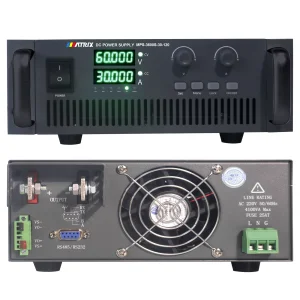
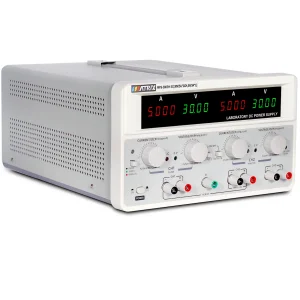
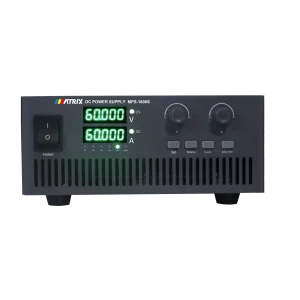
Industrial & Laboratory Programmable Power Supplies
High-performance systems designed to meet industrial compliance testing, laboratory research, and clean power requirements.