Advanced Component Testing & Bench Instruments
High-stability programmable power and evaluation systems essential for precision LCR sweeps and multi-frequency bias testing configurations.
Global Procurement Demands for Modern LCR Metrology
Analyzing how smart factories, automotive electronics OEMs, and research institutes select precision measurement instrumentation to enforce manufacturing reliability.
Frequency Ranges & Impedance Precision
Contemporary passive component characterization requires dynamic sweeps extending from 10 Hz up to 100 MHz. Procurement managers prioritize suppliers who guarantee low basic accuracy tolerances (typically <0.05%) to minimize calibration drifts in sub-picoFarad ranges.
System Scalability & Automated Testing
In high-throughput fabrication lines, LCR meters must integrate seamlessly with handler interfaces (such as Handler/Binning) and GPIB, LAN, or USB interfaces. Industrial buyers look for instruments that support rapid trigger execution speeds (<10ms) and comprehensive sweep lists.
Synchronous Power Integration
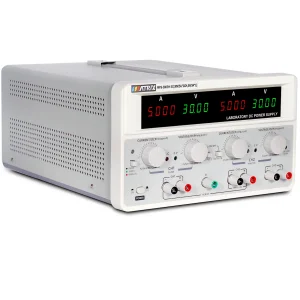
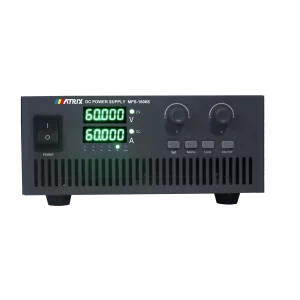
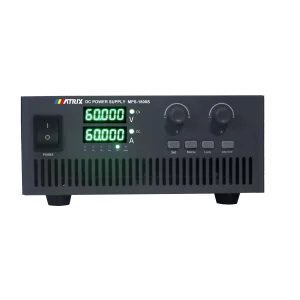
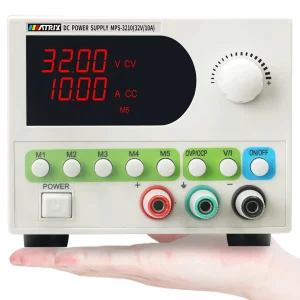
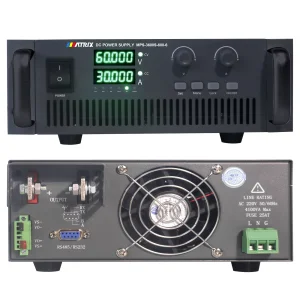
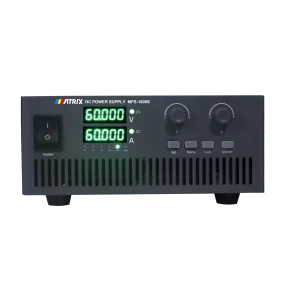
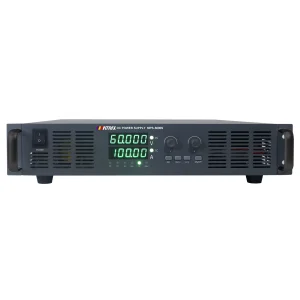
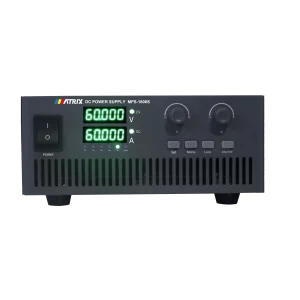
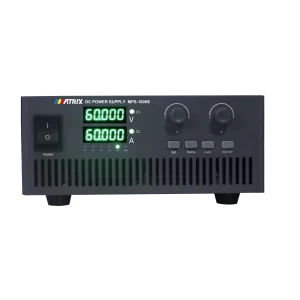
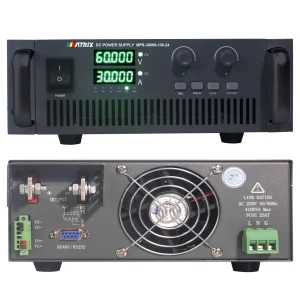
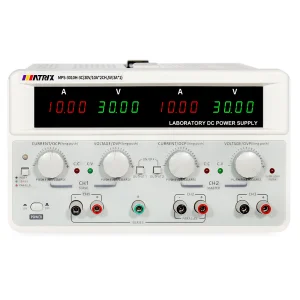
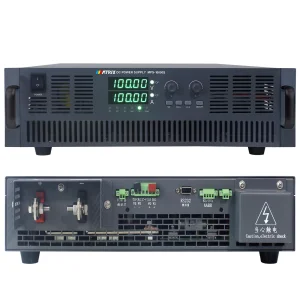
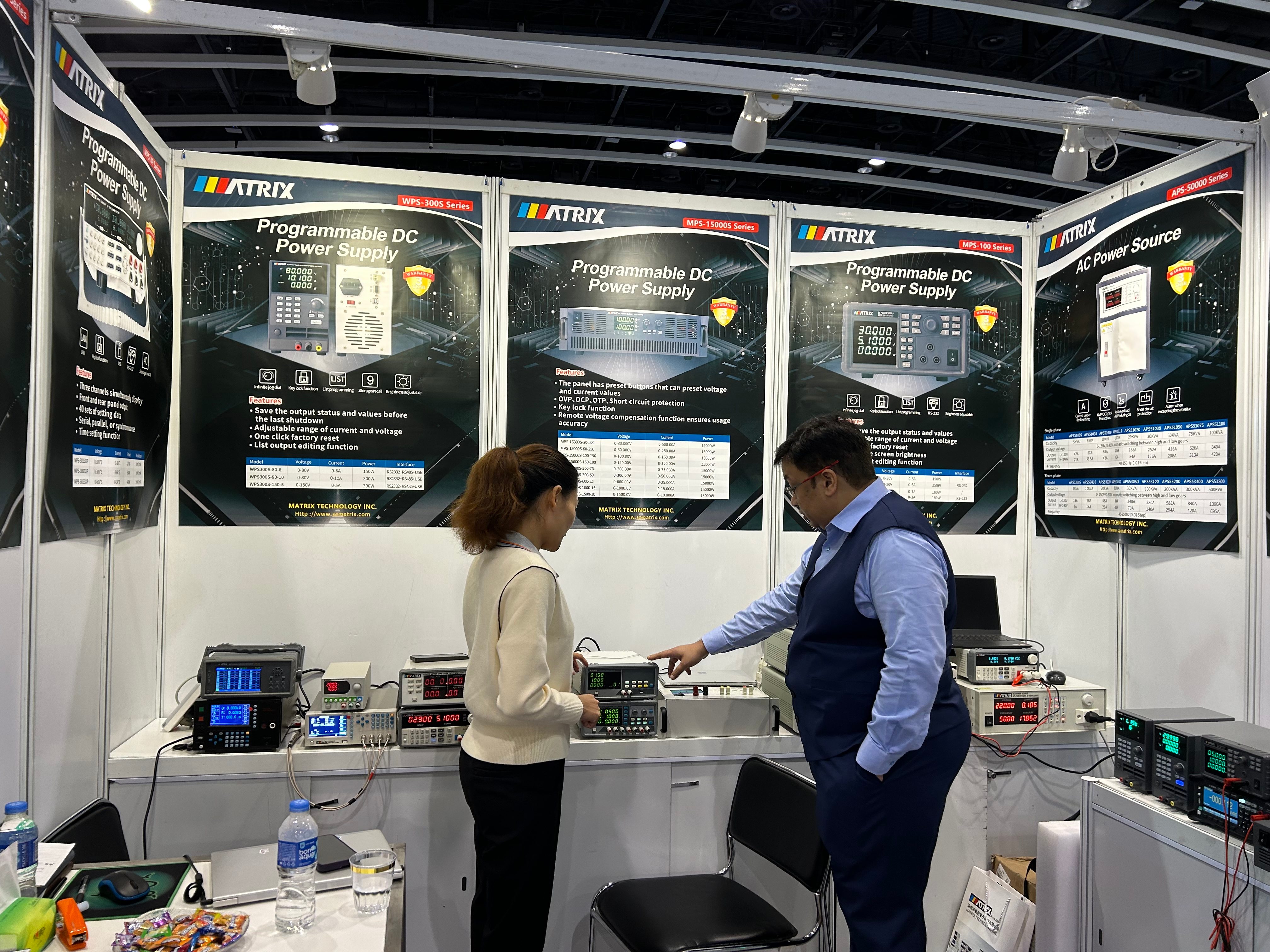
Passive components perform differently under live operating conditions. Modern test setups utilize a highly stable programmable DC bias source in tandem with LCR meters to measure bias current behavior. Guangzhou Matrix Power systems provide the rugged, programmable DC control required to drive these high-accuracy test environments.
Metrological Foundations & Technological Roadmap
A comprehensive technical breakdown of impedance extraction methods, error compensation algorithms, and future design trends.
Understanding Impedance Vector Analysis
Impedance (Z) is a complex quantity representing the total opposition to alternating current. It consists of a real part (Resistance, R) and an imaginary part (Reactance, X), mathematically defined as Z = R + jX. An LCR Meter functions by measuring the vector ratio of voltage across the Device Under Test (DUT) to the current flowing through it. Advanced digital LCR bridges utilize Phase-Sensitive Detection (PSD) to dissect the measured voltage and current vectors into real and imaginary components, accurately outputting parameters such as inductance (L), capacitance (C), resistance (R), quality factor (Q), and dissipation factor (D).
The Critical Role of Test Signal Levels and DC Bias
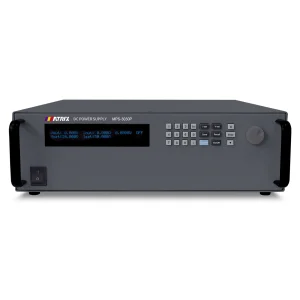
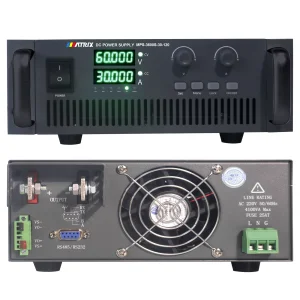
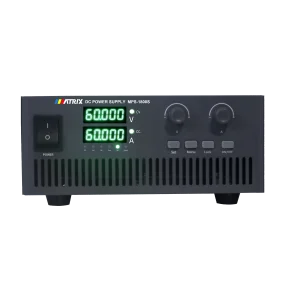
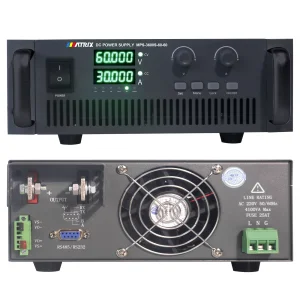
Real-world magnetic cores and dielectric structures exhibit non-linear permeability and permittivity. For instance, MLCCs (Multi-layer Ceramic Capacitors) are voltage-dependent, while ferrites are highly sensitive to magnetizing currents. A high-tier industrial test rig must apply precise AC drive levels (ranging from 10 mV to 2 Vrms) and support substantial DC bias voltage/current. By integrating high-power programmable DC power sources—such as the Matrix 1800W or 3600W digital DC systems—test engineers can overlay stable DC biases to mimic real-world load currents, ensuring parameters do not fail under intense operational stress.
Metrology Evolution: The Vector Bridge Technique
Historically, basic LCR bridges relied on manually balancing mechanical resistance and capacitance networks. Today, modern architectures deploy the Auto-Balancing Bridge (ABB) method for frequencies below 100 MHz, maintaining a virtual ground at the low terminal of the DUT to isolate stray capacitances. For radio frequencies (RF) exceeding 100 MHz, the RF I-V Method or network reflection coefficient analysis is used. These methods ensure micro-level impedance resolution, crucial for validating state-of-the-art semiconductor packages and automotive chips.
Future Technology Roadmap: IoT & Intelligent Self-Calibration
The roadmap for professional LCR metrology involves three key trends: Miniaturization, Multi-channel Expansion, and Built-In Edge Intelligence. Modern semiconductor characterization setups require parallel multichannel test bays to accommodate wafer-level probing systems. Additionally, automatic calibration compensation algorithms (such as Open/Short/Load correction) are shifting from basic static values to dynamic, AI-driven models. These neural networks monitor environmental temperature drifts and trace compensation parameters directly to national laboratory standards, providing unmatched E-E-A-T credentials for manufacturers.
Macro Industry Solutions & Test Infrastructures
How high-accuracy measurement instruments configure with programmable DC/AC power systems across global supply chains.
Automotive Power Trains & EV Components
High-voltage battery packs, onboard chargers (OBC), and dynamic traction inverters require magnetic elements to operate under extreme currents. High-accuracy measurement systems, backed by programmable switching DC sources, ensure that power inductors and filtering capacitors are tested at high frequencies and continuous thermal loads.
Renewable Energy Storage Metrology
Solar inverters and battery energy storage systems (BESS) require electrochemical impedance analysis (EIS) to determine state-of-health (SoH). High-precision LCR instrumentation and linear power sources work together to deliver micro-ohm resolution measurements without introducing noise.
Aerospace & Defense Quality Assurance
For military-grade assemblies, passive components must be characterized at extreme temperatures. Metrologists run long-term environmental sweeps, requiring continuous LCR testing alongside rugged power cabinets that supply filtered, ripple-free voltages.
E-E-A-T Enterprise Profile: Guangzhou Matrix Power Technology Limited
Pioneering testing and measurement power infrastructures since 2003.
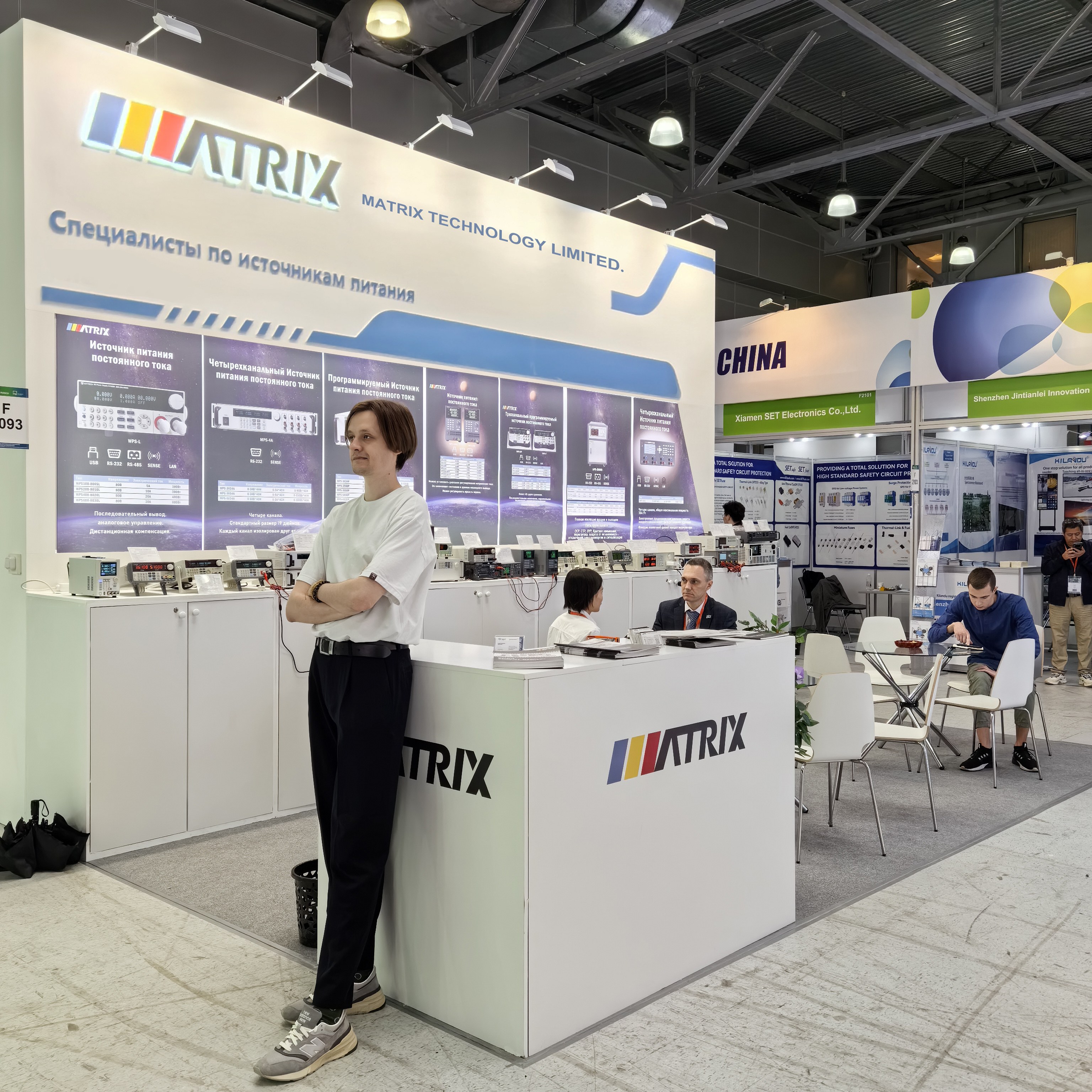
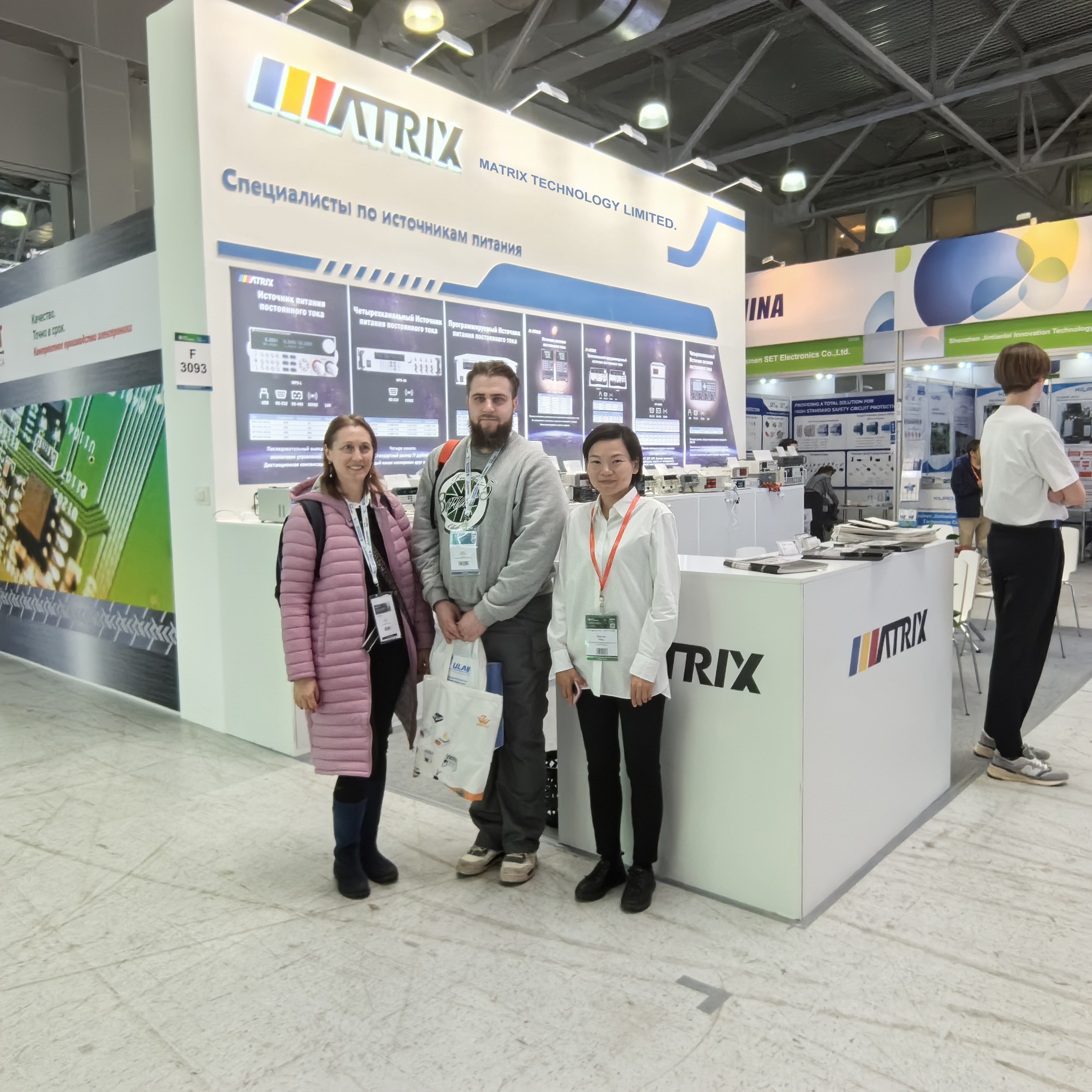
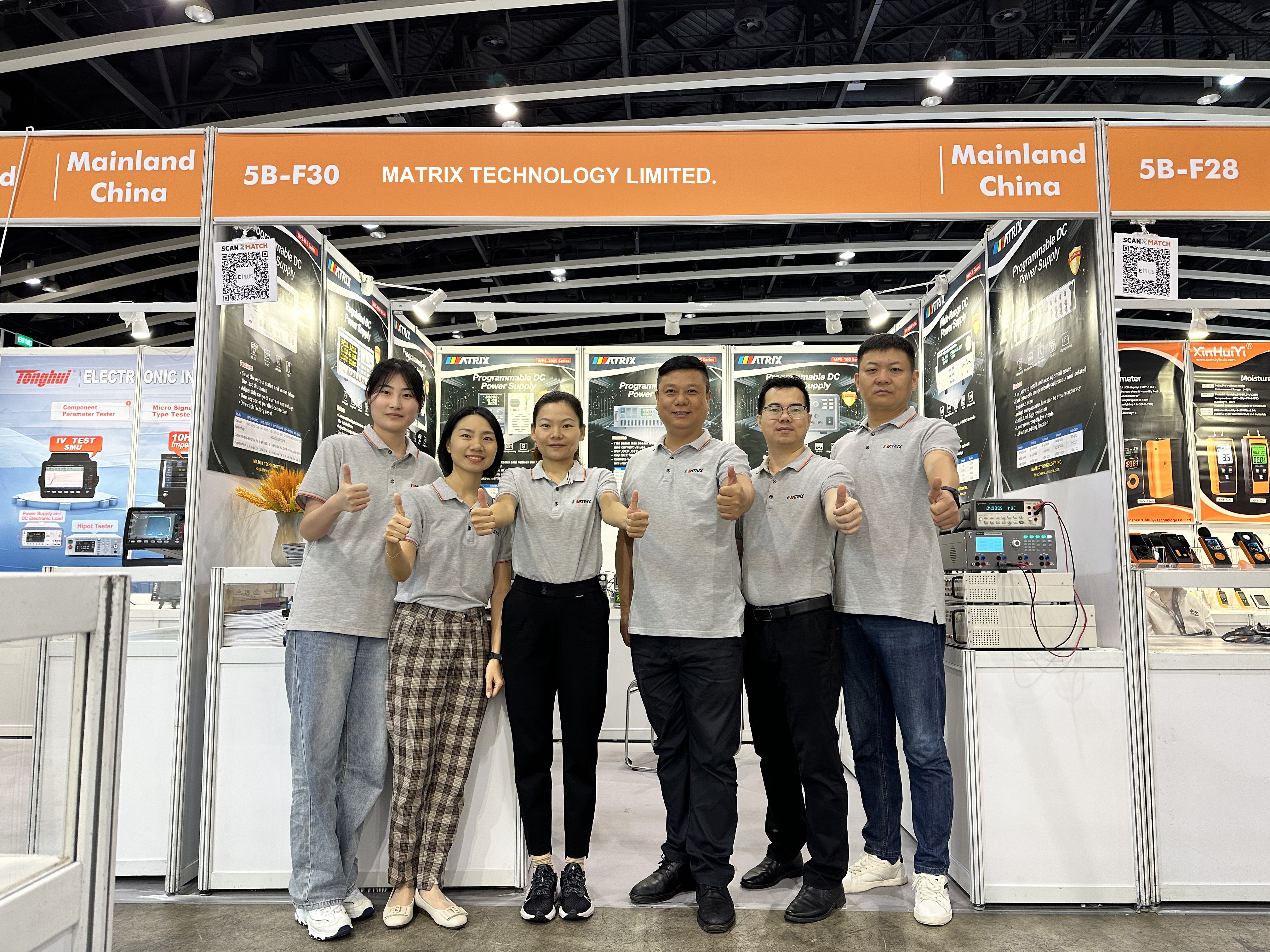
Headquartered in the technological hub of Guangzhou, China, GUANGZHOU MATRIX POWER TECHNOLOGY LIMITED was established in 2003. Over the past two decades, we have grown into an innovative enterprise specializing in the R&D, production, and global distribution of DC-regulated power supplies, AC power sources, and custom test systems.
Our instruments are vital in supporting LCR meter test setups, components validation, and industrial production lines. Currently exported to more than 80 countries and regions, our product portfolios help key labs maintain compliance, safety, and peak metrology output.
We are fully certified under the ISO9001 quality management system, CE, and RoHS standards. Our highly focused R&D team continuously updates our technologies, ensuring that global partners receive durable, reliable, and highly stable instruments.



Global Presence: Industrial Conventions & Accreditation
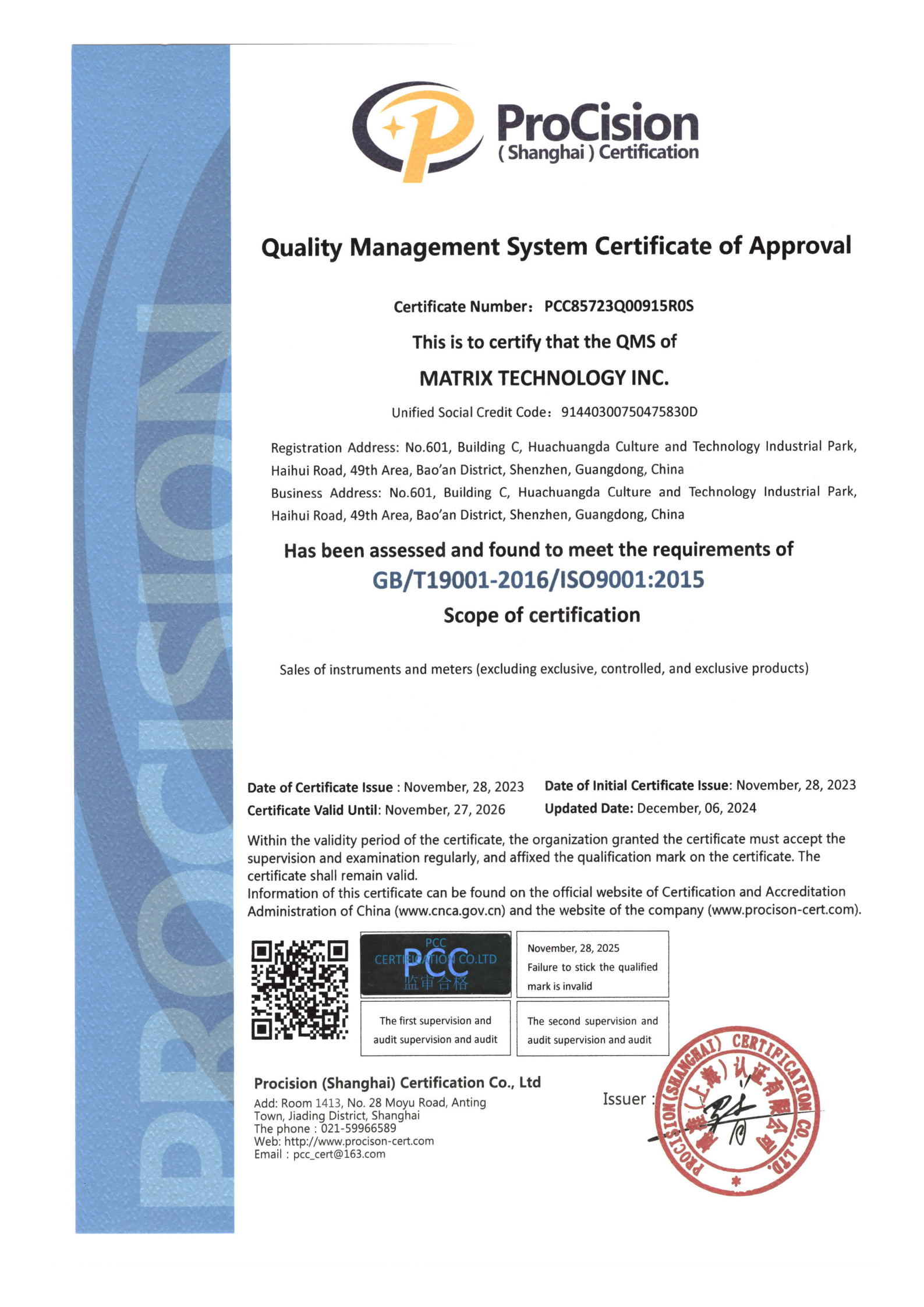
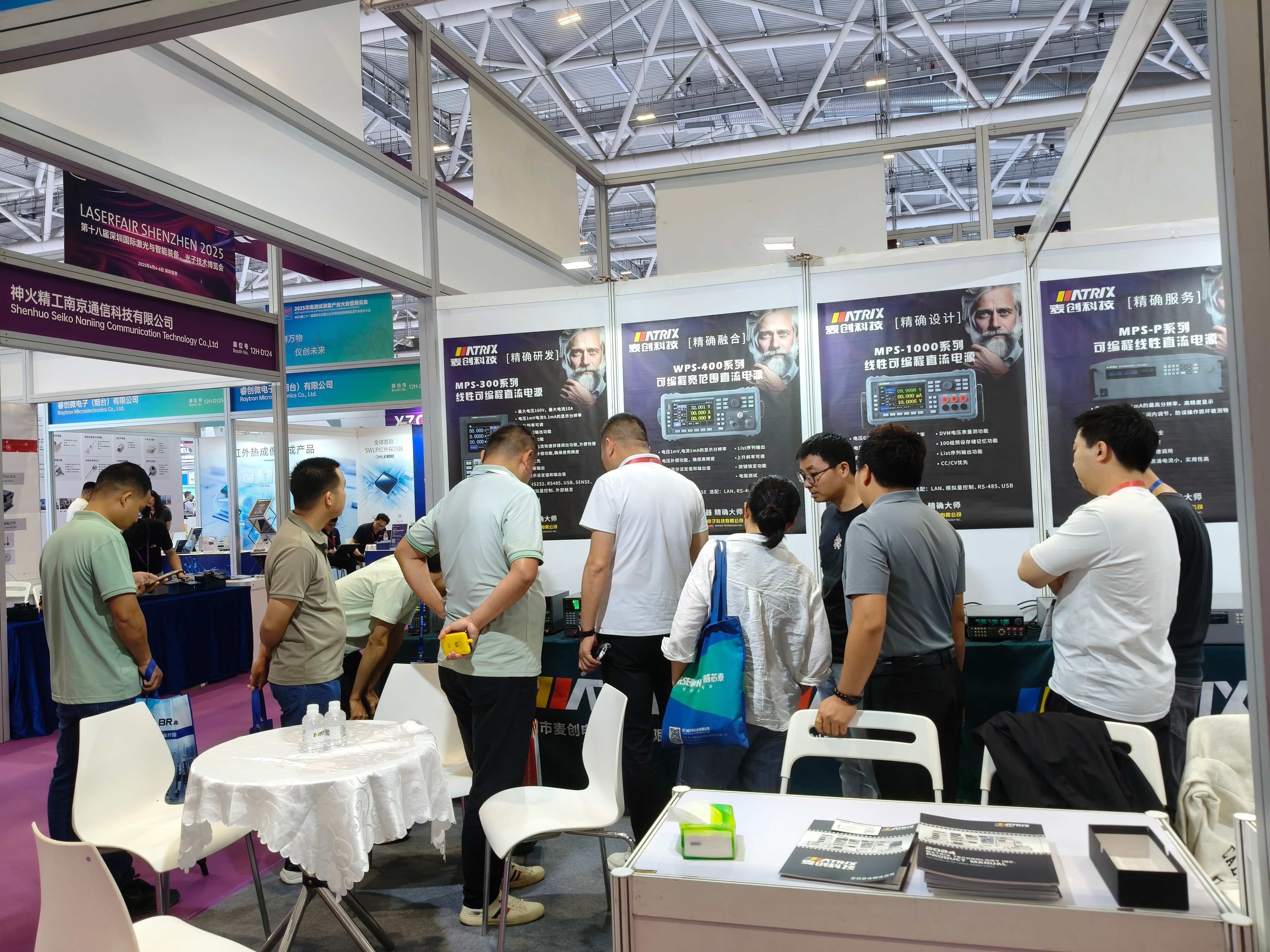
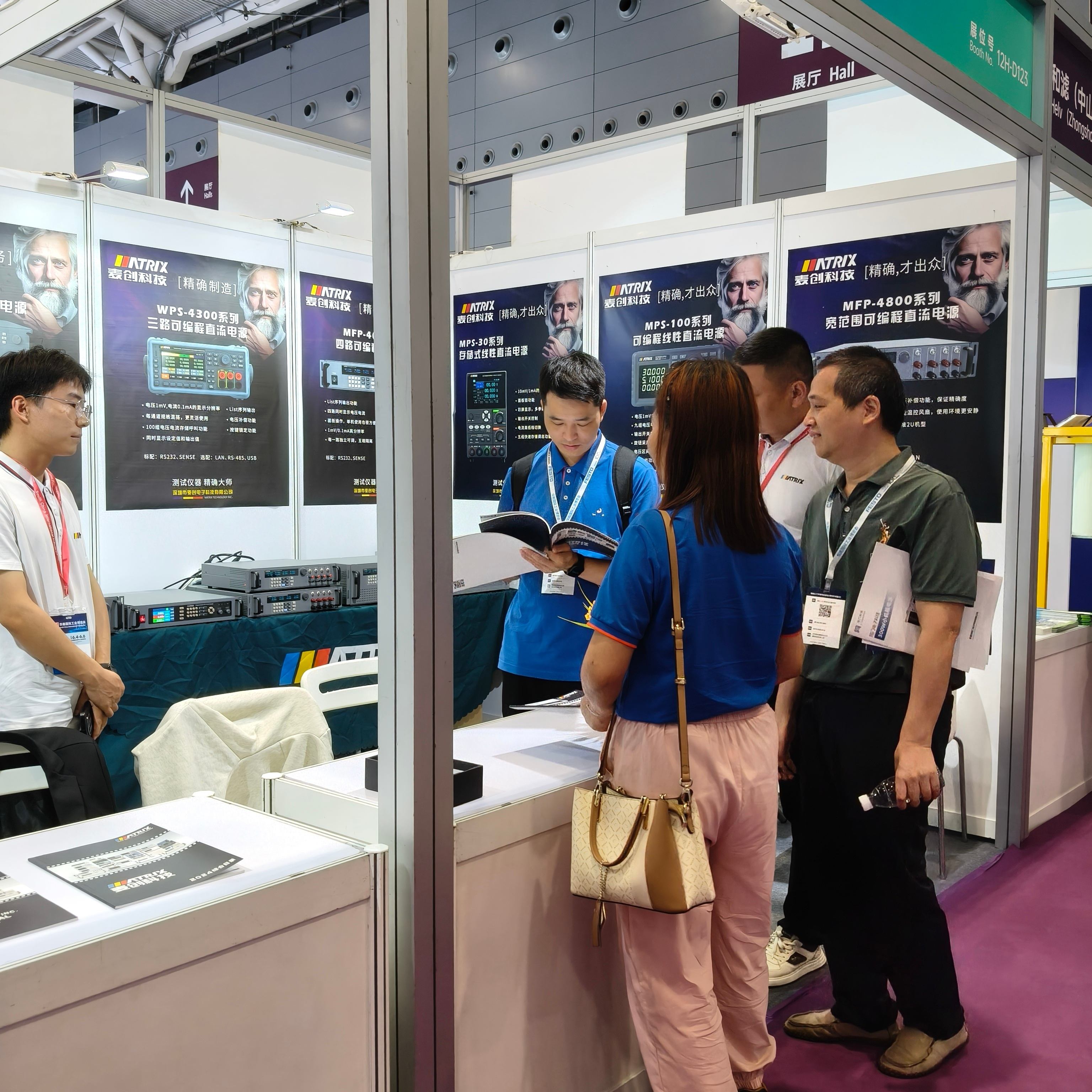
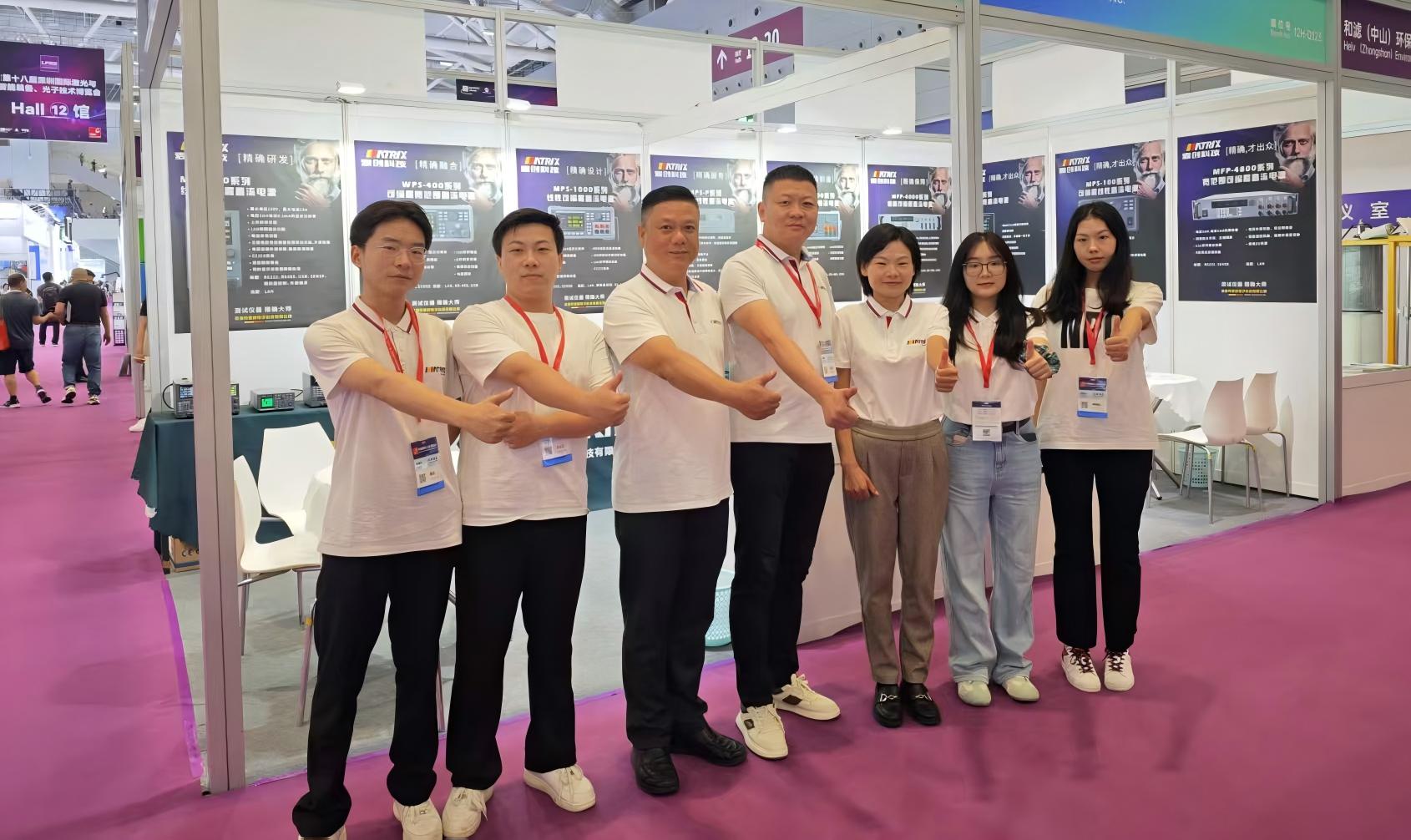
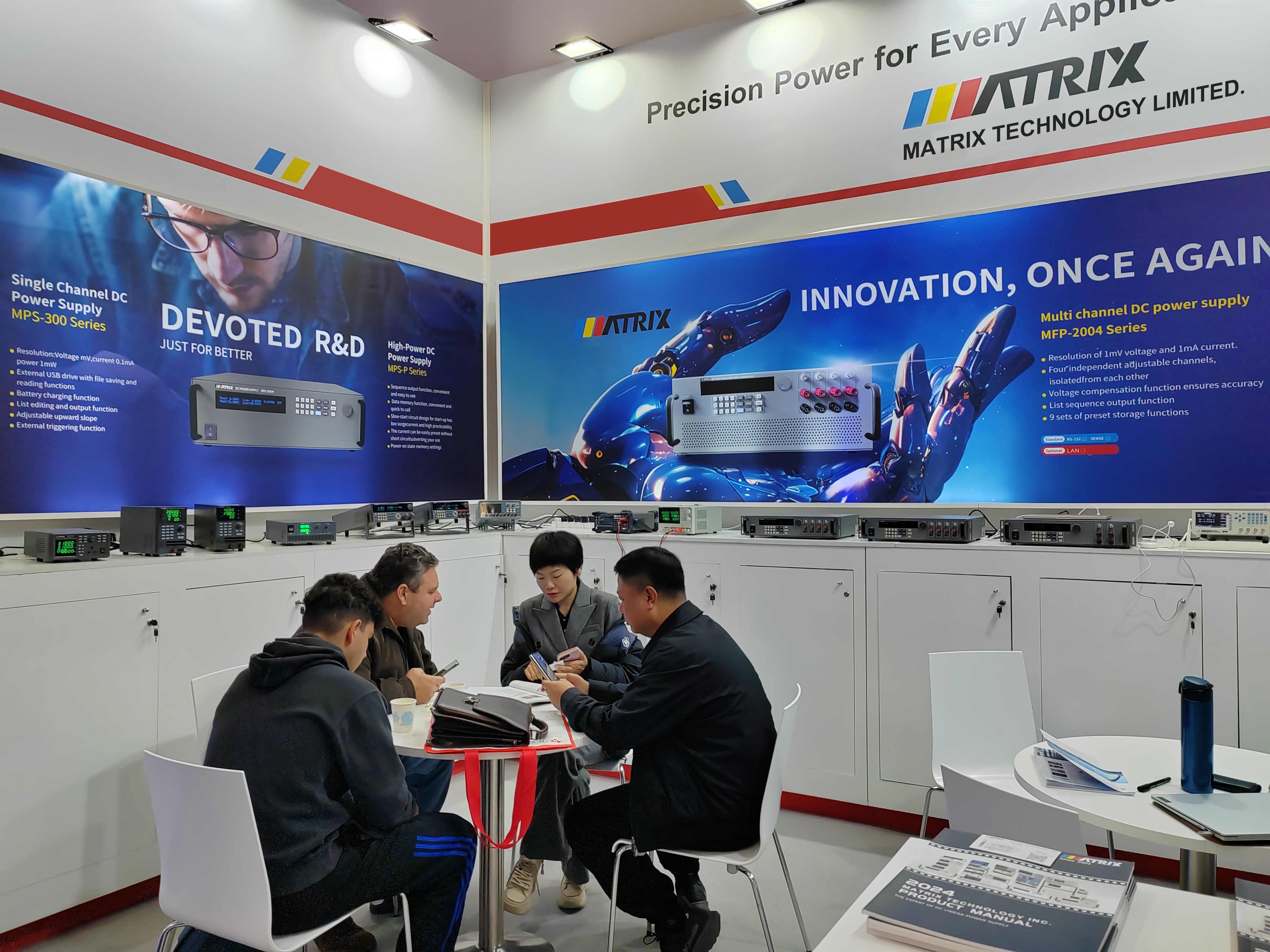
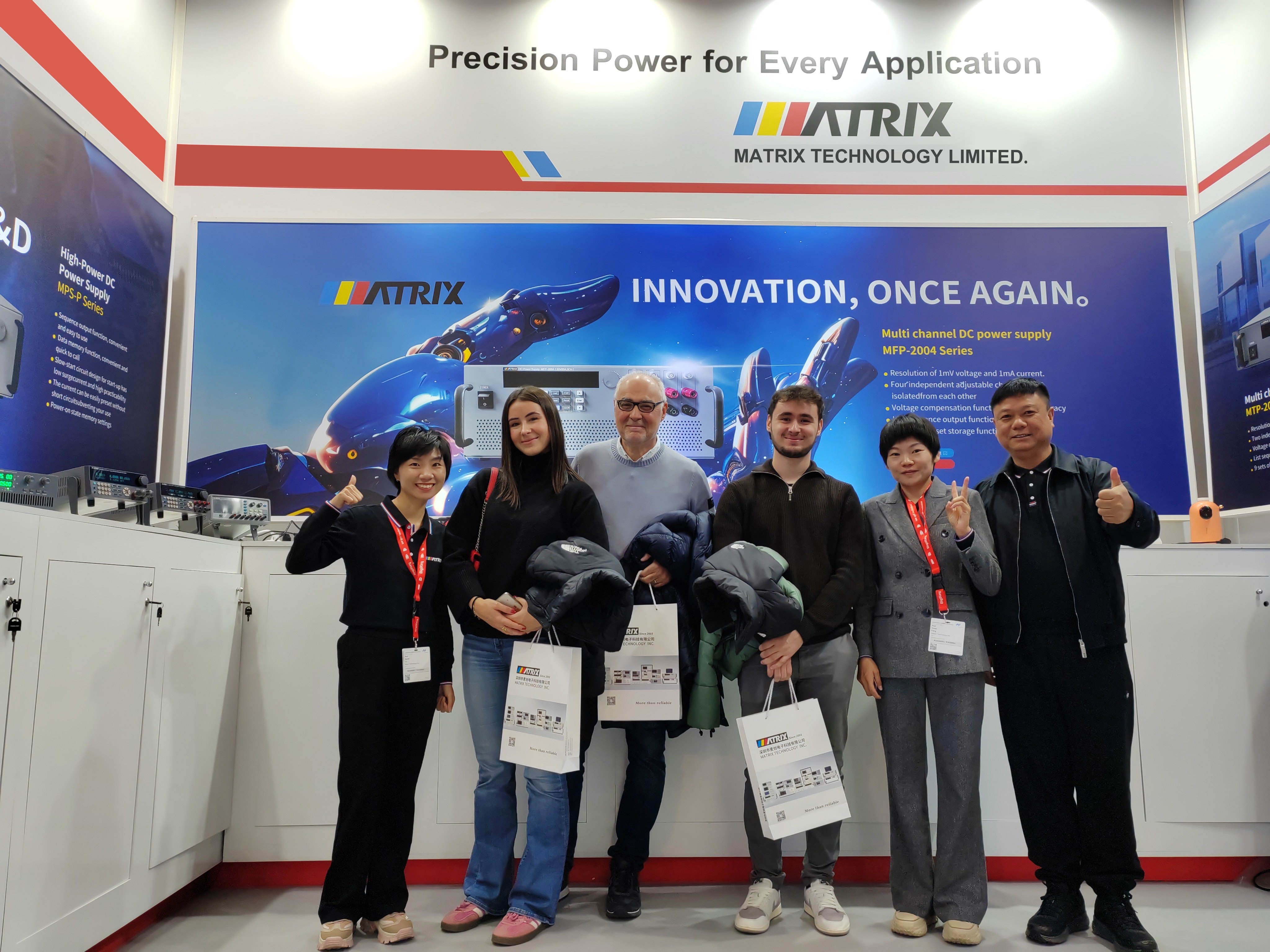
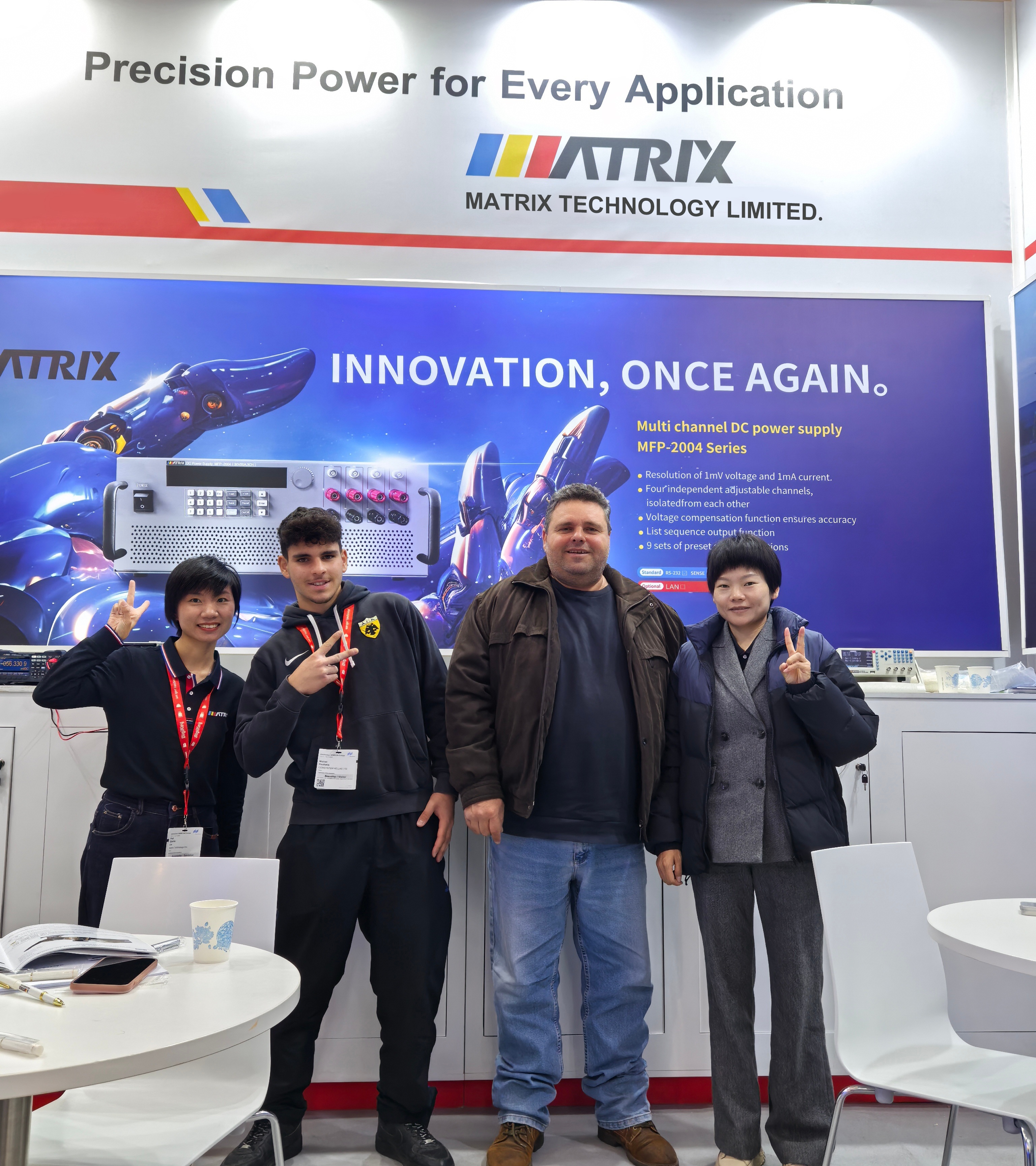
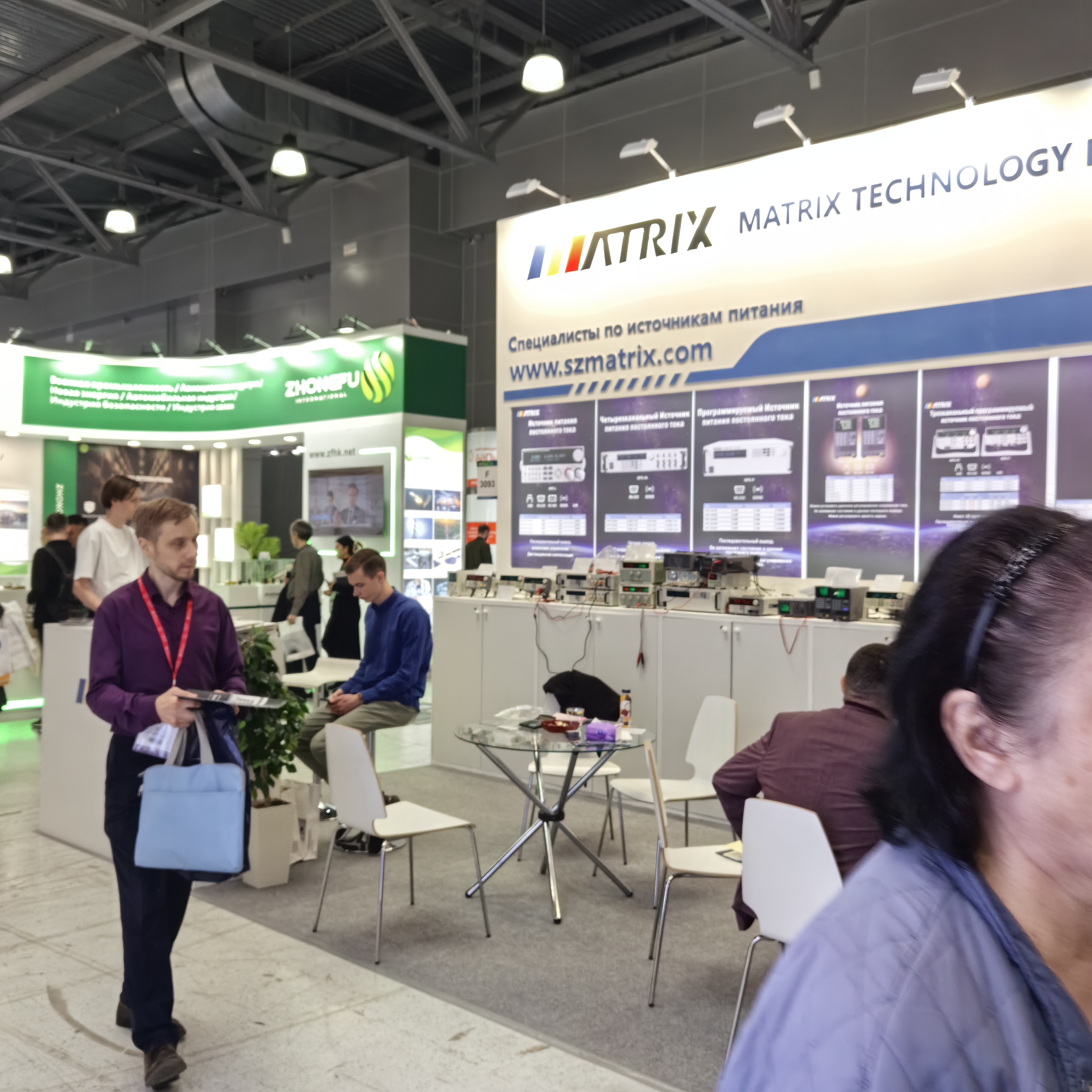
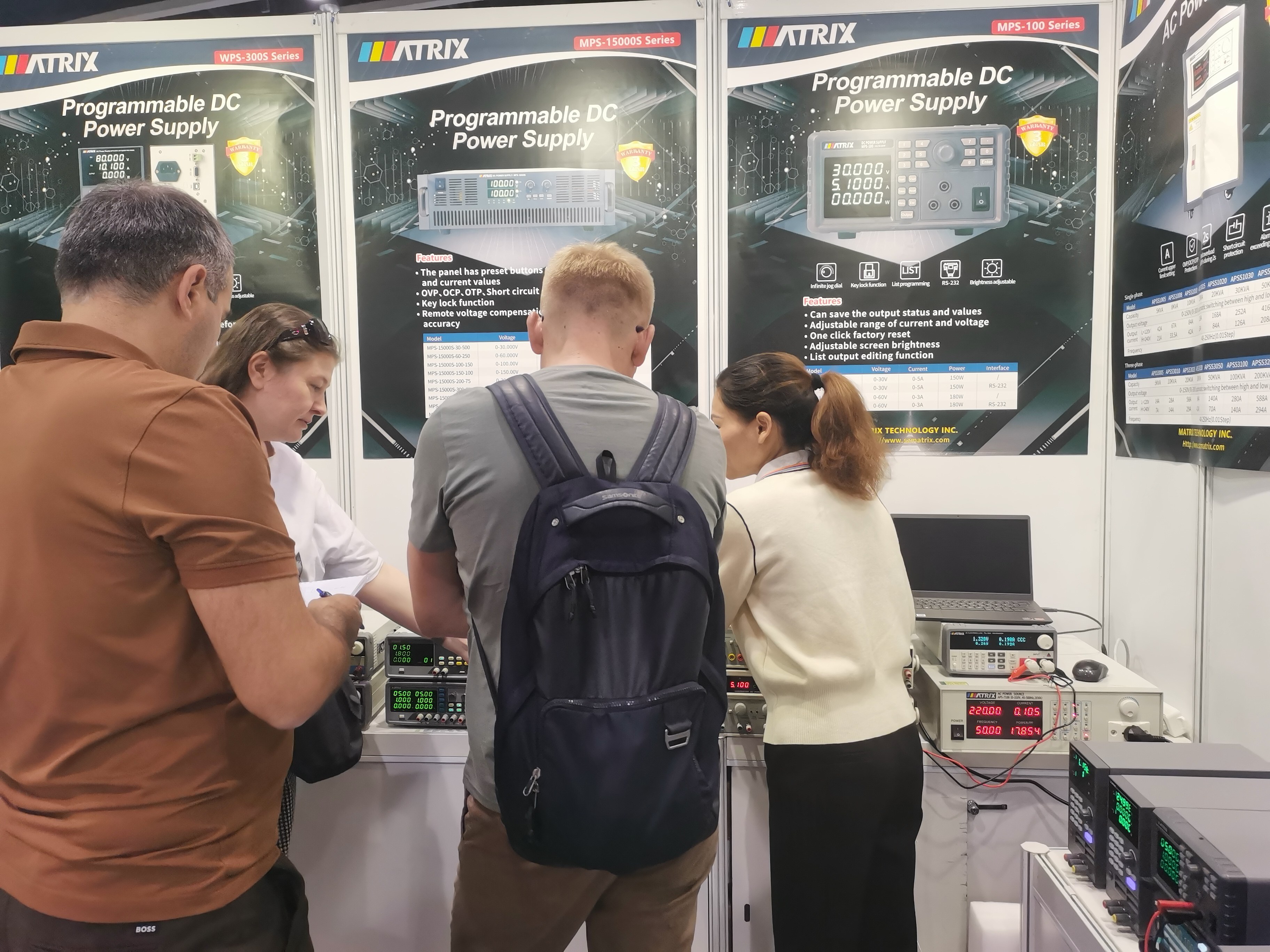
Local Support, Standardization & Quality Compliance
Ensuring all global instrumentation standards are met with traceabilities, calibration registries, and reliable technical backup.
Standard Regulatory Compliance
Our measuring and testing equipment conforms to major international guidelines, including IEC 61010-1 (safety requirements) and CISPR 11 (electromagnetic emission standards). This guarantees secure integration into cleanrooms and highly regulated automotive validation environments.
Traceable Calibration & Certification
All measuring equipment shipped globally is compatible with standard calibration processes traceable to NIST, DKD, or CNAS. When upgrading your lab's measuring equipment, we supply full calibration reports to ensure seamless audits and verification.
Frictionless Global Support
Through our dedicated network of distributors and application engineers, Matrix Power provides setup recommendations, debugging assistance, and components selection guides. We minimize downtime with responsive technical support and fast spare part logistics.
Expert Q&A on LCR Metrology & Power Instrumentation
Answers to technical questions commonly encountered by component engineers, quality inspectors, and lab managers.
Professional Power Test Systems & Modular Calibration Units
High-capacity programmable digital power systems, linear supplies, and adjustable switching units for complex R&D test configurations.