⚡ Featured Industrial Power & Testing Solutions
High-precision instrumentation for laboratory and industrial grid maintenance.
🔍 Semantic Context: Why Phase Sequence Detection Matters
In the landscape of modern industrial electrical engineering, a Phase Sequence Tester (also known as a phase rotation meter) is more than just a tool—it is the frontline of operational safety. For any 3-phase power system, ensuring the correct sequence (L1-L2-L3 or R-S-T) is critical. Incorrect wiring can lead to catastrophic motor reversal, damaging expensive equipment like industrial compressors, pumps, and conveyor belts.
This guide analyzes the global market, highlighting how leading phase sequence tester factories and exporters are evolving their manufacturing processes to meet the demands of "Industry 4.0." From non-contact detection to integrated smart-grid diagnostics, we provide the information gain necessary for procurement directors to make informed decisions.
🏢 About the Industry Pioneer: GUANGZHOU MATRIX POWER
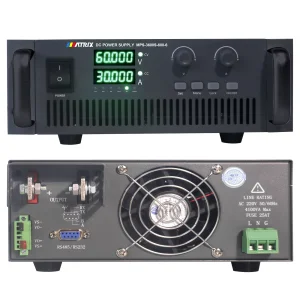
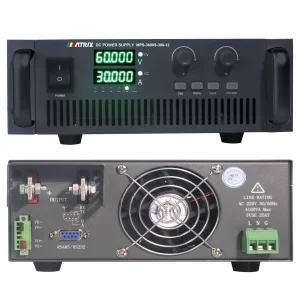
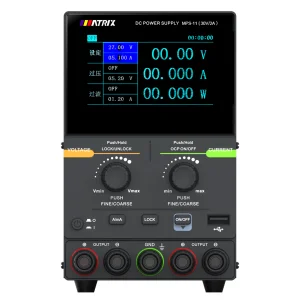
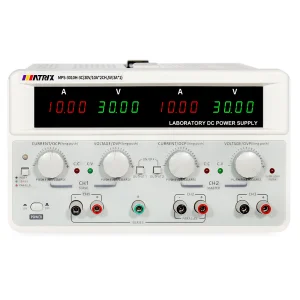
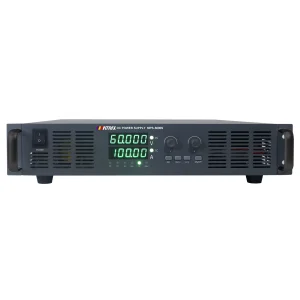
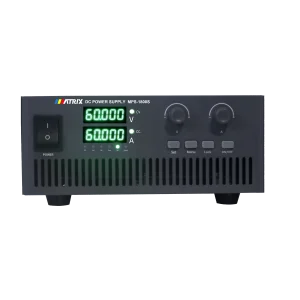
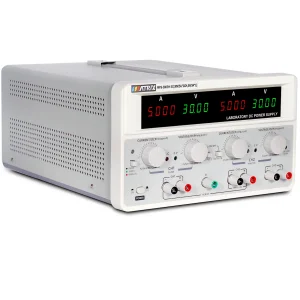
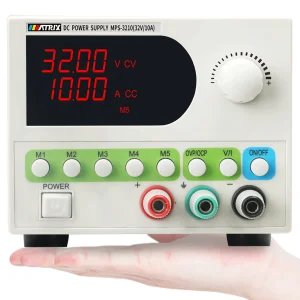
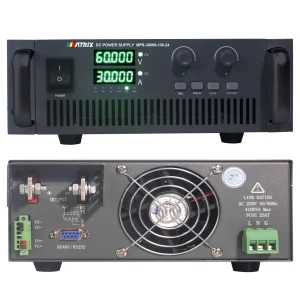
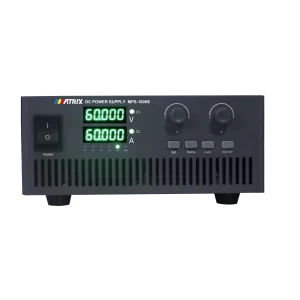
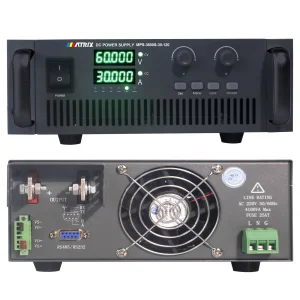
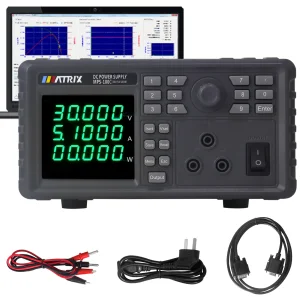
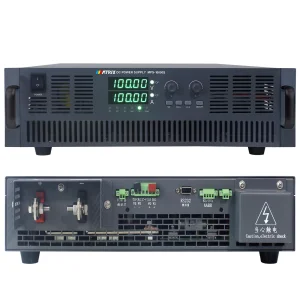
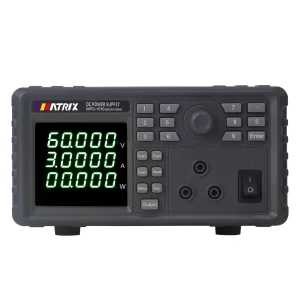
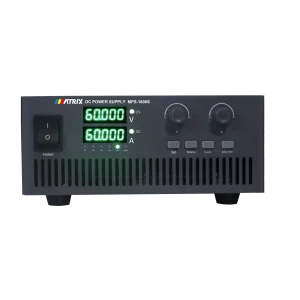
GUANGZHOU MATRIX POWER TECHNOLOGY LIMITED's headquarters was established in Guangzhou, China, in 2003, and is an innovative enterprise specializing in the R&D, production, and sales of DC-regulated power supplies and AC power sources.
Advanced Manufacturing
Leveraging state-of-the-art facilities to produce high-precision instrumentation that adheres to international safety standards.
Global Logistics
Our products are currently exported to more than 80 countries and regions, ensuring a resilient supply chain for global distributors.
Innovation & Certification
MATRIX POWER has obtained ISO9001, CE, ROHS, and other authoritative certifications, reflecting our commitment to reliability.


🌍 Localization: Phase Sequence Testing in Global Scenarios
One of the primary challenges for exporters is the localization of technical standards. A Phase Sequence Tester manufactured for the North American market must often accommodate different voltage levels and frequencies compared to the European or Asian markets.
- North America (NEMA Standards): Focus on 208V, 240V, and 480V systems with 60Hz frequency. Reliability in high-voltage industrial environments is paramount.
- Europe (IEC Standards): Stringent requirements for CAT III and CAT IV safety ratings. Testing for 400V/230V systems at 50Hz.
- Asia-Pacific: Highly diverse grid environments requiring testers with wide operating voltage ranges (e.g., 40V to 700V AC).
🛠️ Technical Roadmap: The Evolution of Phase Detection
The industry is shifting from traditional "rotating disc" testers to sophisticated digital and non-contact solutions. Leading factories are now focusing on:
- Non-Contact Measurement: Using induction technology to detect phase rotation through insulation, significantly reducing the risk of arc flash and electric shock.
- Multi-Function Integration: Combining phase sequence detection with voltage measurement, open-phase identification, and motor rotation direction testing in a single handheld device.
- Digital Visual Feedback: High-contrast OLED displays and LED indicators provide unambiguous "Clockwise" or "Counter-Clockwise" results, even in low-visibility industrial settings.
- Wireless & Cloud Connectivity: Early-stage adoption of Bluetooth for data logging, allowing field technicians to document grid health via smartphone apps.
🇨🇳 Why China? The Supply Chain & Efficiency Edge
The concentration of phase sequence tester factories in industrial hubs like Guangzhou and the Pearl River Delta offers unparalleled advantages for global exporters.
Raw Material Accessibility
Direct access to semiconductor components, high-grade plastics for housings, and specialized testing leads allows for faster R&D cycles.
Production Efficiency
The "Economies of Scale" in China enable factories to offer competitive pricing without sacrificing the precision required for electrical safety tools.
Logistics Infrastructure
Proximity to world-class ports ensures that bulk orders are shipped with minimal lead times, a critical factor in maintaining global inventory levels.
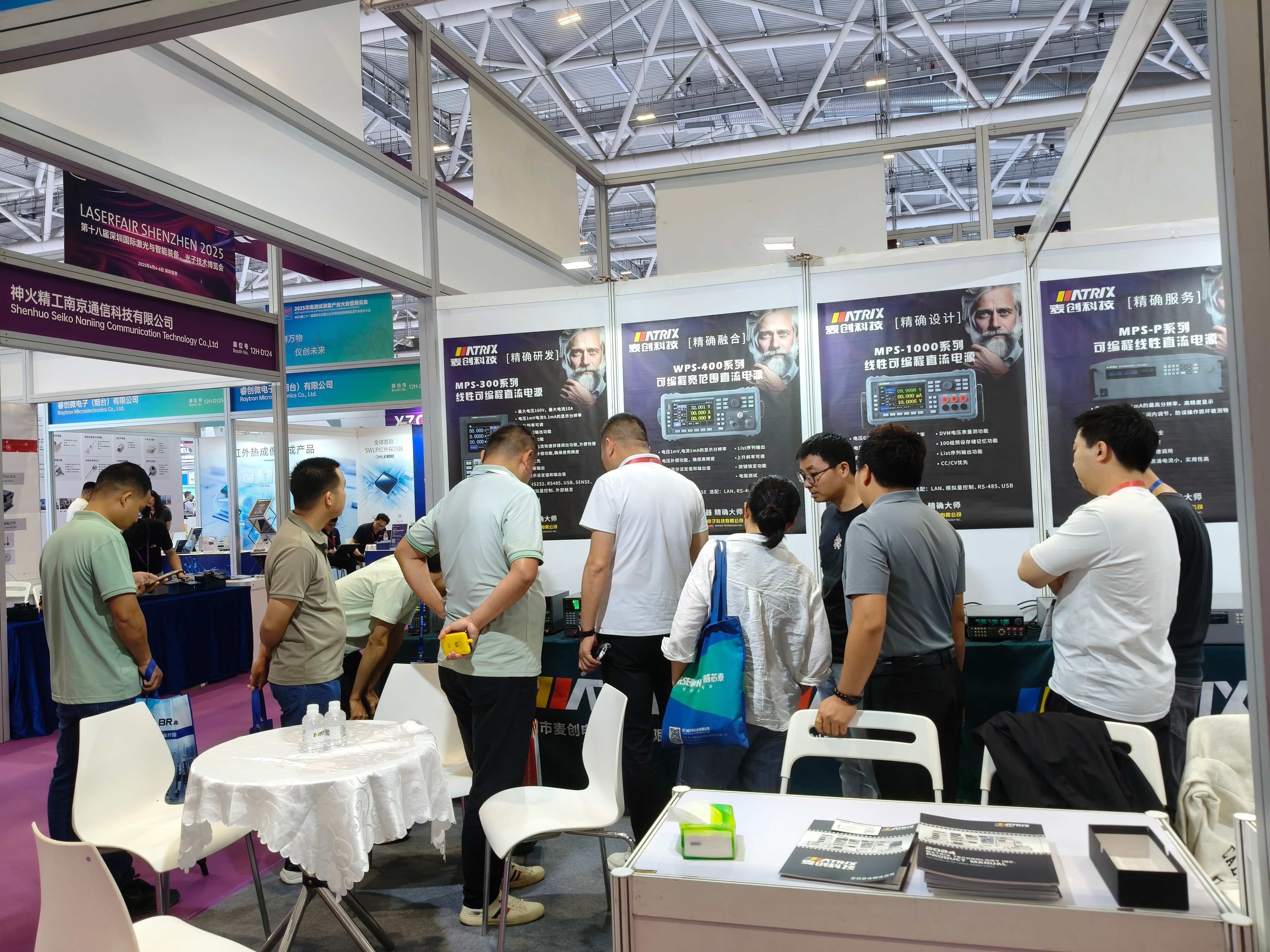
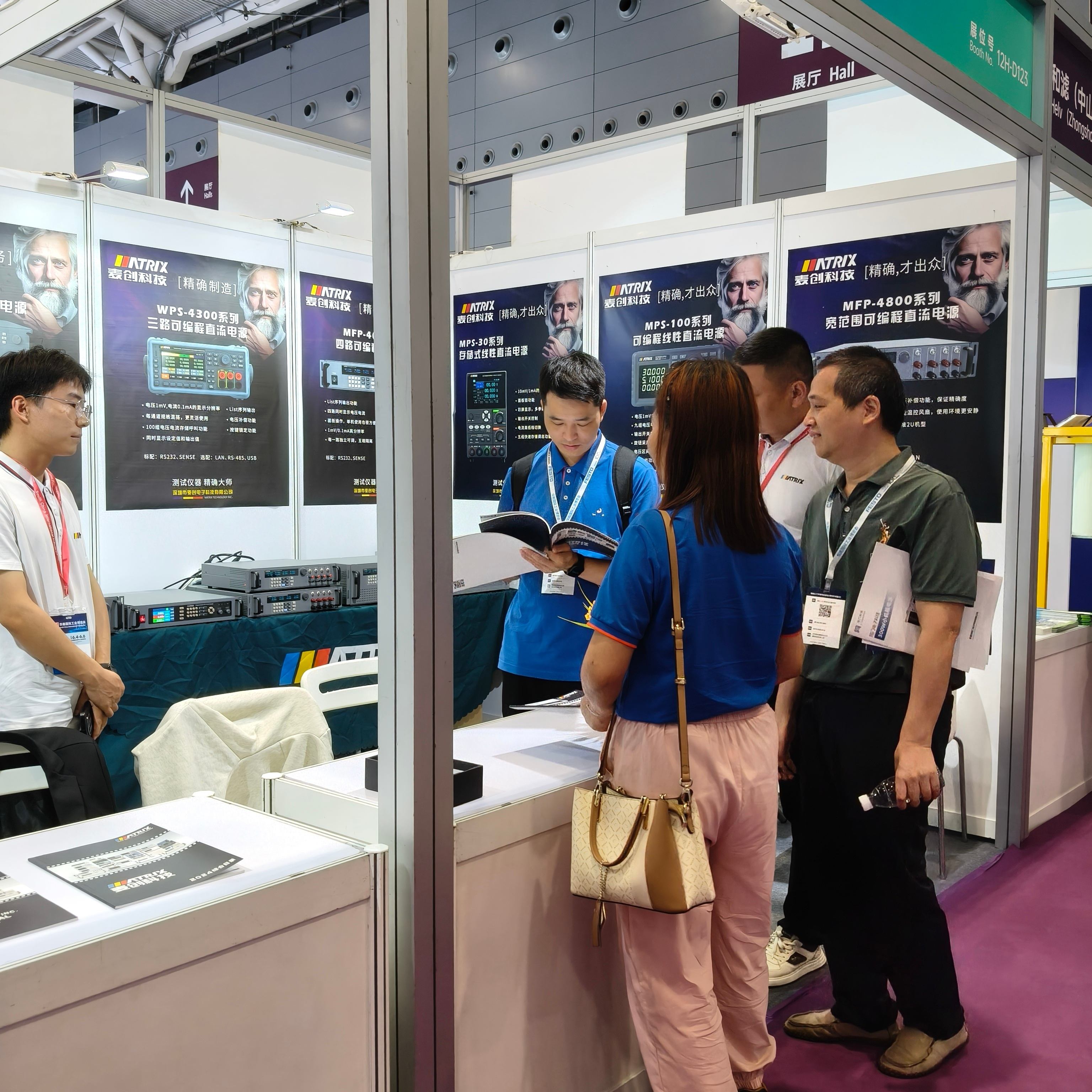
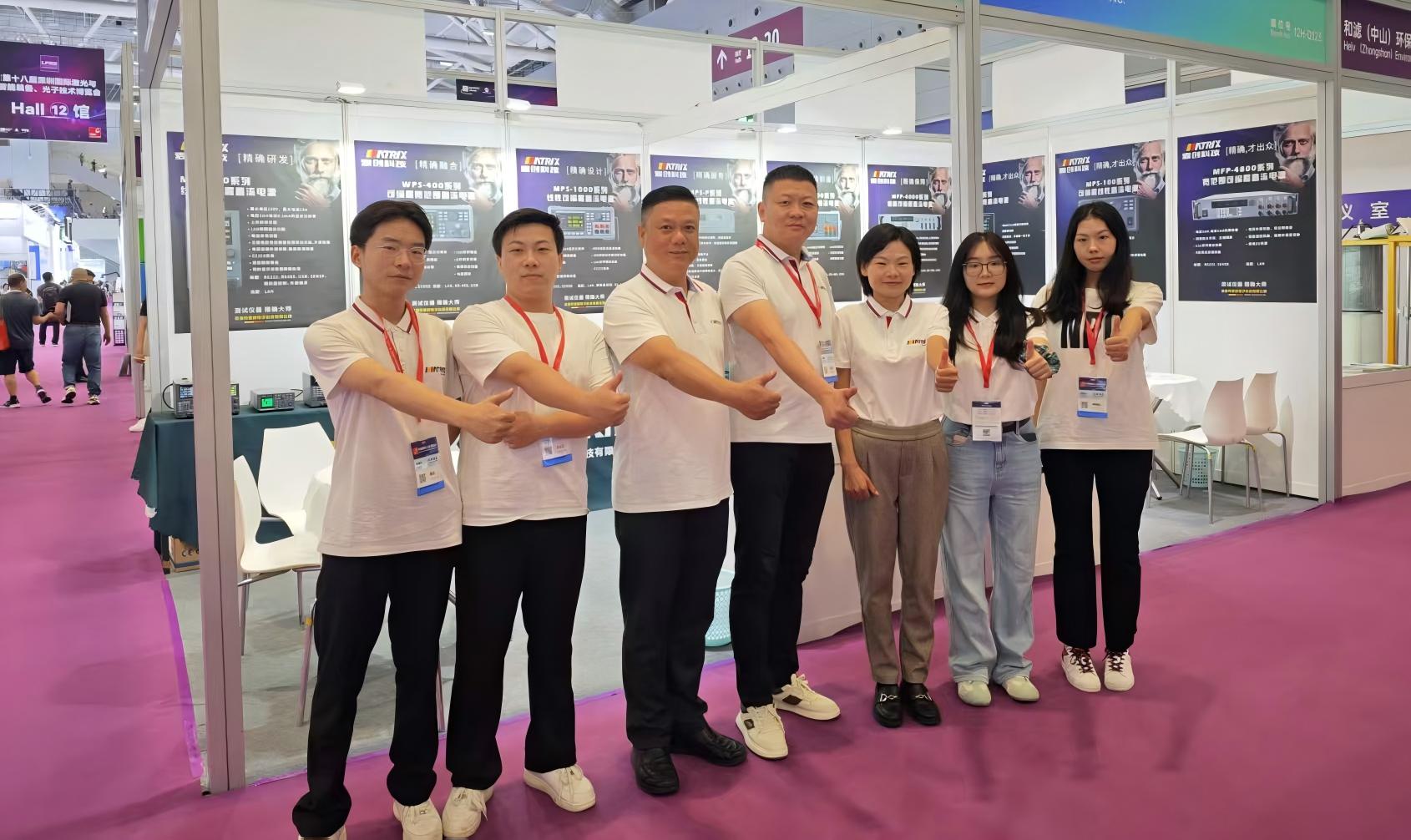
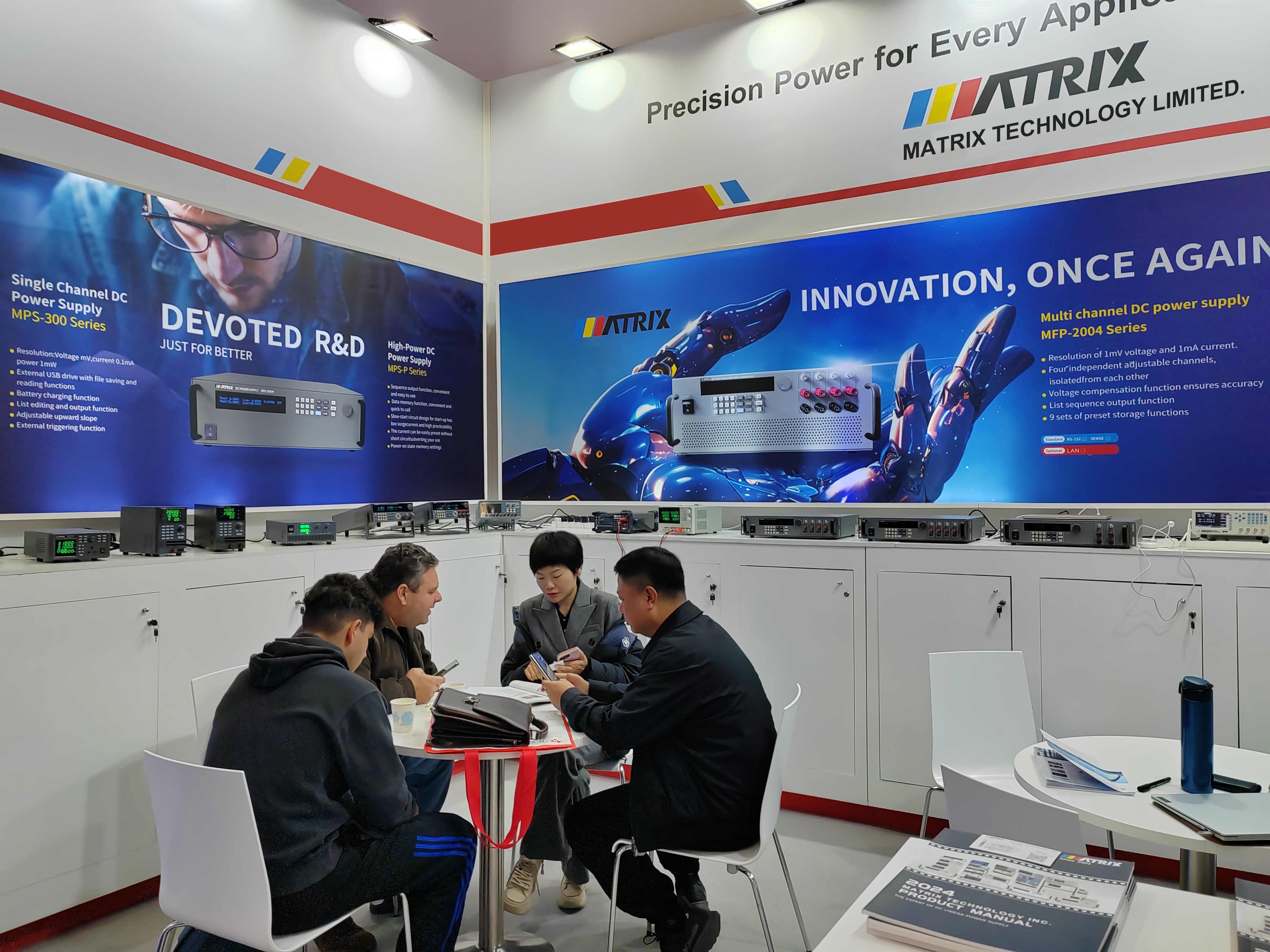
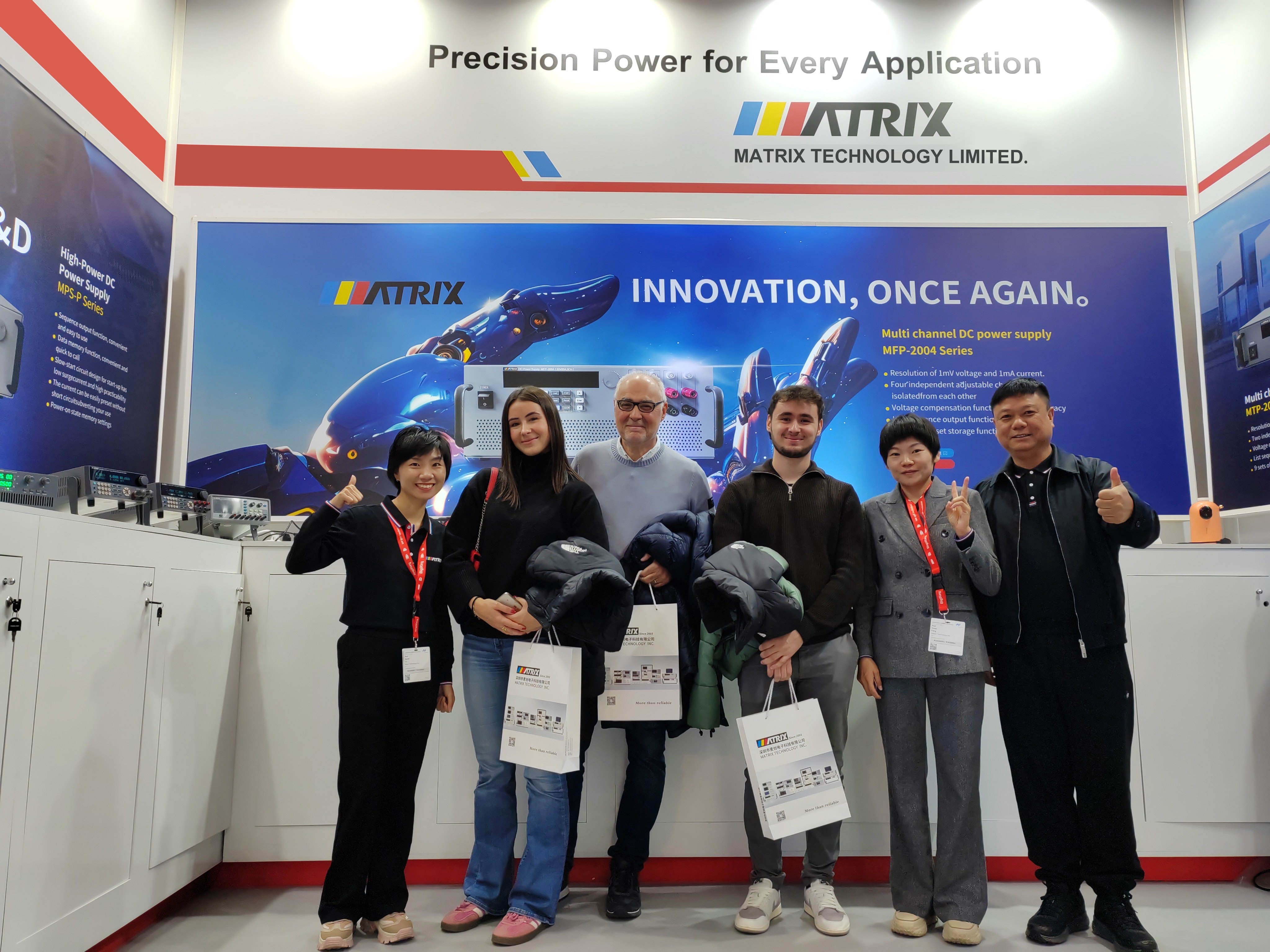
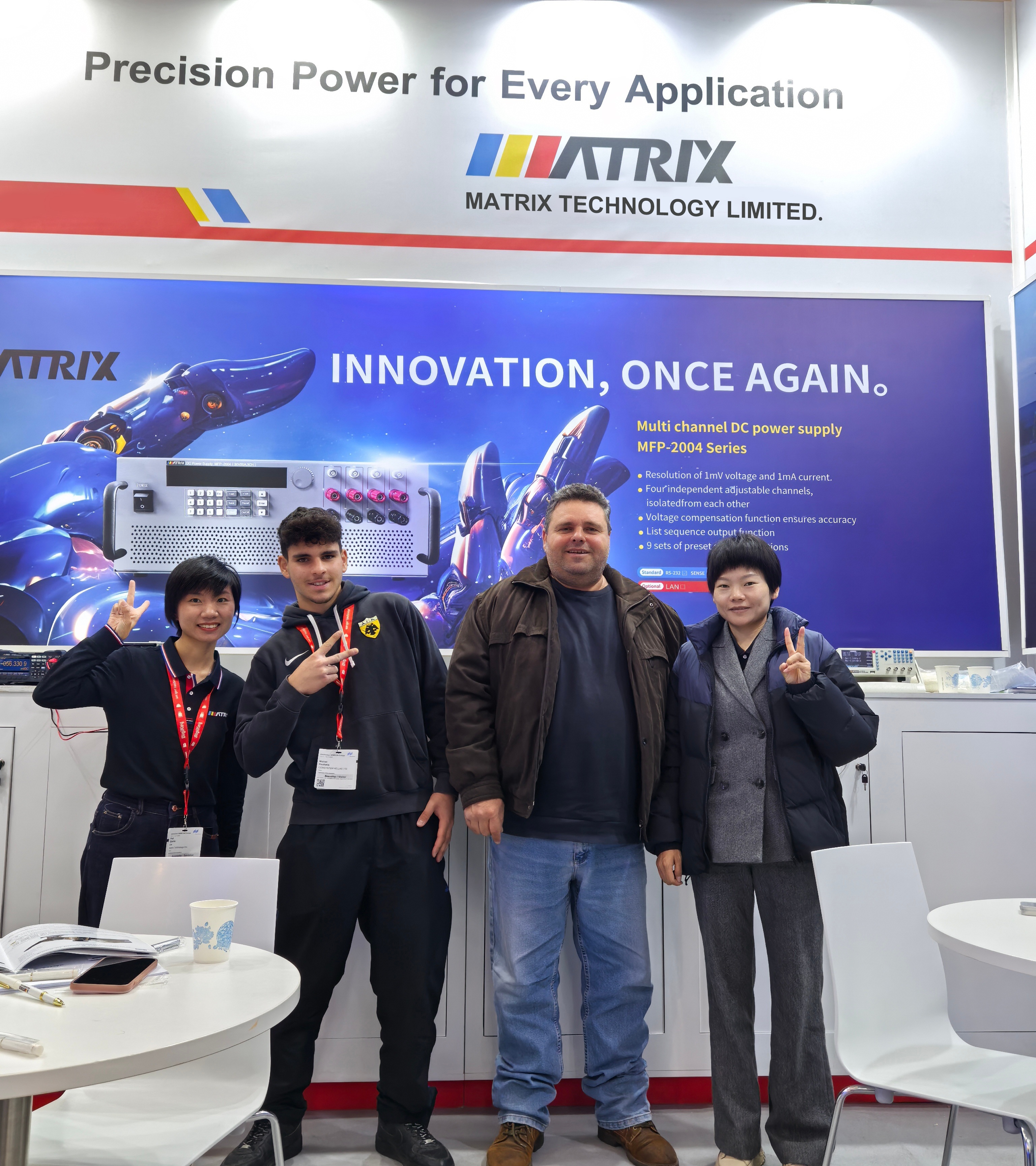
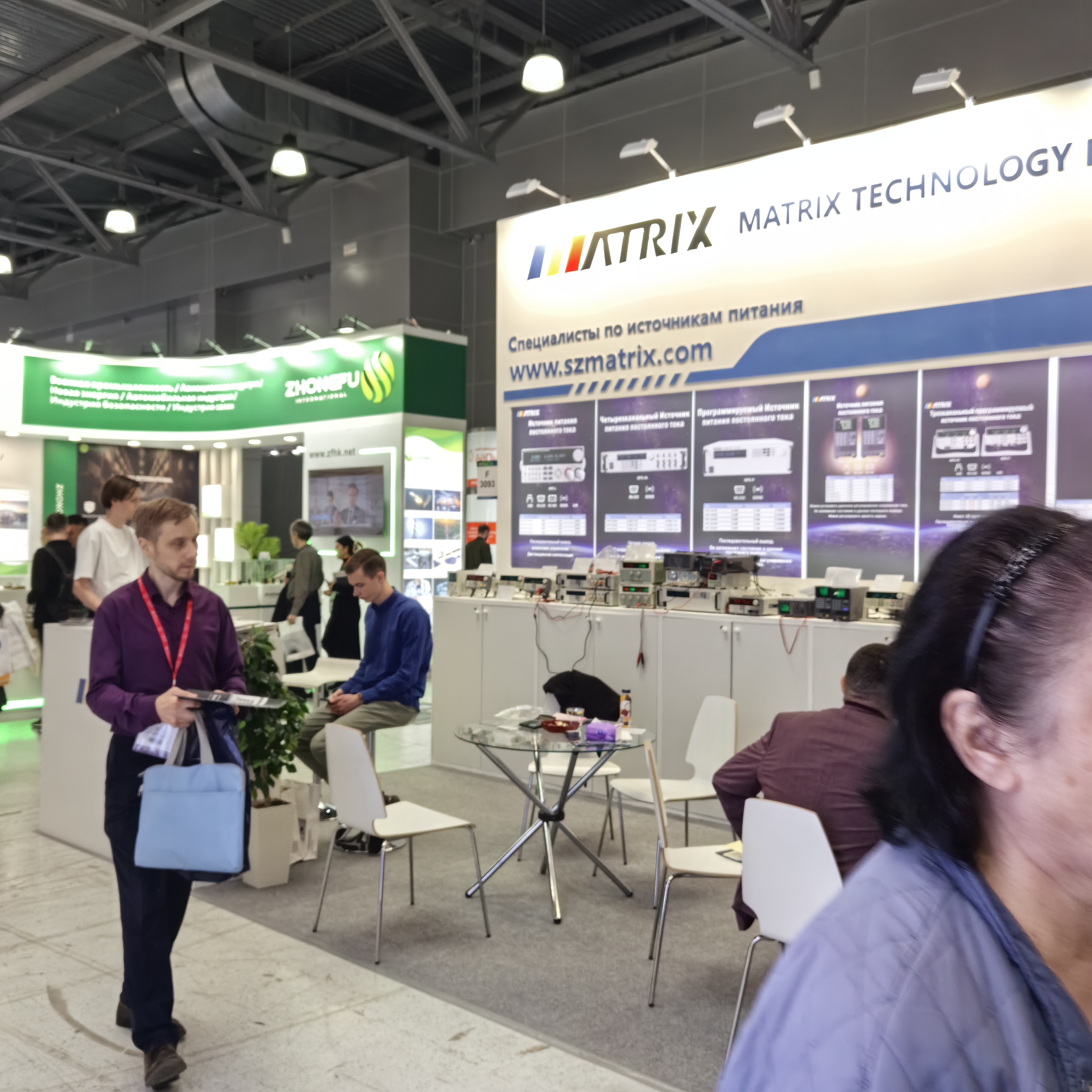
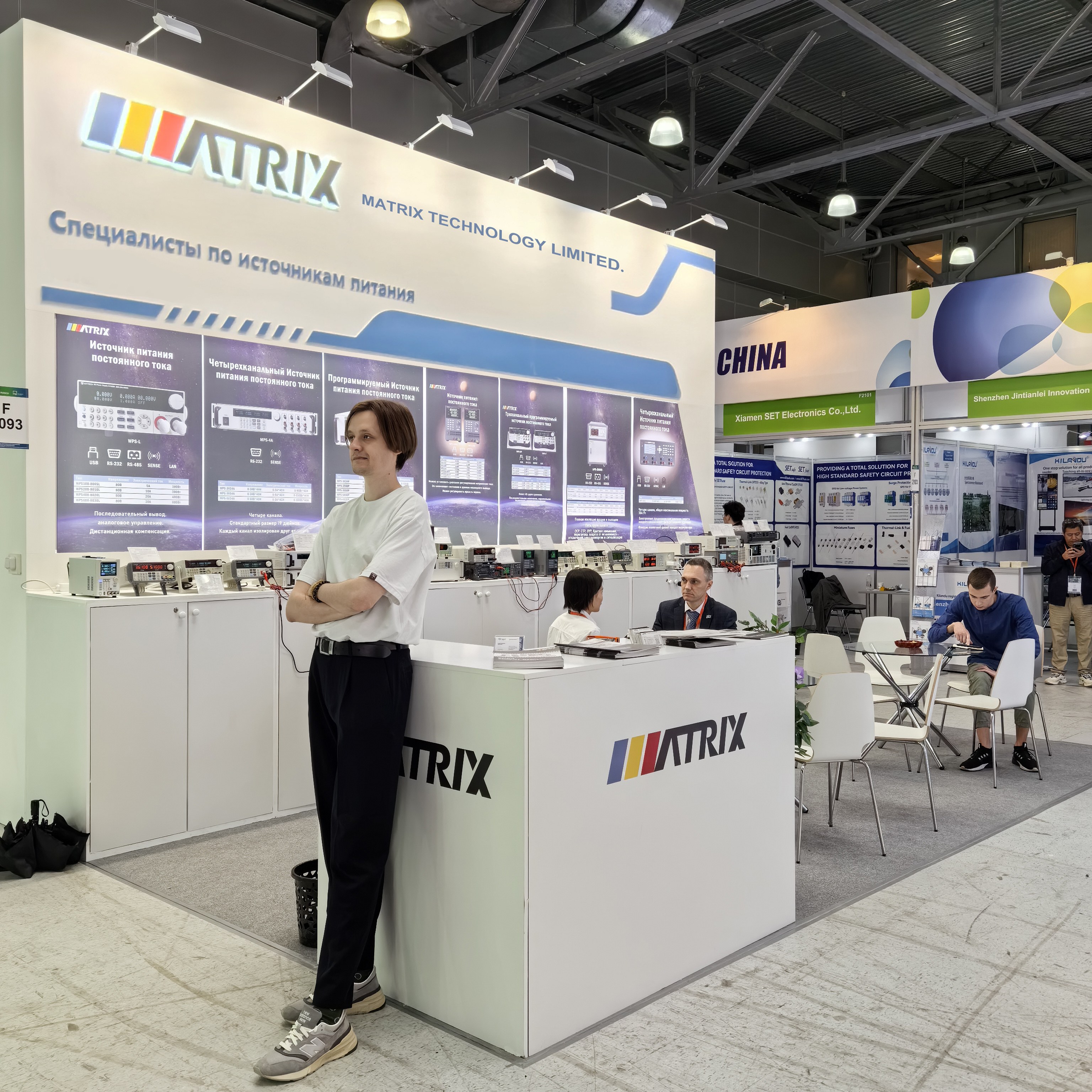
Our Presence at Global Industry Events
❓ Frequently Asked Questions (FAQ)
Contact testers require direct connection to live terminals, providing high accuracy for voltage and frequency. Non-contact testers use induction, allowing safe testing through wire insulation, which is ideal for quick checks and enhanced user safety.
A 3-phase motor's rotation direction is determined by the phase sequence. If the sequence is reversed (e.g., L2-L1-L3 instead of L1-L2-L3), the motor will spin backward, potentially causing mechanical failure in pumps or cooling systems.
Yes, but it requires high-quality testers that can filter out electrical noise and harmonic distortion generated by VFDs. Professional-grade units are designed to handle these complexities.
Ensure the factory provides CE, RoHS, and ideally ISO9001 certification. For high-voltage environments, look for CAT III 600V or CAT IV 600V safety ratings to ensure operator protection.
Leading manufacturers like MATRIX POWER implement rigorous QC processes, including aging tests, calibration against reference standards, and stress testing in high-temperature/humidity environments.
With proper care and calibration, high-quality testers last 5-10 years. Ruggedized housings and high-durability testing leads are key to longevity in field conditions.
🛒 Specialized Power Solutions Catalog
Explore our full range of high-precision benchtop and industrial power units.