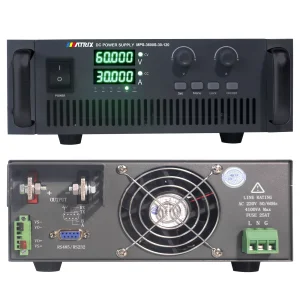
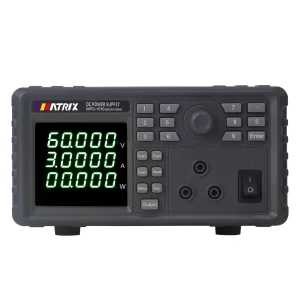
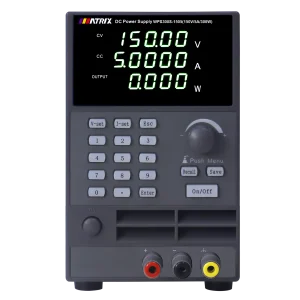
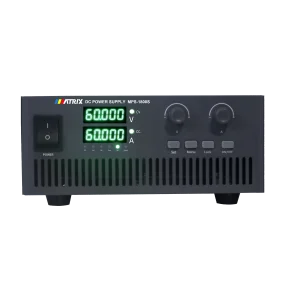
Featured Precision Testing Equipment
The Strategic Necessity of Power Factor Monitoring
In the era of Industry 4.0 and the global push toward Carbon Neutrality, the role of Power Factor (PF) meters has evolved from simple measurement tools to critical assets in energy management. A low power factor doesn't just represent inefficiency; it signifies increased thermal stress on infrastructure, higher utility penalties, and significant carbon footprint expansion.
Modern industrial facilities—ranging from semiconductor fabrication plants to massive automotive assembly lines—rely on precision PF meters to monitor "Reactive Power" (kVAR). By maintaining a power factor close to unity (1.0), enterprises can achieve up to 15-20% reduction in energy costs and extend the lifespan of their electrical assets.
Top 10 Power Factor Meter Manufacturers: Global Leaders
1. Schneider Electric (France)
Known for their PowerLogic series, Schneider leads the market with IoT-integrated meters that offer comprehensive power quality analysis and seamless EcoStruxure integration.
2. ABB (Switzerland)
ABB's M4M network analyzers are the industry standard for durability in heavy industrial environments, offering high-precision measurement for both LV and MV applications.
3. Siemens (Germany)
The SENTRON measuring devices are renowned for their German engineering, providing high transparency of energy flows and compliance with ISO 50001 standards.
4. Eaton (USA)
Eaton specializes in power management solutions that combine metering with surge protection and harmonic filtering, essential for modern data centers.
5. Yokogawa (Japan)
The gold standard for laboratory-grade precision. Yokogawa meters are often used as reference standards for calibrating other industrial power factor instruments.
6. Matrix Power (China)
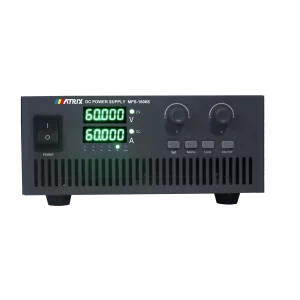
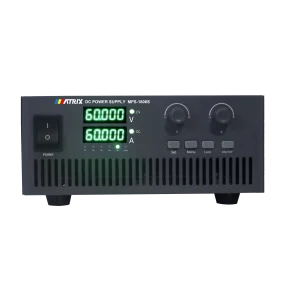
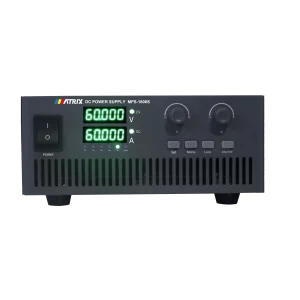
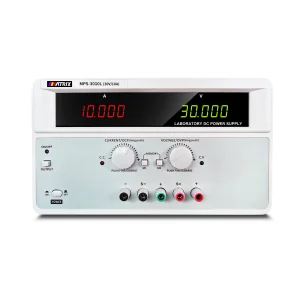
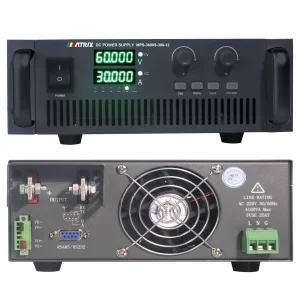
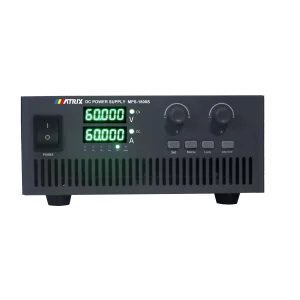
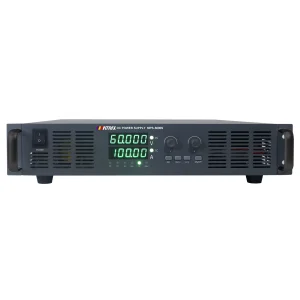
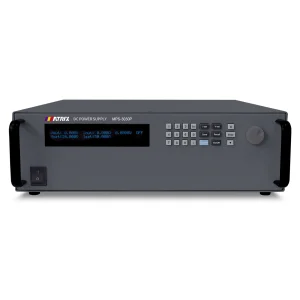
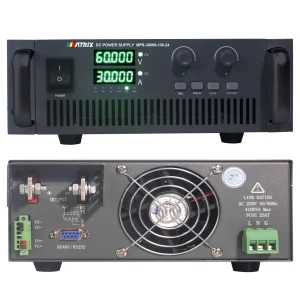
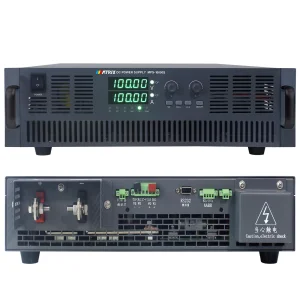
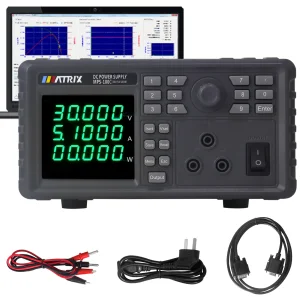
GUANGZHOU MATRIX POWER TECHNOLOGY LIMITED, established in 2003, has emerged as a high-growth leader in DC-regulated and AC power sources. Their focus on R&D has led to products exported to 80+ countries with CE and RoHS certifications.
7. Fluke Corporation (USA)
The undisputed leader in portable power quality analyzers. Fluke’s handheld meters allow field engineers to diagnose power factor issues on-site with unparalleled ease.
8. Janitza Electronics (Germany)
Specialists in digital measurement technology, Janitza's UMG series offers class-leading harmonic analysis and integrated web servers for remote monitoring.
9. Socomec (France)
Focuses on modular power metering solutions (DIRIS series) that allow for easy expansion in complex multi-load industrial facilities.
10. HIOKI (Japan)
Recognized for high-speed sampling and precise phase measurement, making them ideal for testing EV power electronics and renewable energy inverters.
Macro Industry Solutions: Beyond Simple Measurement
Smart Building Automation
Integrating PF meters with Building Management Systems (BMS) to automatically adjust capacitor banks, reducing inductive load penalties in commercial skyscrapers.
Heavy Manufacturing
Mitigating the effects of non-linear loads (Variable Frequency Drives) by using PF meters to trigger active harmonic filters in real-time.
Renewable Energy Grids
Monitoring the bidirectional flow of power in solar and wind farms to ensure grid stability and compliance with local utility interconnection requirements.
Technical Roadmap & Future Outlook
Shift from cloud-only analysis to on-device edge processing, allowing PF meters to make milliseconds-level decisions for grid stabilization.
Meters will use machine learning to predict transformer or motor failure based on subtle shifts in power factor and harmonic distortion signatures.
Power factor and energy efficiency data will be logged on immutable ledgers to provide verifiable ESG (Environmental, Social, and Governance) reports for global corporations.
Manufacturer Spotlight: Guangzhou Matrix Power
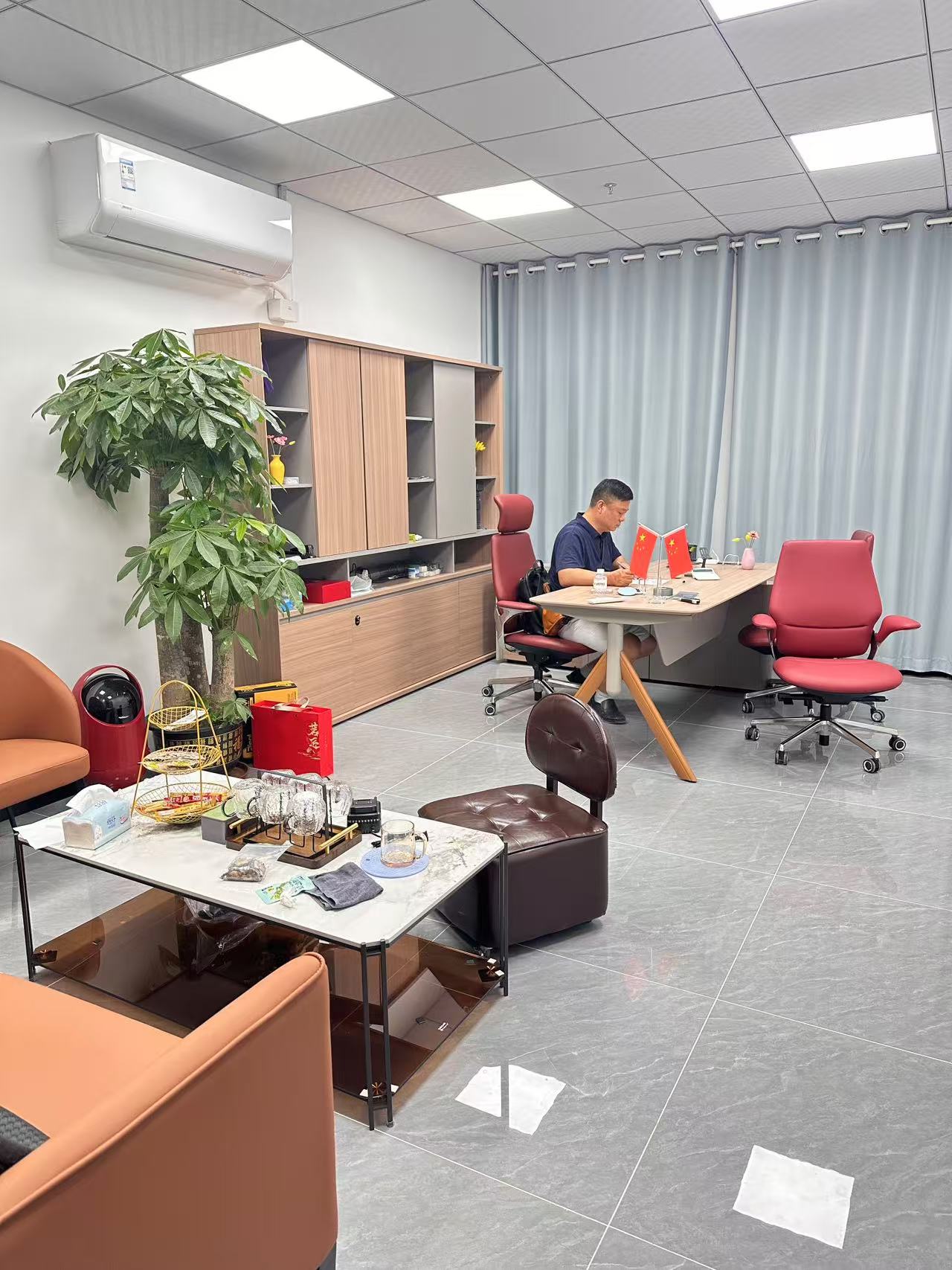
GUANGZHOU MATRIX POWER TECHNOLOGY LIMITED's headquarters was established in Guangzhou, China, in 2003, and is an innovative enterprise specializing in the R&D, production, and sales of DC-regulated power supplies and AC power sources.
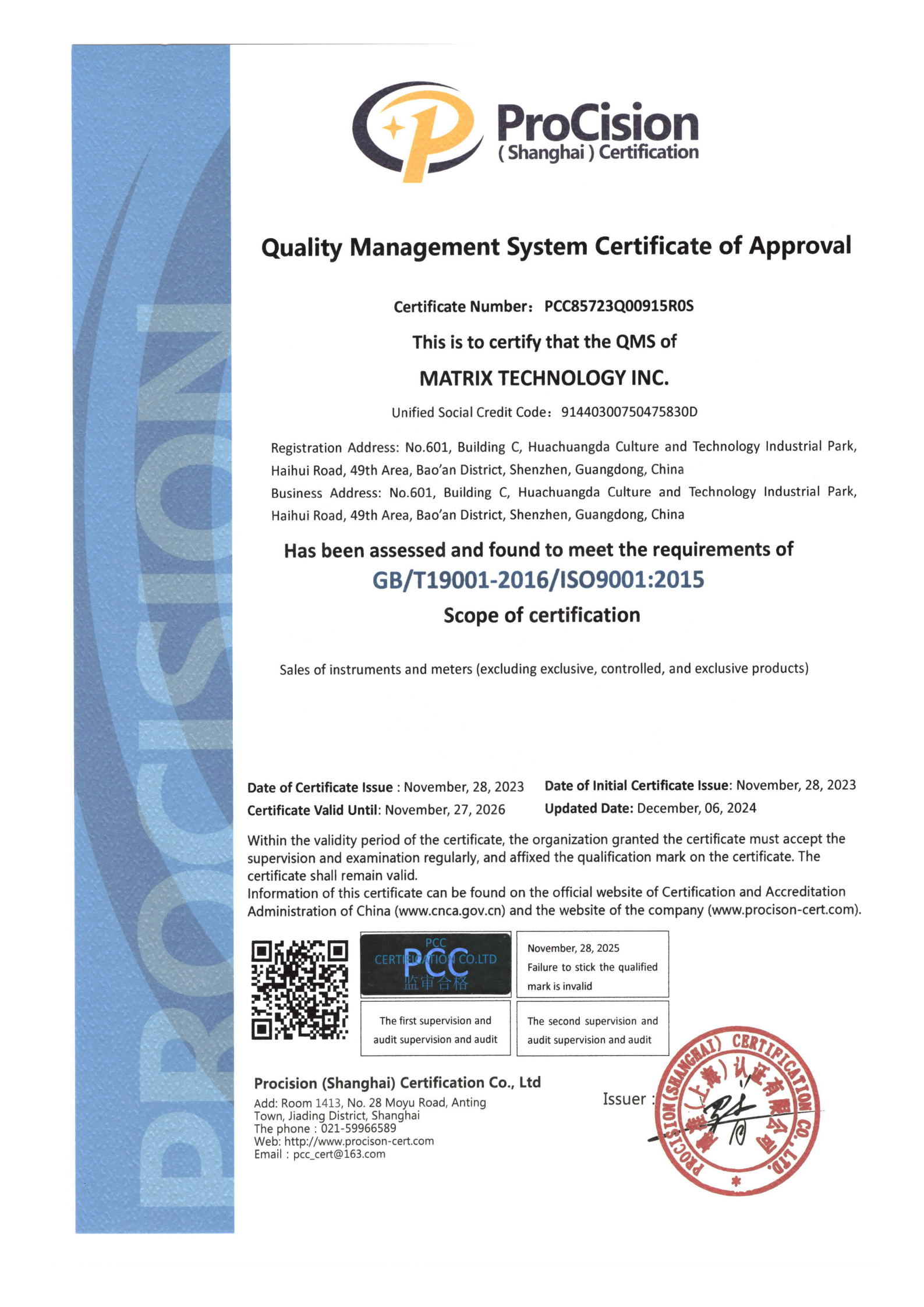
Our products are currently exported to more than 80 countries and regions. MATRIX POWER has obtained ISO9001, CE, ROHS, and other authoritative certifications. Our robust R&D team will continue to focus on the research and development of DC power supplies, keeping providing users with more reliable, durable, and stable products.


Global Presence & Exhibitions
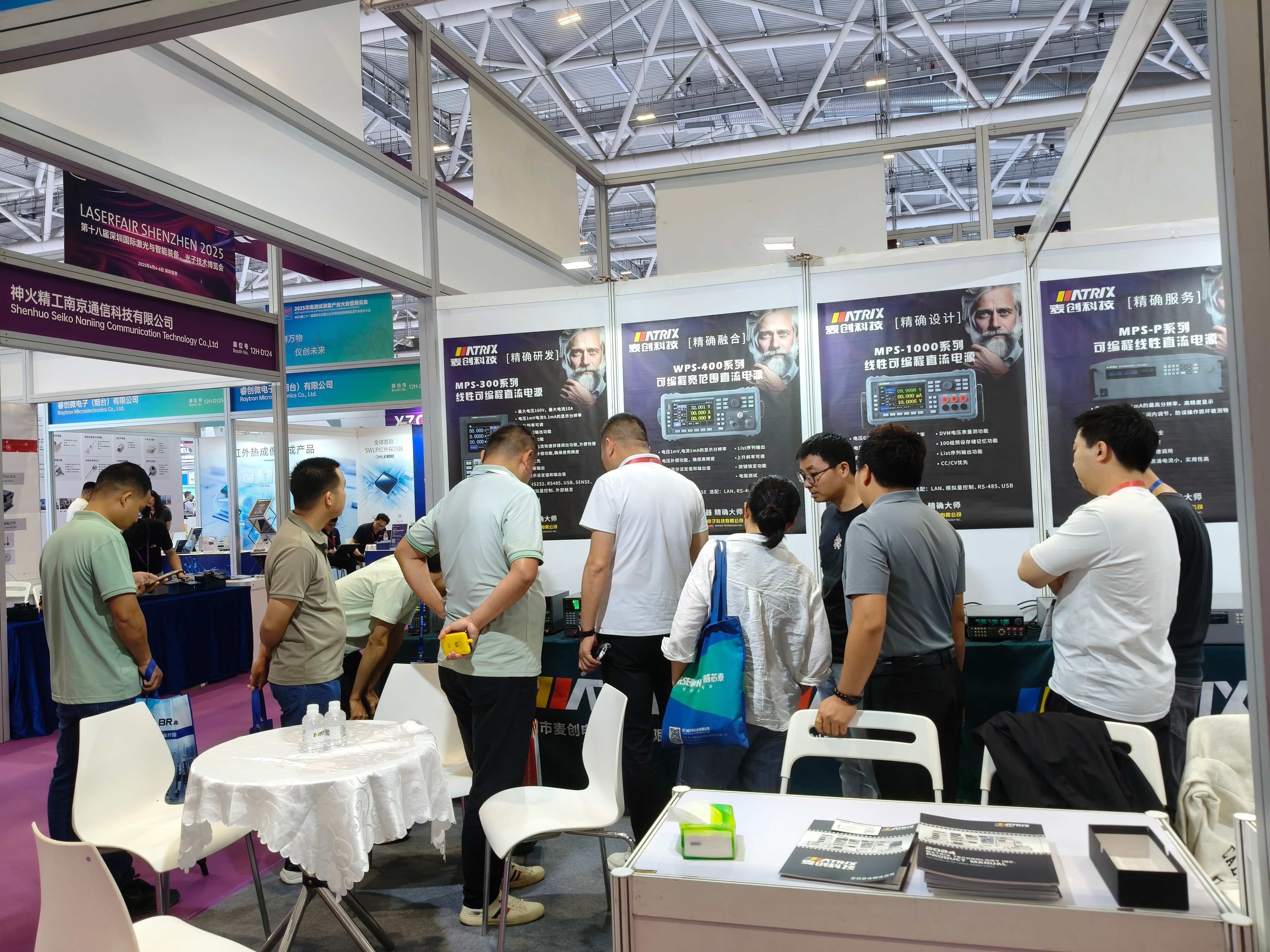 2025 South China Exhibition
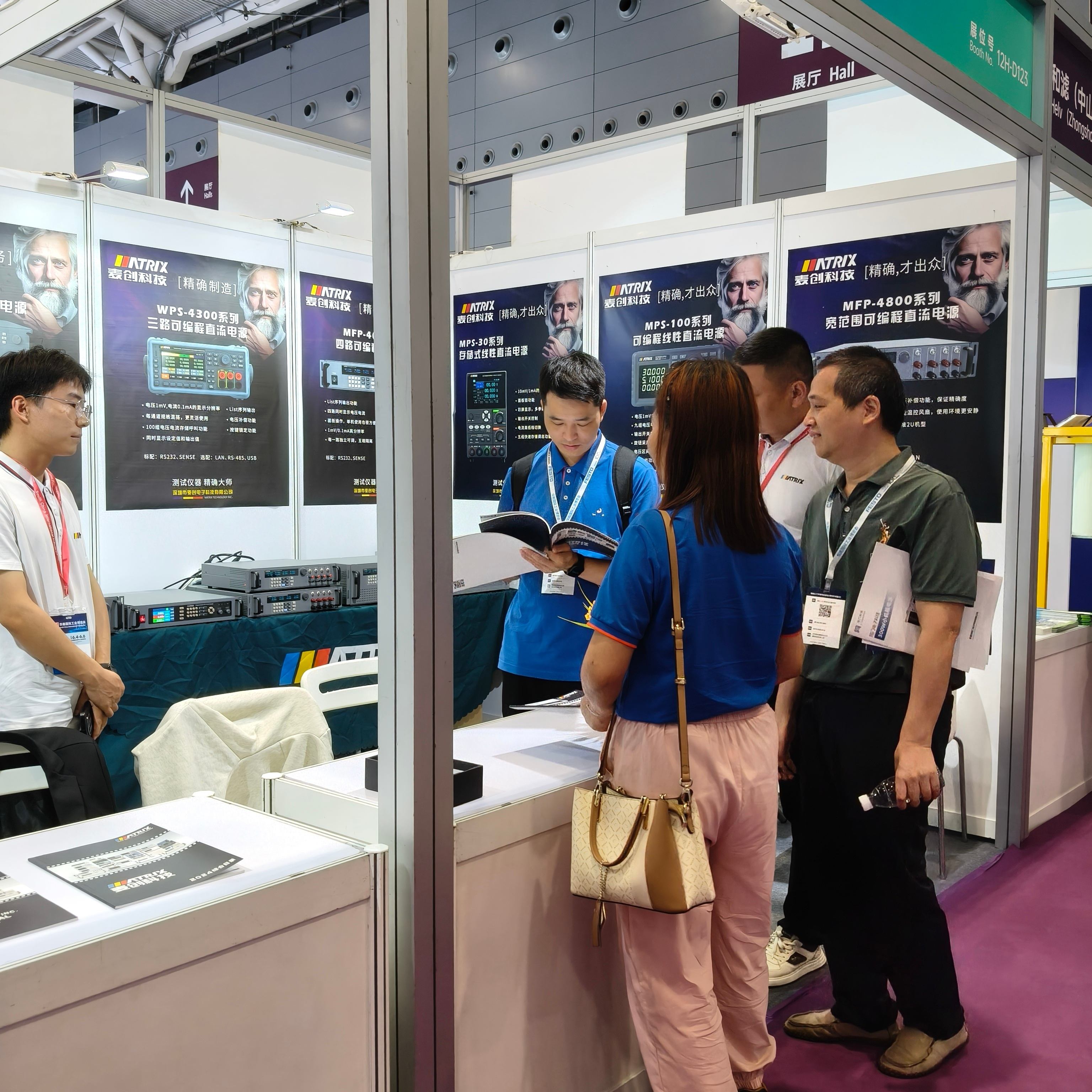 Testing Industry Conf.
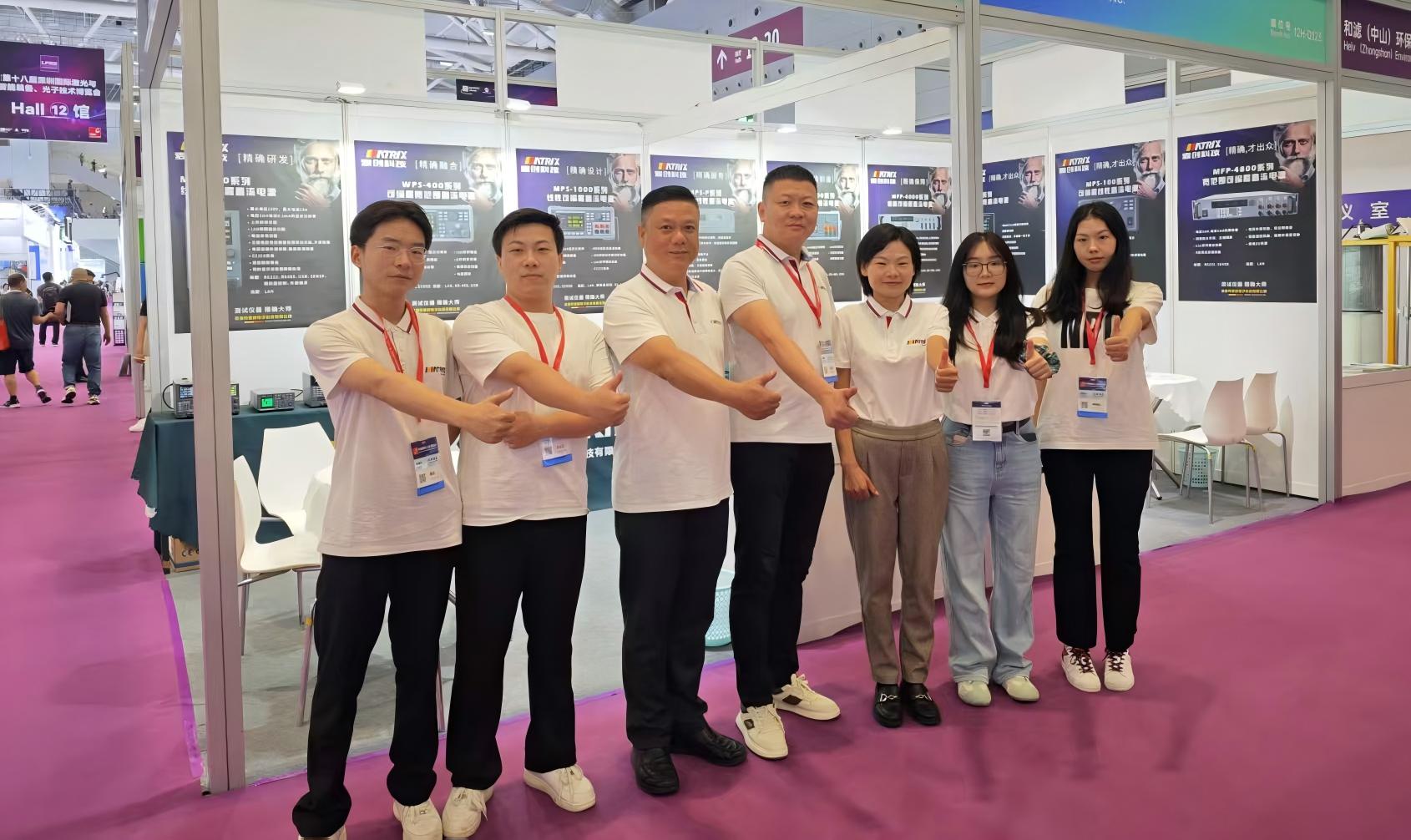 Measurement Exhibition
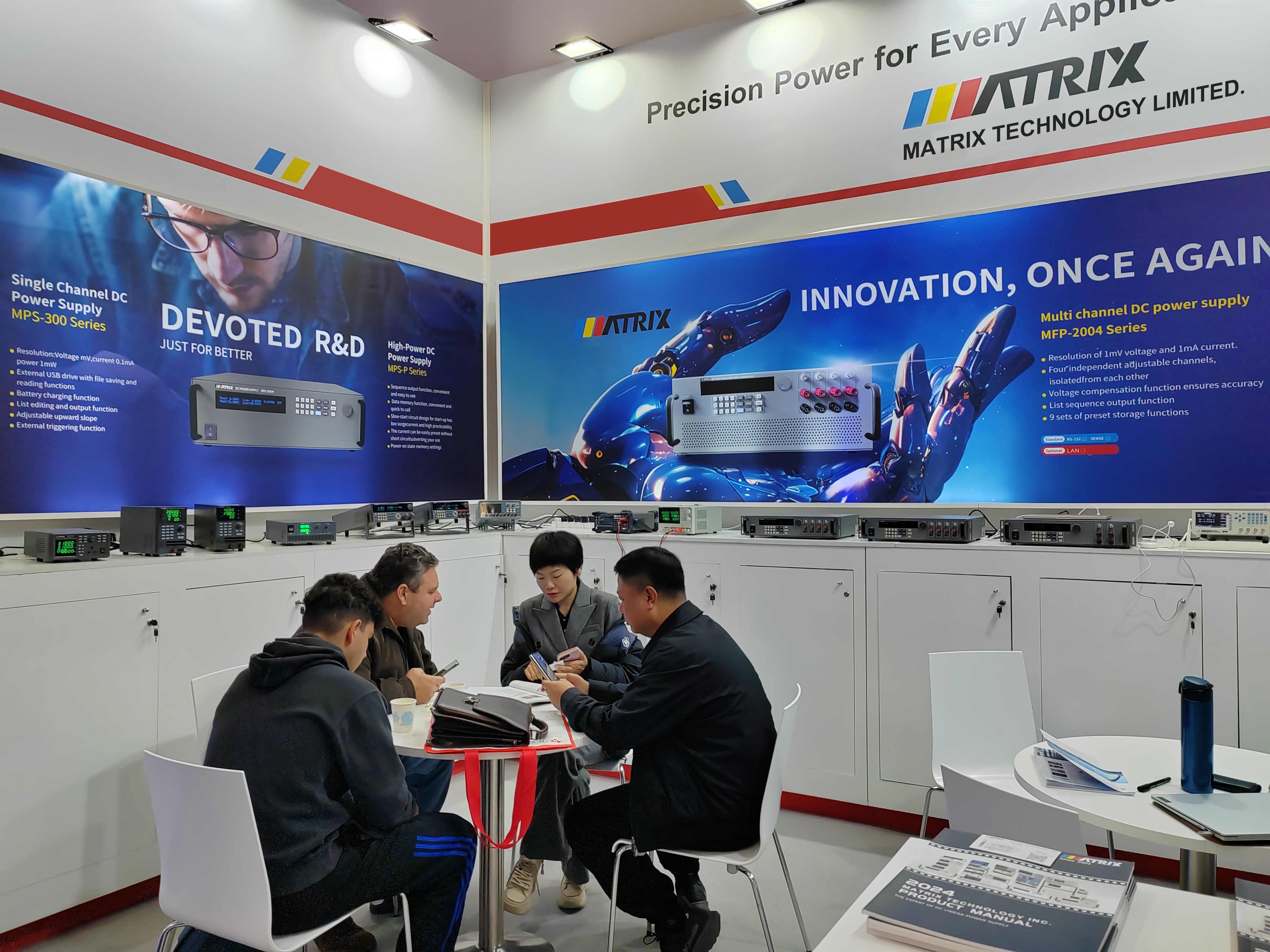 2024 Munich Germany
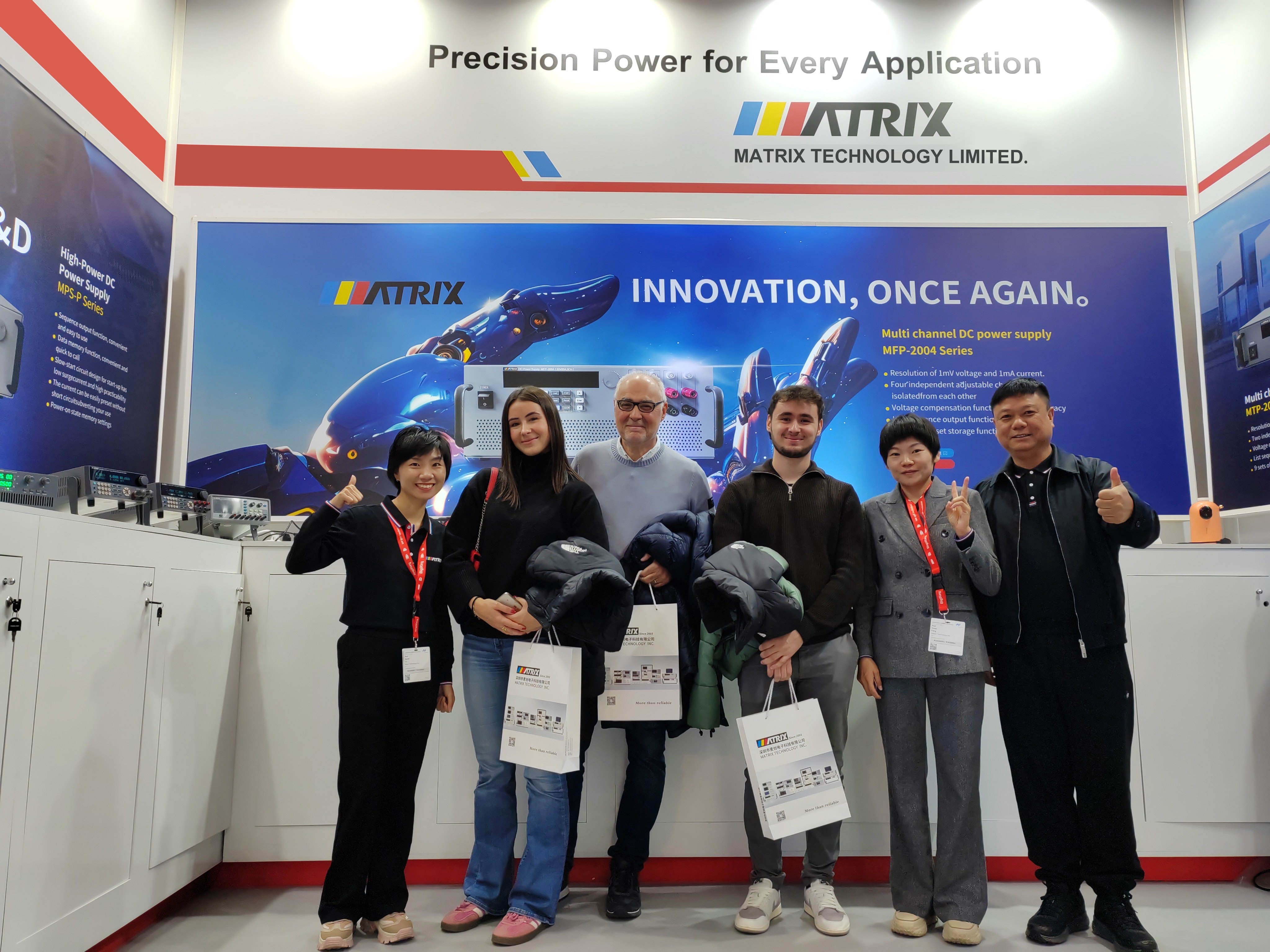 Munich Tech Fair
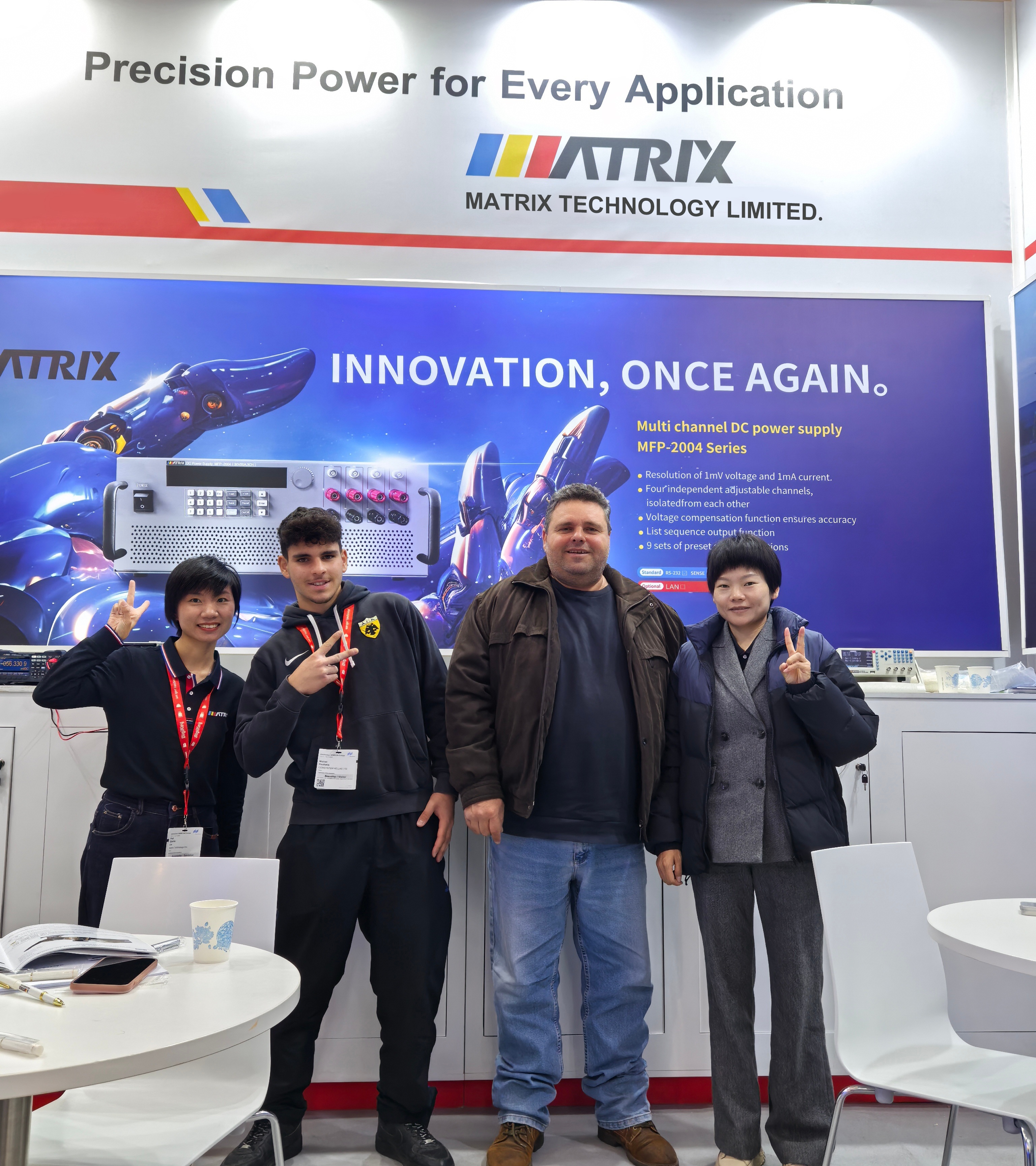 German Industrial Expo
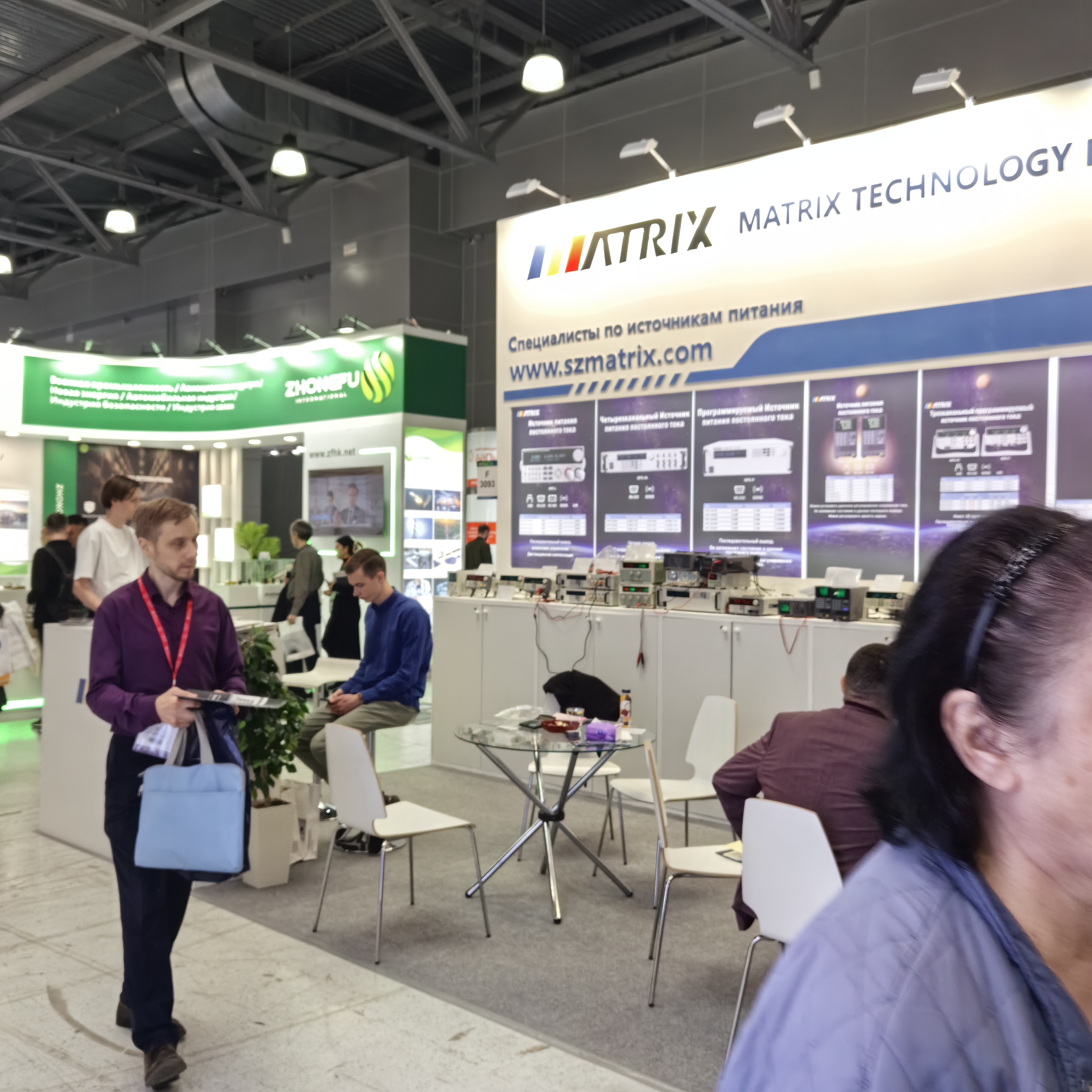 EXPO ELECTRONICA
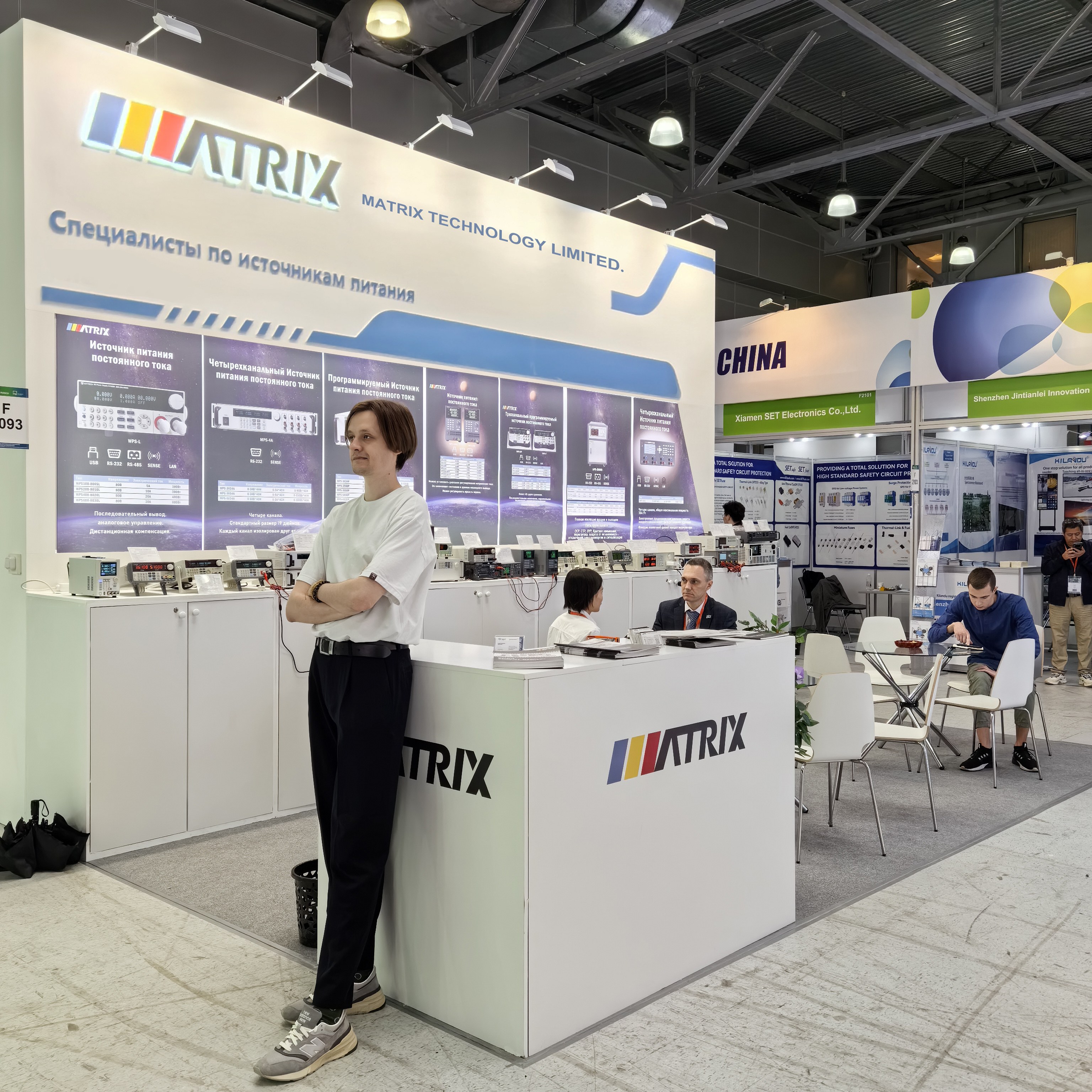 Electronics Russia
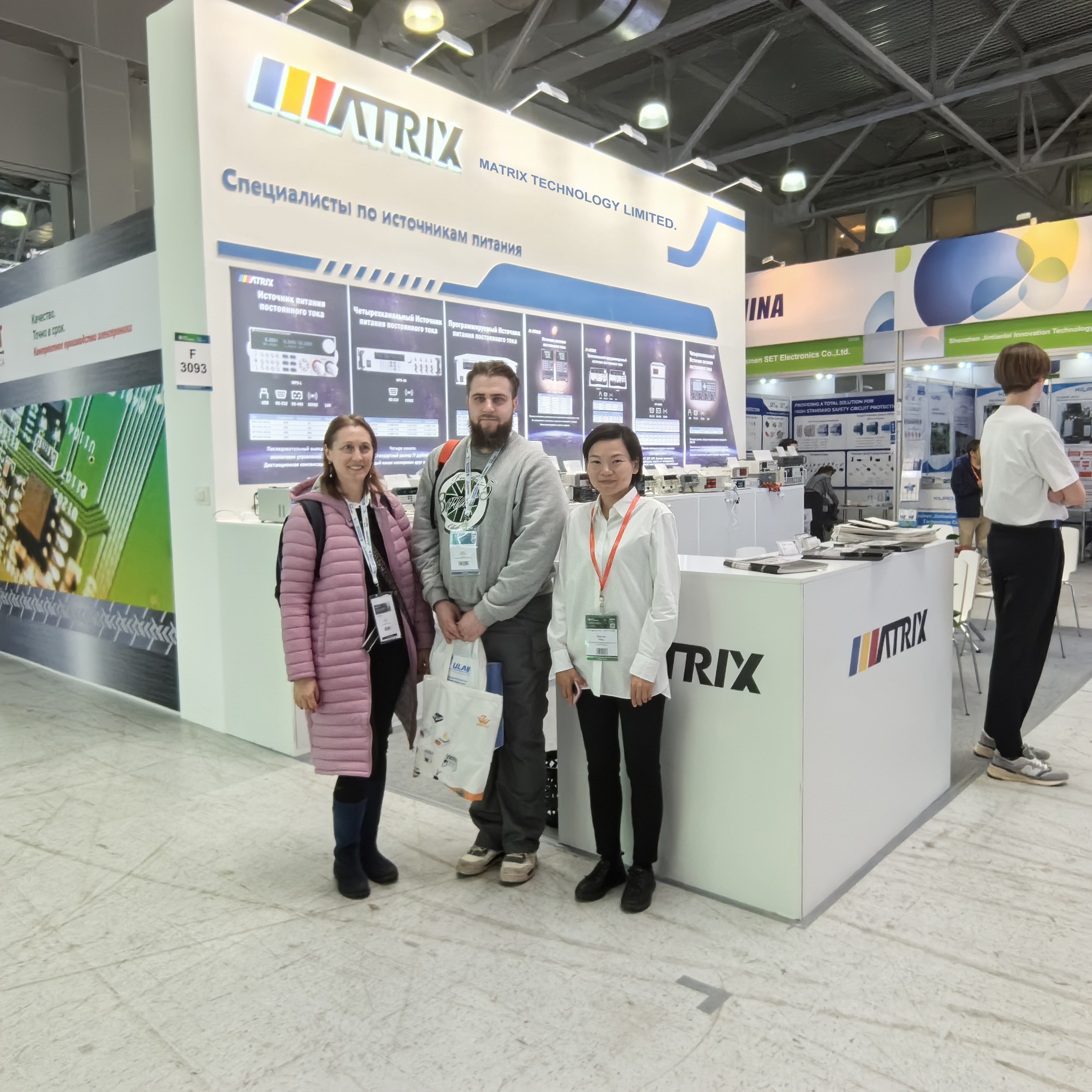 International Pavilion
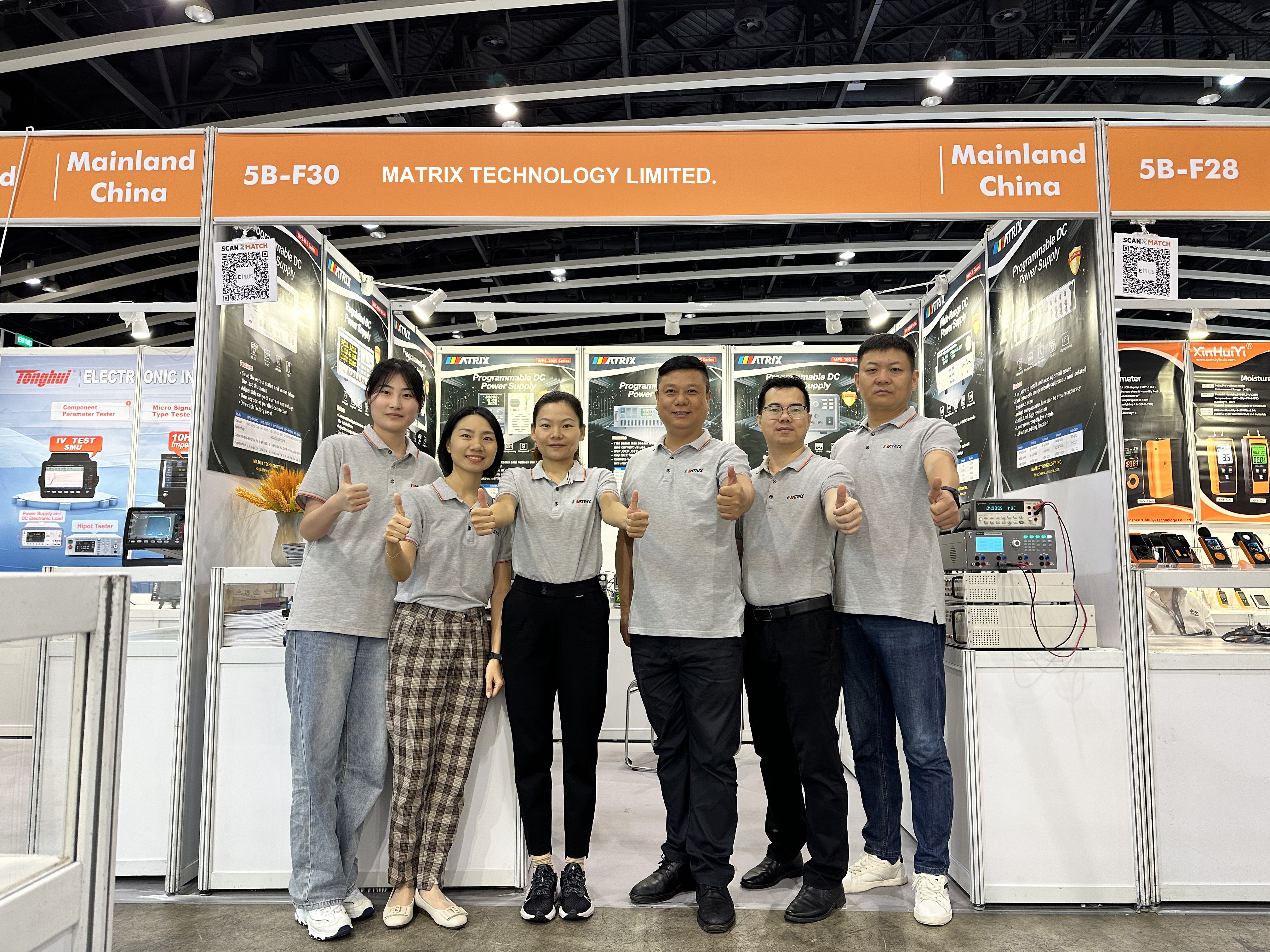 electronicAsia HK
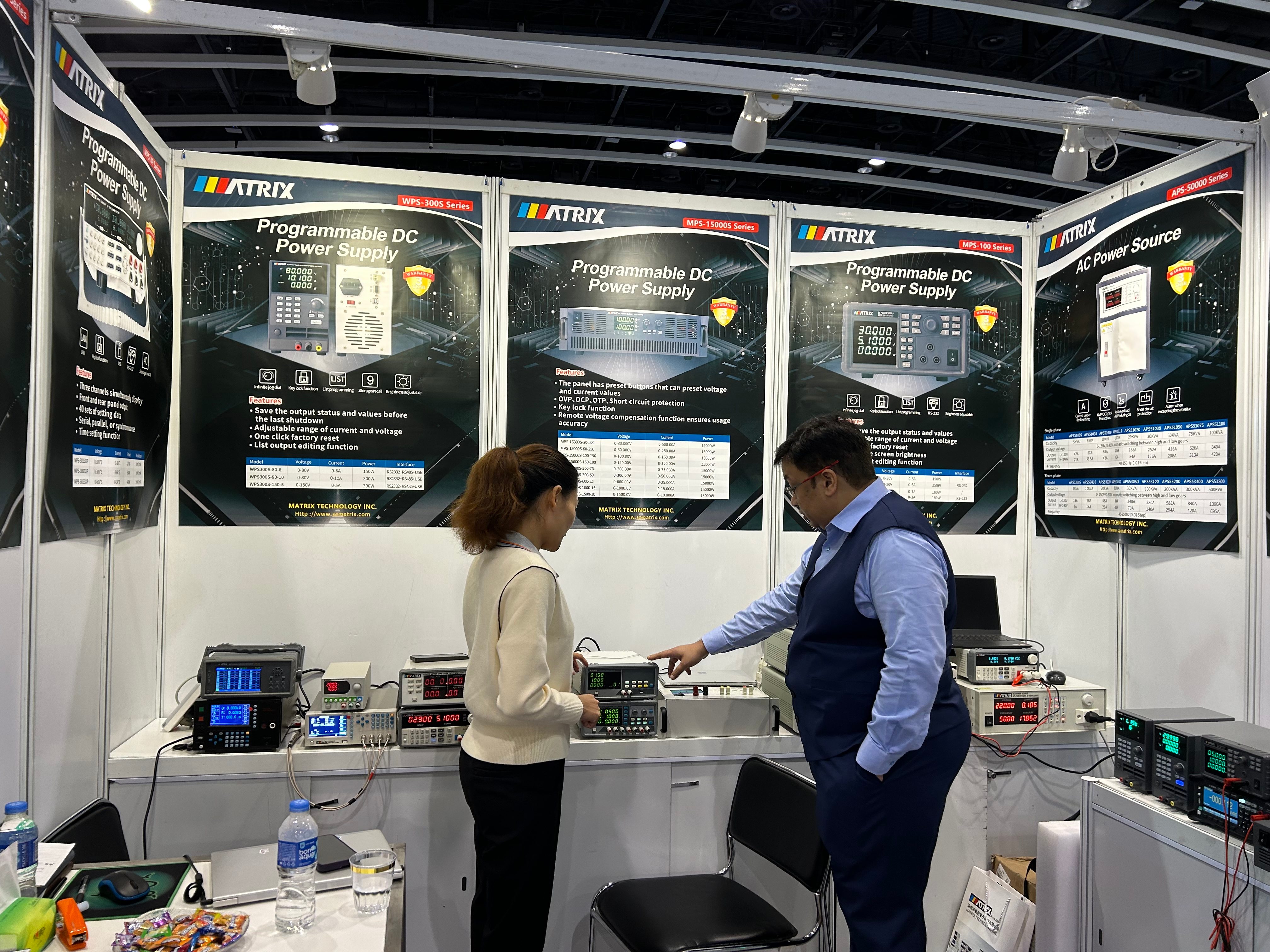 Asia Tech Summit
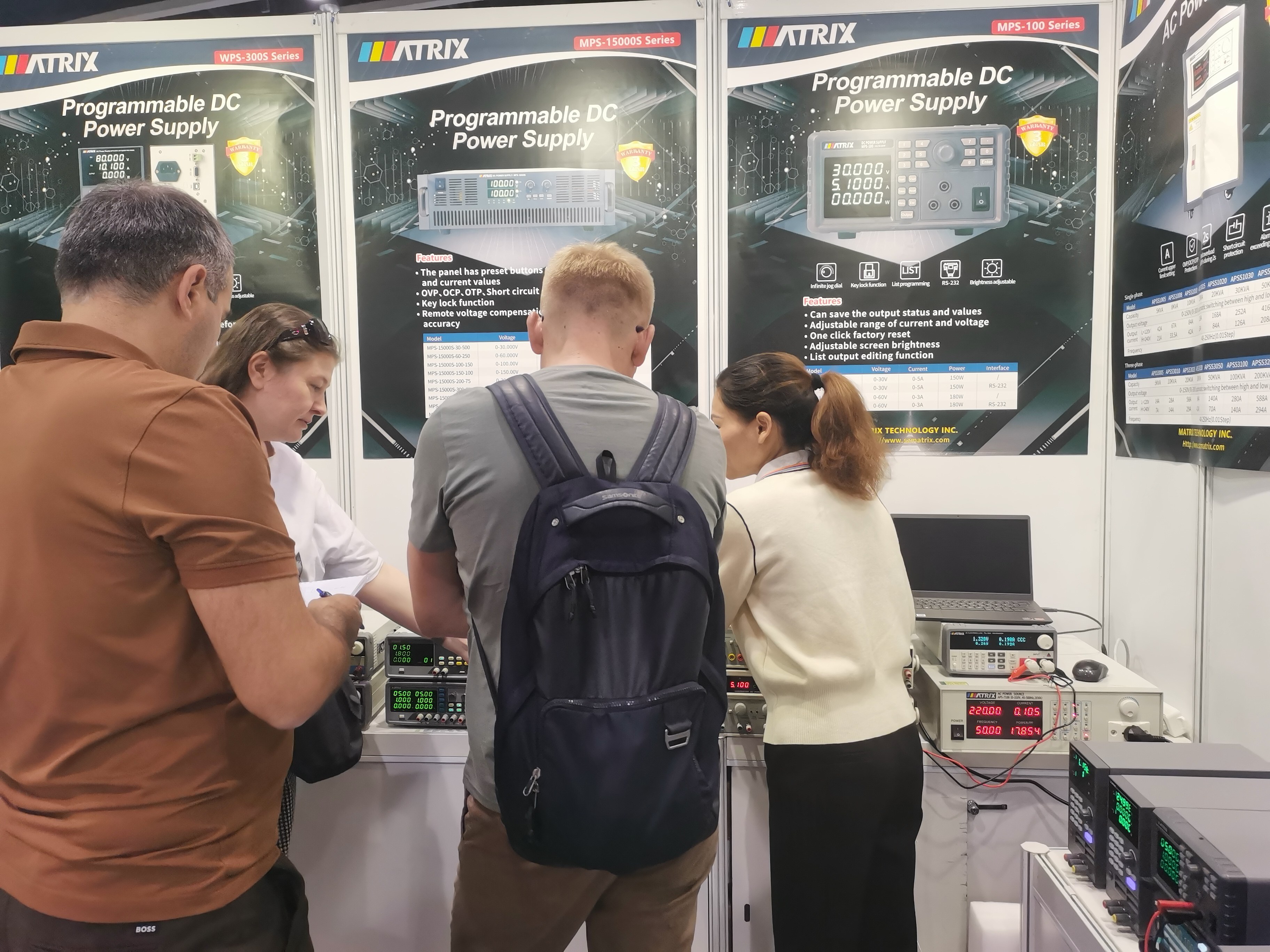 Global Components Fair
Global Procurement & Compliance Framework
Accuracy & Standards
When sourcing, ensure meters meet IEC 62053-22 Class 0.2S for revenue-grade billing or Class 0.5 for standard industrial monitoring. Compliance with IEEE 519 for harmonic limits is critical.
Localized Support
Suppliers like Matrix Power provide technical localization, ensuring communication protocols (Modbus TCP/RTU, Profibus, MQTT) align with regional automation standards.
ROI Verification
Modern procurement demands "Information Gain." Request detailed software analytics that demonstrate how the PF meter will pay for itself via reduced utility kVAR charges within 12-18 months.
Frequently Asked Questions (FAQ)
A: Displacement PF only accounts for the phase shift between voltage and current. Total Power Factor includes the effects of harmonic distortion (THD). Modern electronic meters measure Total PF, which is essential for facilities with many computers or LED lighting.
A: These certifications guarantee that the manufacturing process is consistent (ISO) and the product meets rigorous safety and electromagnetic compatibility standards (CE/RoHS), reducing the risk of equipment failure or site accidents.
A: Yes, high-precision DC sources (like those from Matrix Power) are often used in the laboratory to simulate various load conditions and calibrate the sensors used within PF meters and inverter systems.