Precision Power Engines for Thermal Metrology Calibration
Explore the industry's leading high-precision programmable and linear DC power sources, serving as the foundational power core for global temperature calibration labs and equipment.
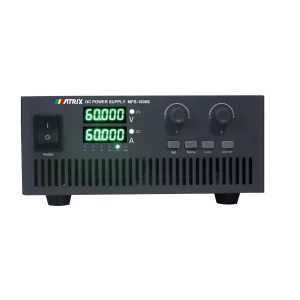
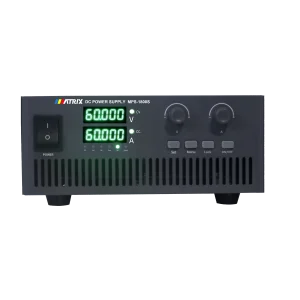
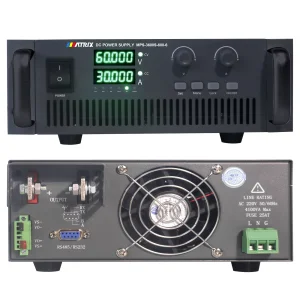
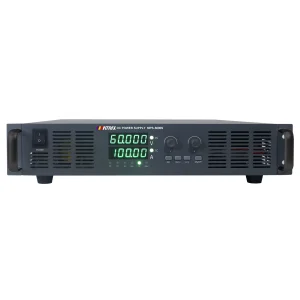
Executive Summary: Sourcing Temperature Calibration Systems
Sourcing Key Drivers
- Thermal Stability: Target resolution of <±0.01°C, which requires power supplies with ultra-low ripple voltage (under 1mV RMS).
- Automated Protocols: RS232, RS485, and Ethernet connectivity for integration with automated calibration software (e.g., Fluke MET/TEMP).
- Traceable Standards: Equipment must support direct traceability to international bodies (NIST, DKD/PTB, NIM) under ISO/IEC 17025 standards.
- Multi-Zone Control: High-power multi-channel DC power delivers independent, programmable current loops to eliminate gradients in multi-zone calibration wells.
Why Ultra-Stable DC Power is Non-Negotiable in Temperature Calibration
Analyzing the physics of thermal calibration and how low-noise DC instrumentation guarantees accuracy.
Eliminating Thermal Drift
Dry-well and micro-bath heaters rely on PID controllers driving Peltier elements. Ripple voltage or transient spikes in the power supply disrupt the PID loop, creating thermal micro-oscillations that render high-precision RTD and thermocouple measurements unreliable.
Programmable Profile Control
Advanced temperature calibration cycles require programmable temperature steps. Modern programmable power sources allow laboratory computers to configure automated ramps, dwell periods, and shutoffs using SCPI commands over RS232, RS485, and USB interfaces.
Reliability & Protection
Calibration systems run continuously for 24 to 72 hours. Built-in Over-Voltage Protection (OVP), Over-Current Protection (OCP), and Over-Temperature Protection (OTP) prevent accidental overshoots that can destroy expensive standard platinum resistance thermometers (SPRTs).
"In the metrological hierarchy, the stability of the excitation power source dictates the absolute ceiling of measurement uncertainty. Without sub-millivolt power resolution, achieving the target uncertainties required for aerospace (AMS2750G) and clinical pharmaceutical storage validation is physically impossible."

China Factory 4.0: Supply Chain Resilience & Metrological Prowess
Technology Roadmap & Future Outlook of Temperature Calibration
How the convergence of semiconductor technology, smart sensors, and advanced power management is shaping the next generation of metrology instruments.
Smart Automated Calibration
Integrating calibration furnaces with localized programmable DC supplies. Utilizing RS485 networks to enable daisy-chained communication, allowing high-throughput multi-channel sensor testing without central PC bottlenecking.
Wide Bandgap (GaN/SiC) Switching
Adopting Gallium Nitride (GaN) and Silicon Carbide (SiC) switches inside programmable DC units. This transition reduces physical chassis footprints by up to 40% and achieves efficiencies above 93%, directly mitigating thermal dissipation inside metrology labs.
Metrology-IoT & Cloud Diagnostics
Cloud-calibrated networks and automated digital twin simulation of thermal profiles. Real-time predictive health monitoring of dry block heaters, calculated based on the precision current draw profiles analyzed by edge computing components.
Macro-Industry Calibration Solutions
Different industries demand distinct parameters. This comparative matrix details how different sectors match thermal and electrical specifications.
| Target Industry | Critical Thermal Equipment | Required Power Specifications | Standards & Compliance |
|---|---|---|---|
| Aerospace & Defense | AMS2750G Calibration Furnaces, Thermocouple Chambers | Low-noise DC, High Isolation Voltage, Programmable current loops | ISO/IEC 17025, AMS2750G, NIST Traceable |
| Pharmaceuticals | Validation Dry Blocks, Stability Incubator Calibrators | High reliability, Ethernet SCPI programming, stable output | FDA 21 CFR Part 11, GAMP 5, CE |
| Semiconductor Fab | Wafer Thermal Chuck Calibrators, Fast-ramp chambers | High-Power (3.6kW+), rapid transient recovery time (<50µs) | SEMI S2/S8, RoHS, CE |
| Automotive & EV | Battery Pack Thermal Management Calibrators, Chamber Control | High-voltage DC (up to 2000V), bidirectional power absorption | ISO 26262, CE, RoHS |
Global Sourcing Strategy: Auditing Your Supplier
A structured approach for international sourcing managers evaluating temperature calibration equipment factories and critical power suppliers.
Quality & Technical Capabilities
Compliance, Export & Certification
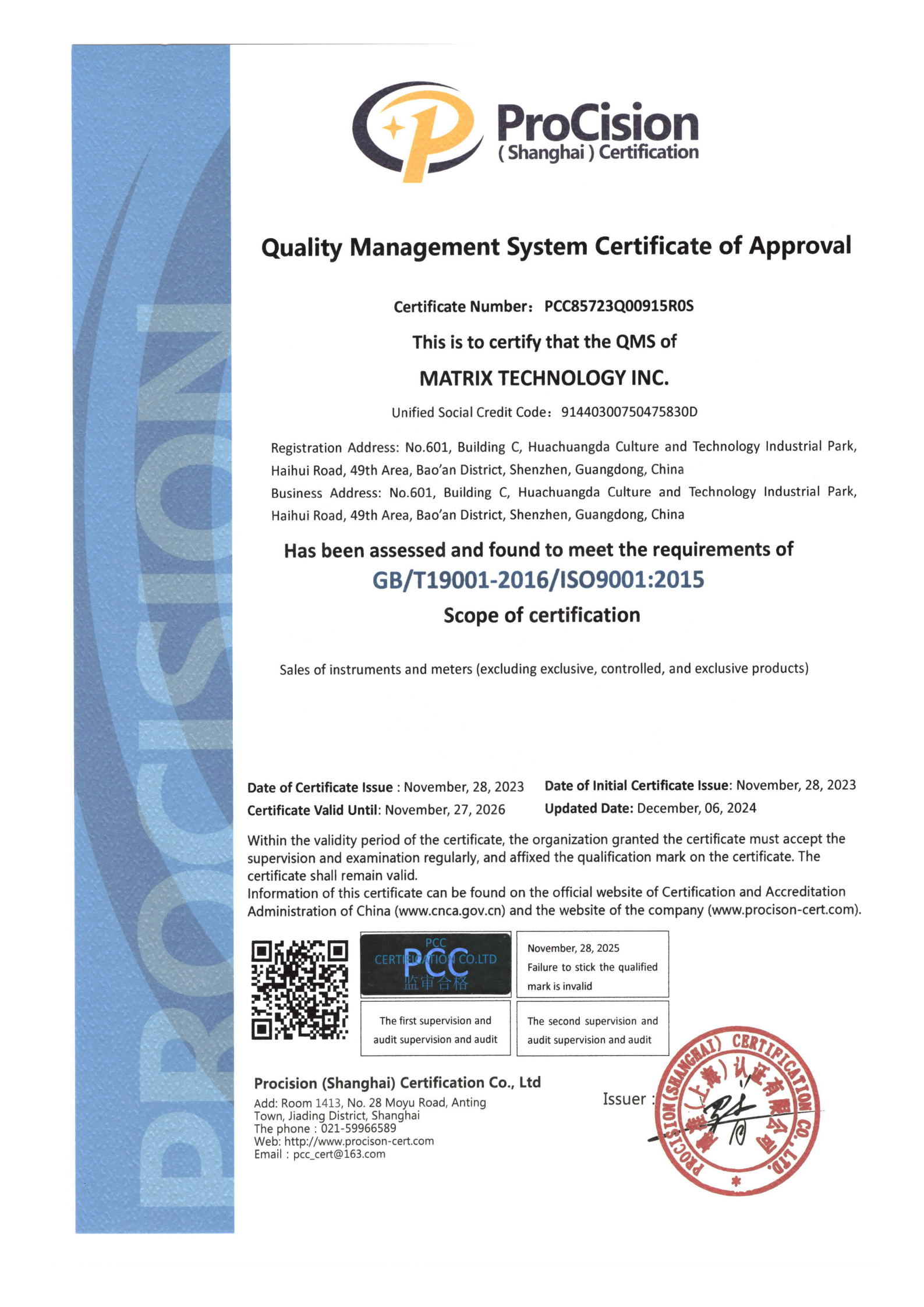
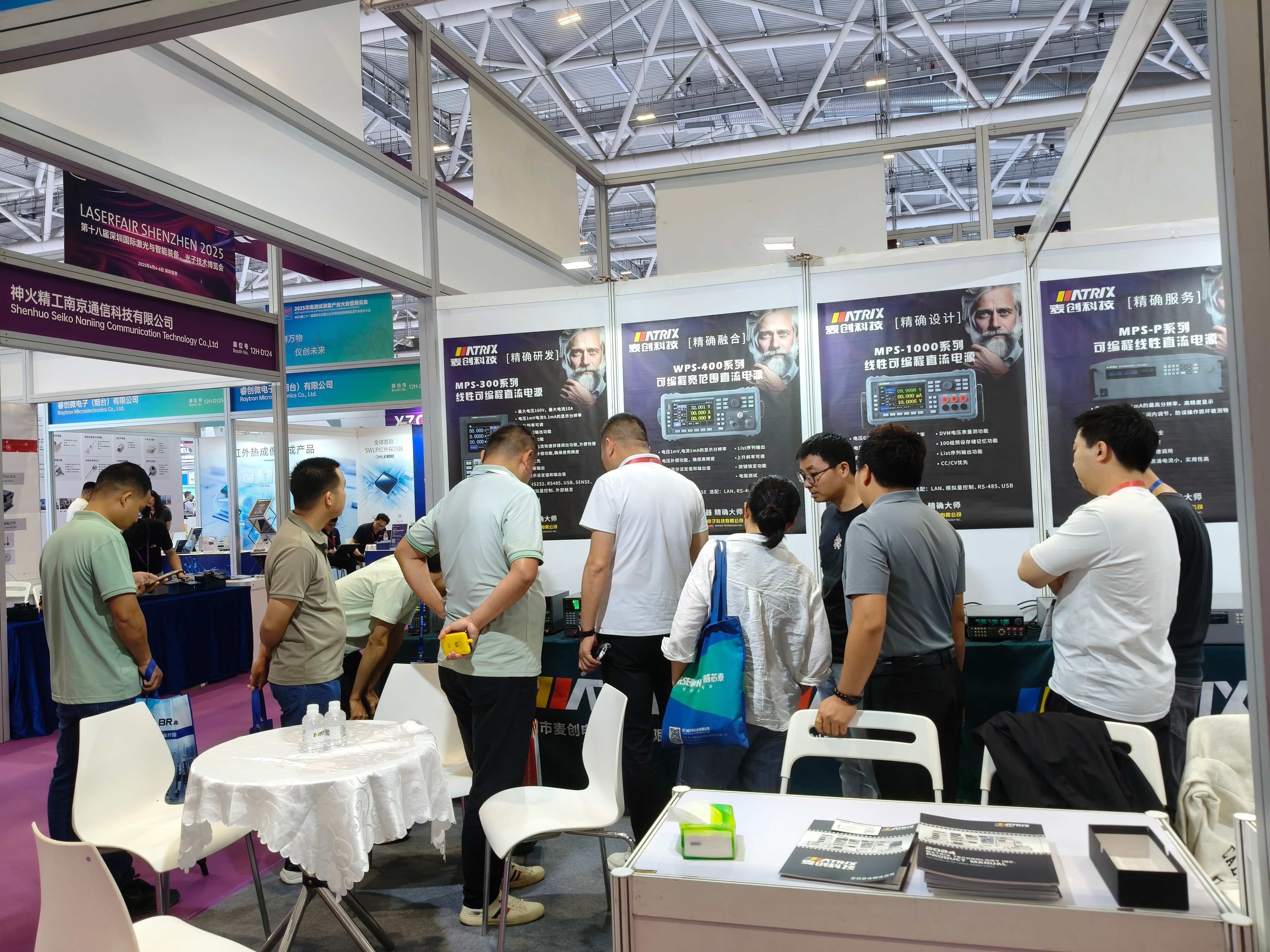
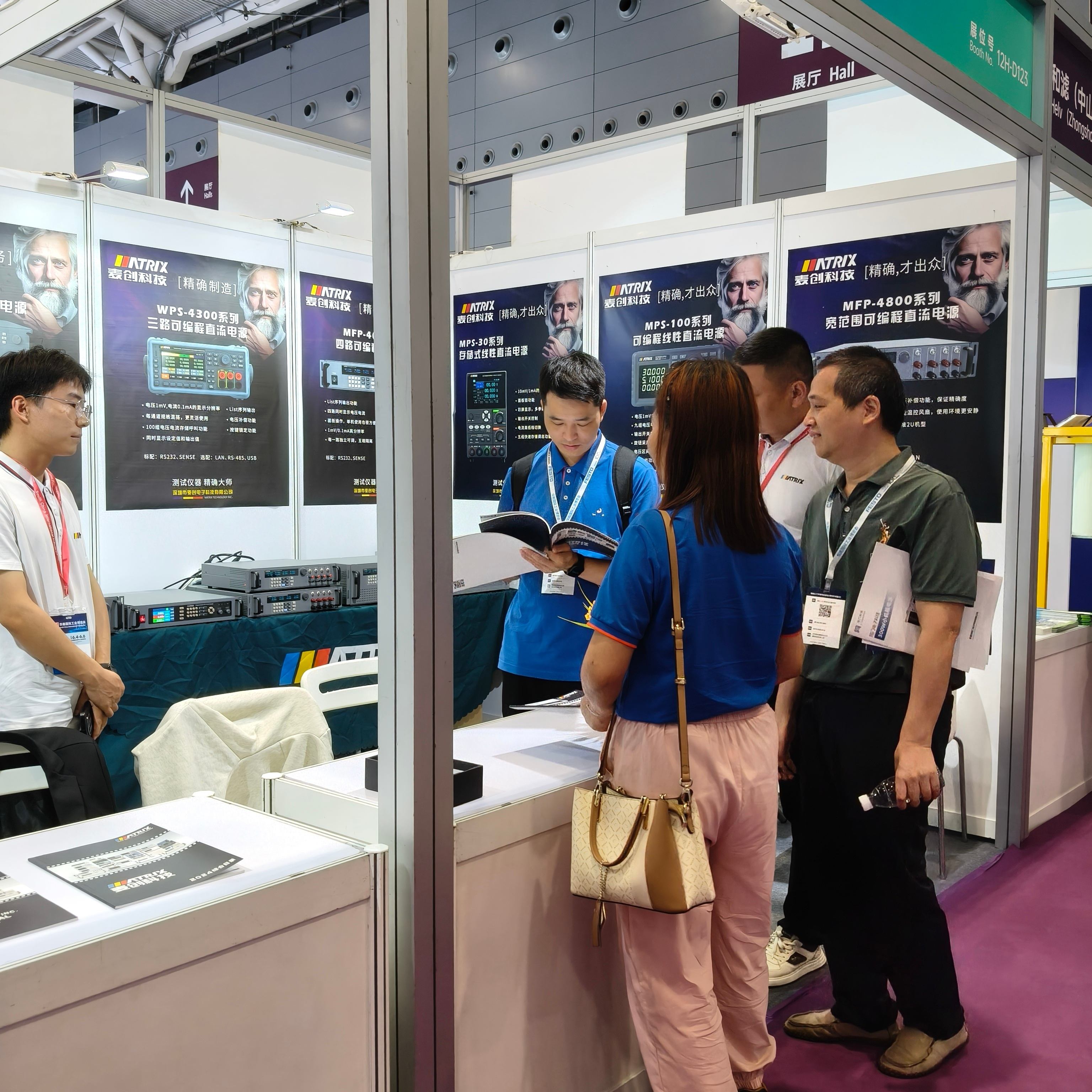
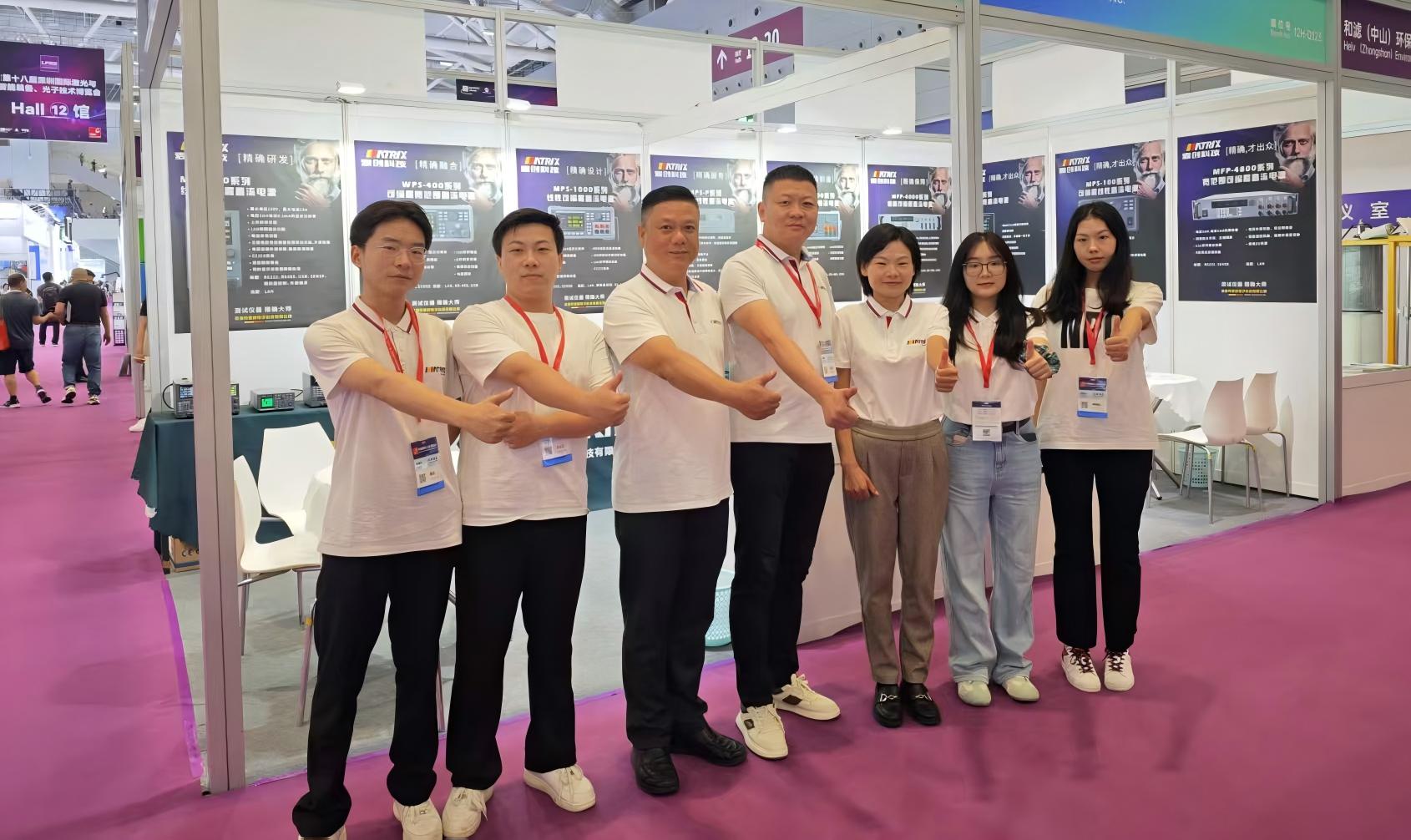
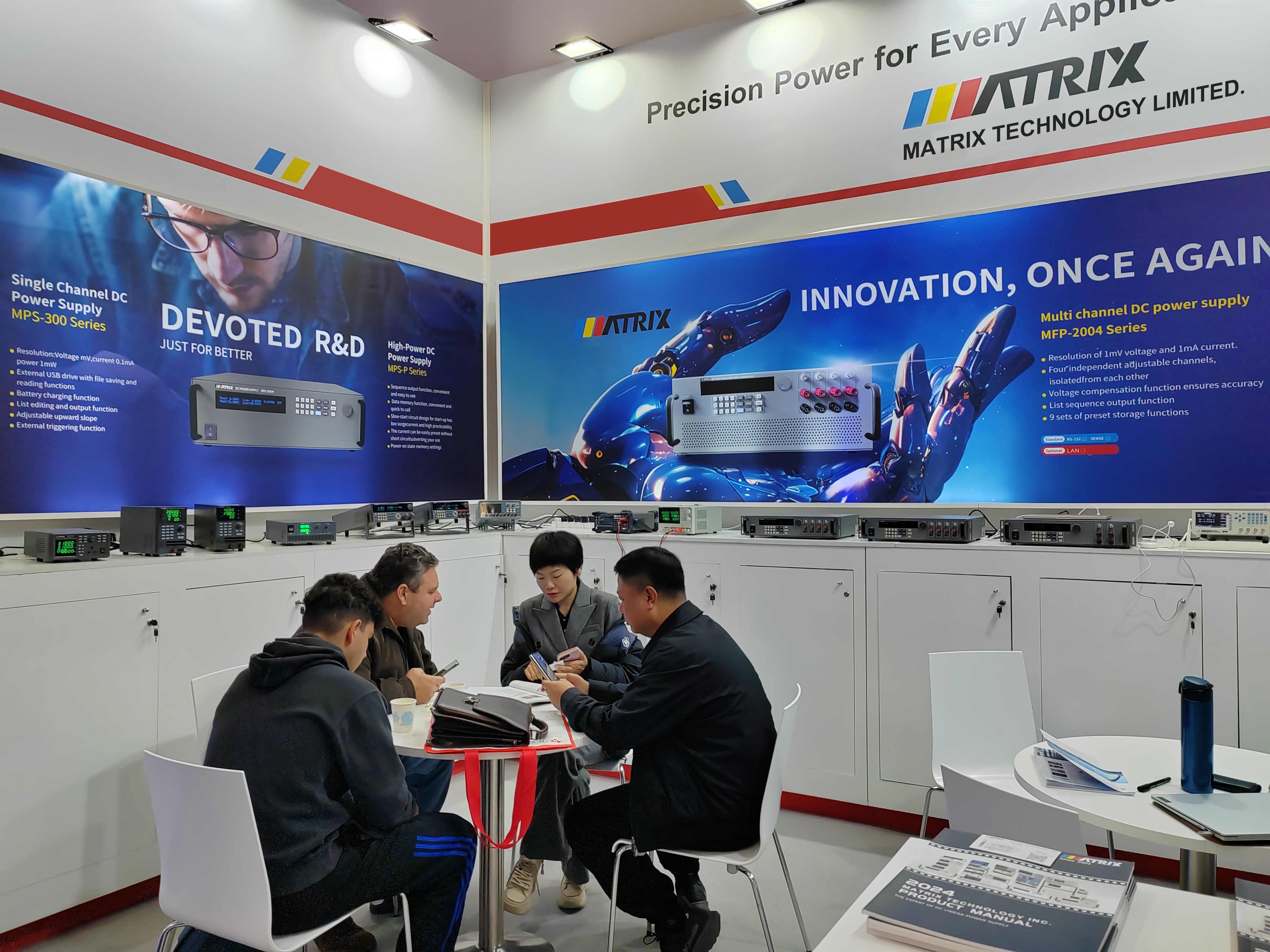
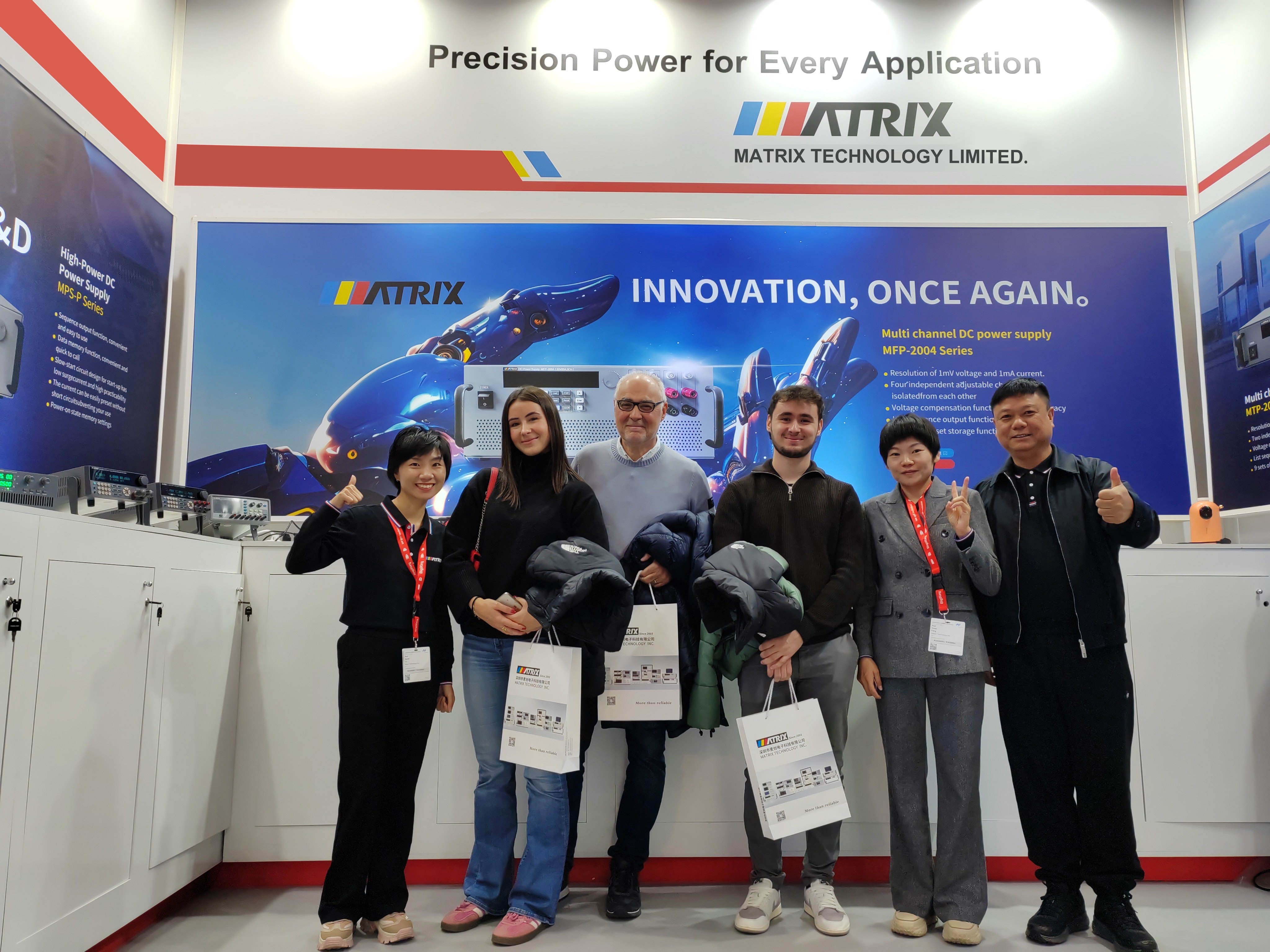
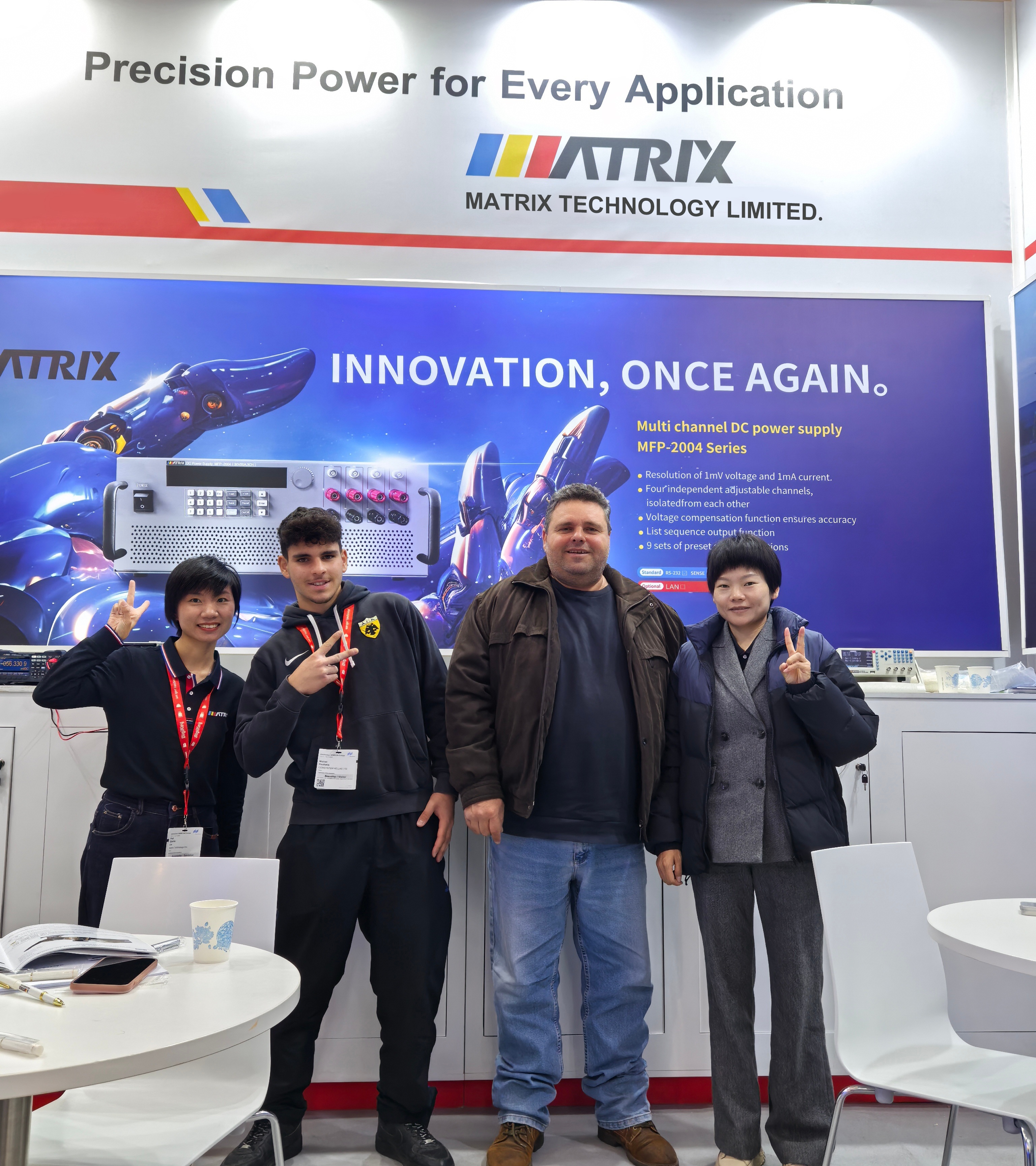
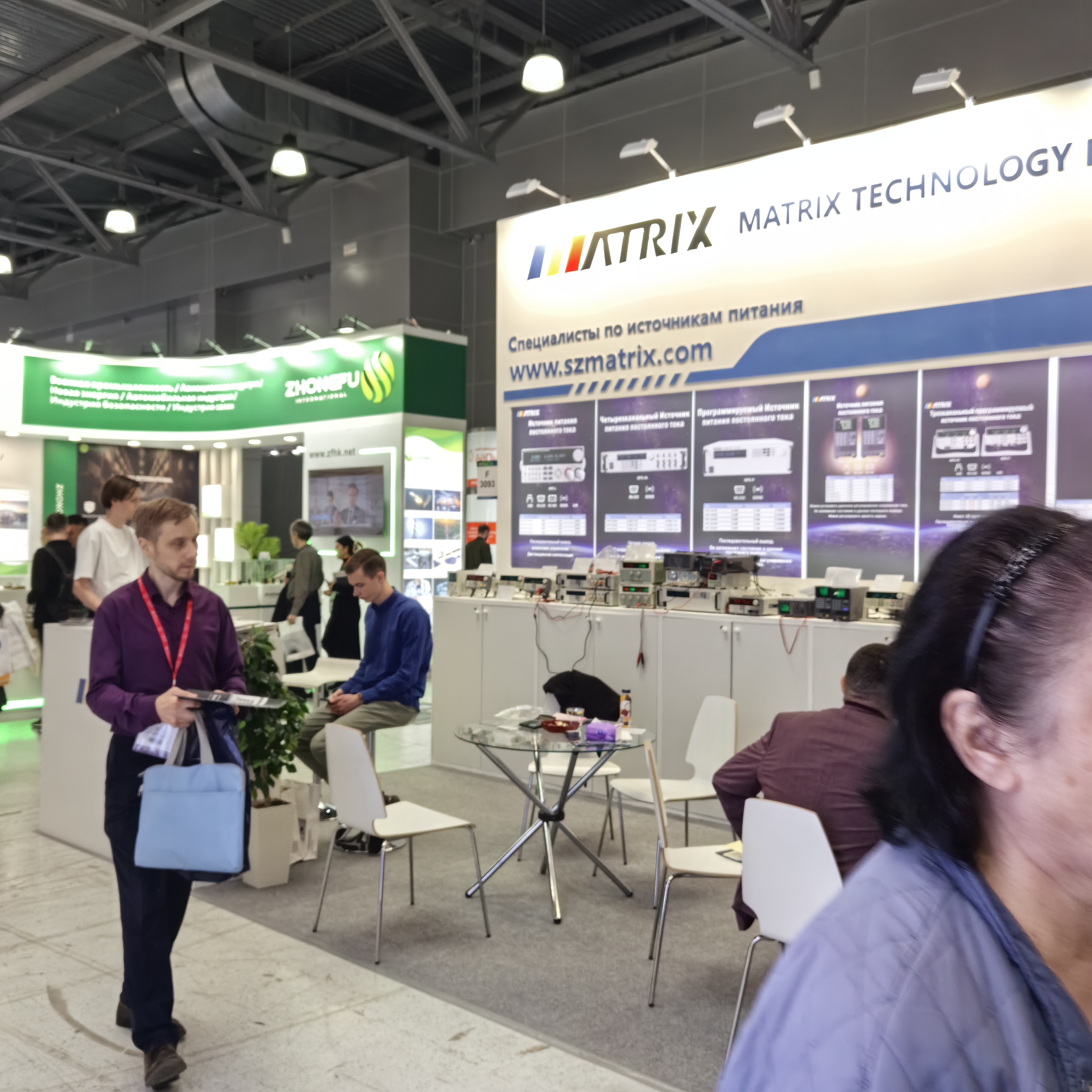
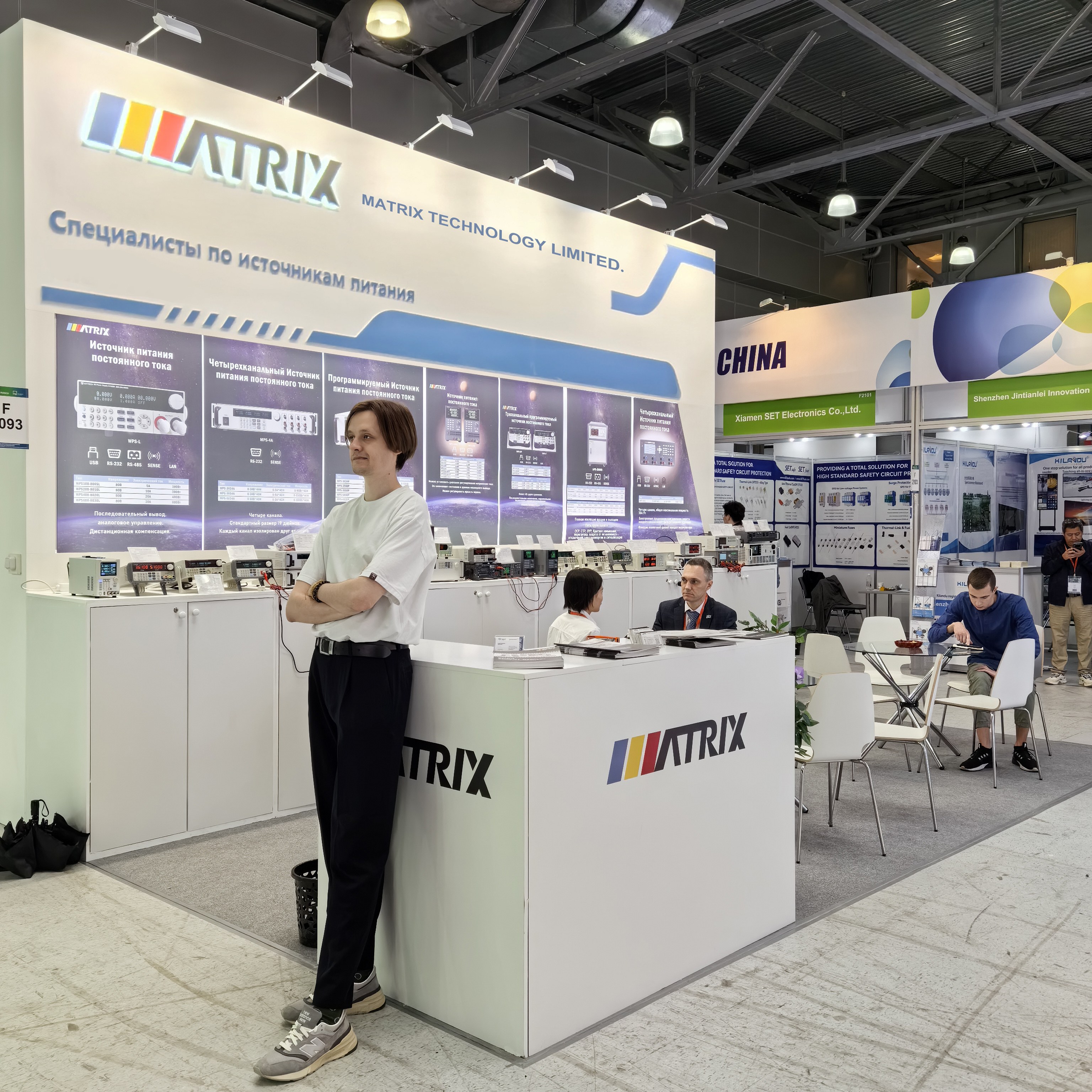
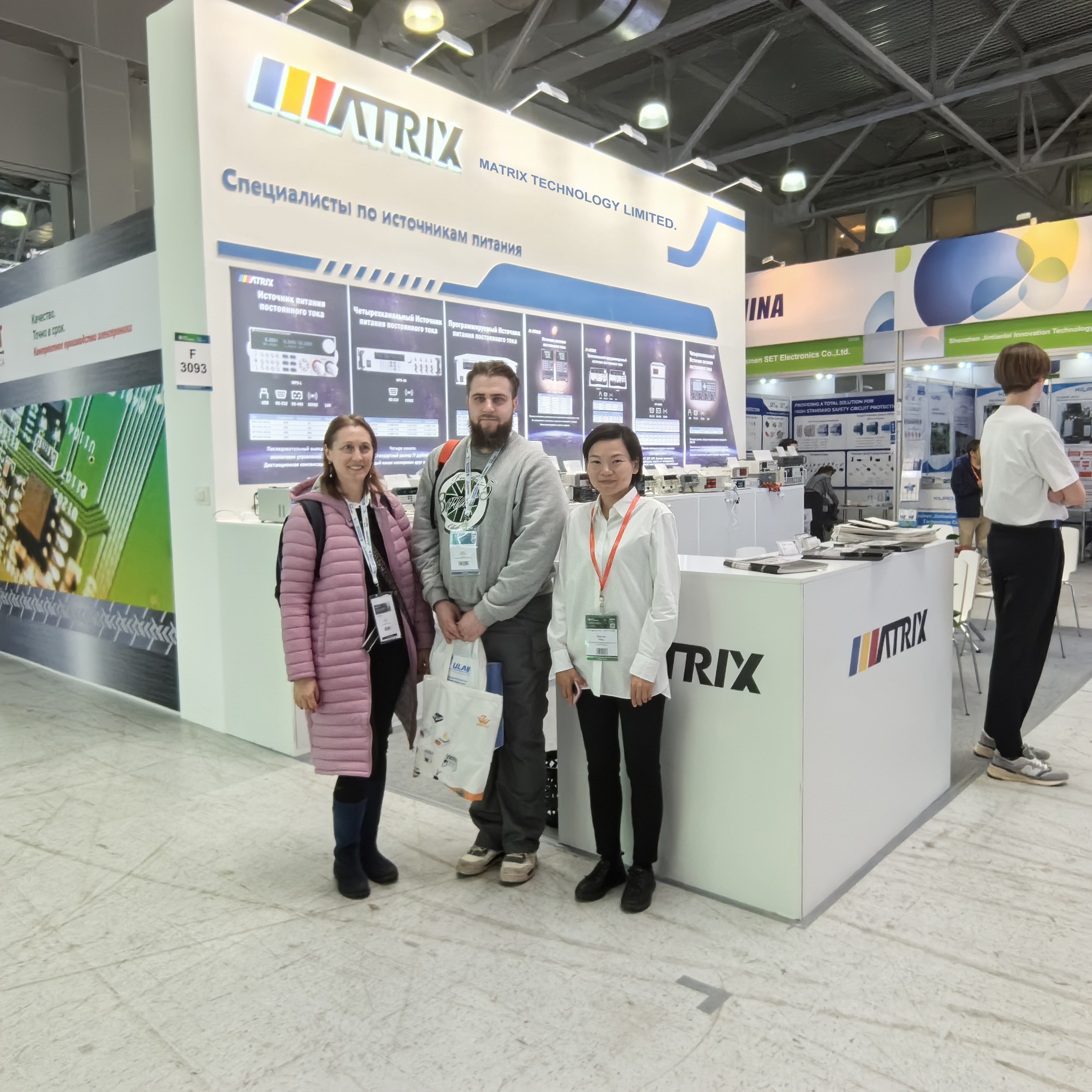
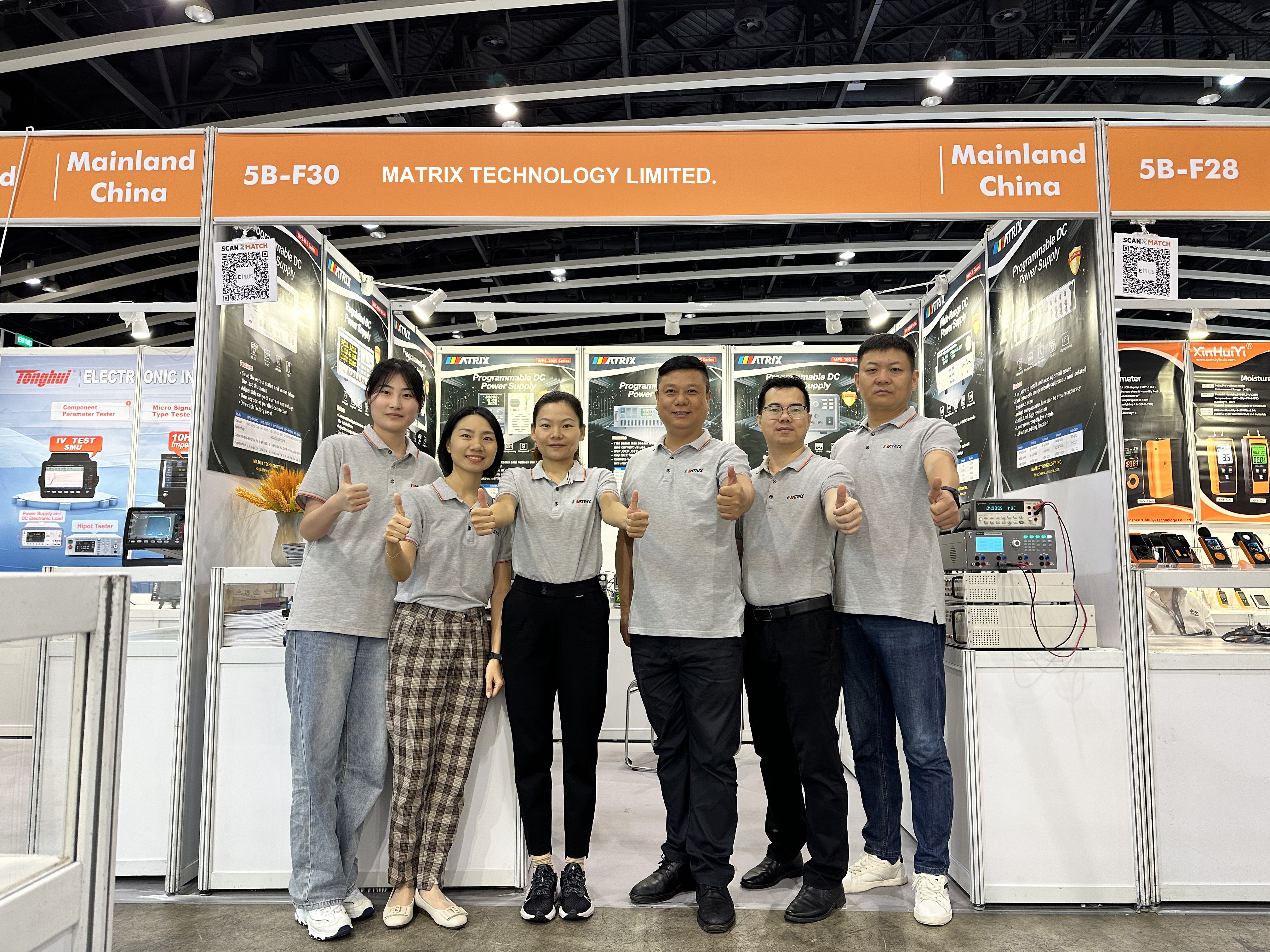
Global Footprint & Authorized QA Standards
A visual summary of Guangzhou Matrix Power Technology Limited's active presence in leading international testing, measurement, and electronic design exhibitions.




Expert Metrology Q&A (FAQ)
Answering high-intent questions from laboratory managers and procurement officers regarding temperature calibration infrastructure.
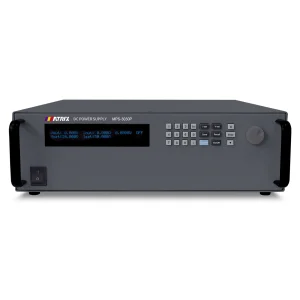
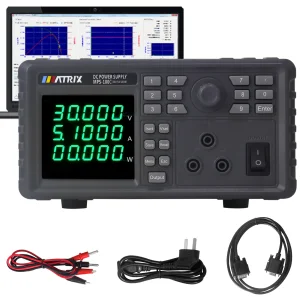
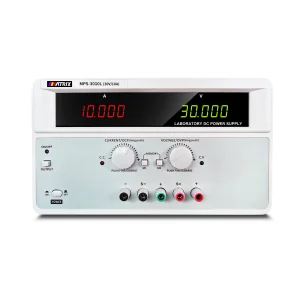
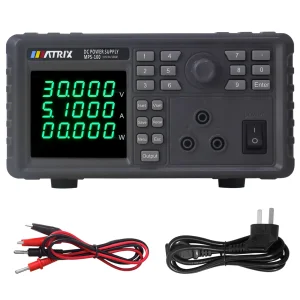
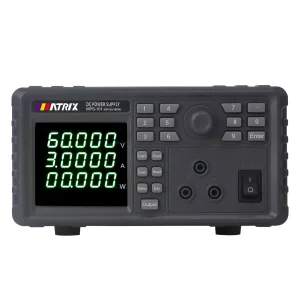
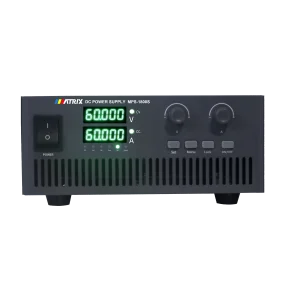
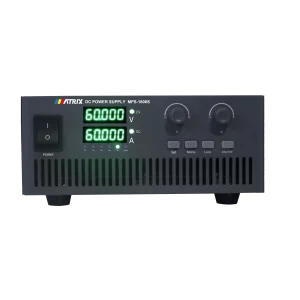
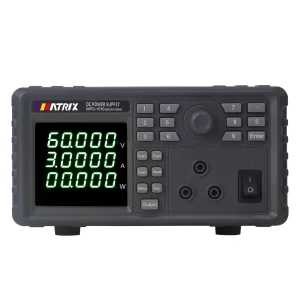
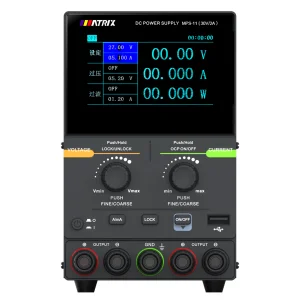
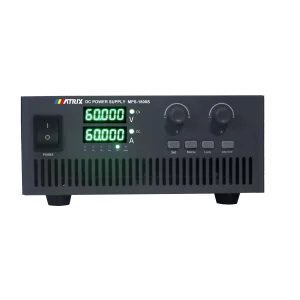
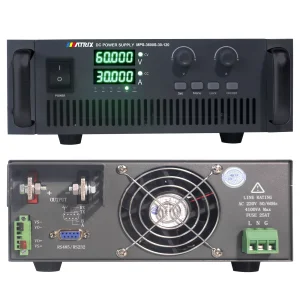
Highly Reliable Metrology Bench Power Supplies
Discover the linear and programmable power configurations optimized for high-sensitivity thermocouple, RTD, and pyrometer calibration systems.