Deep Analysis: Sourcing High-Performance Transient Generators & Stable Power Technologies
In the modern electrical and electronics manufacturing ecosystem, transient immunity stands as the ultimate test of product durability, compliance, and systems integration safety. Electrical transients—brief, volatile surges in voltage or current—can wreak havoc on integrated circuits, telecommunication lines, smart grid components, and industrial control machinery. To evaluate how device components handle these sudden bursts, electrical engineers rely on Transient Generators. These highly specialized systems replicate lightning electromagnetic pulses (LEMP), electrostatic discharges (ESD), electrical fast transients (EFT/burst), and power lines switching fluctuations.
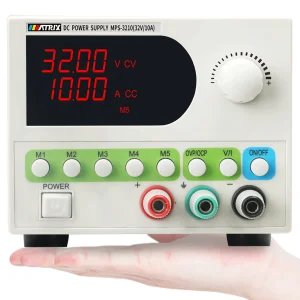
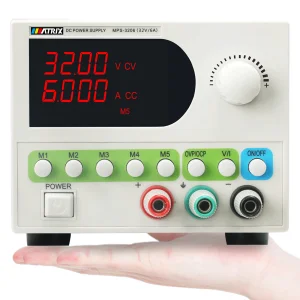
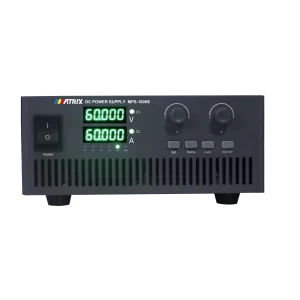
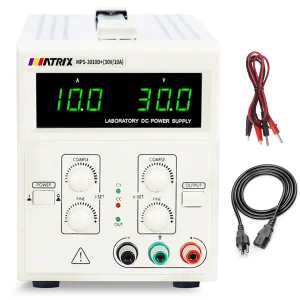
However, running precise transient simulations requires more than just generating pulses. A transient test bench is incomplete without a highly stable, programmatically controlled bias power source. This is where Guangzhou Matrix Power Technology Limited bridges the gap, supplying state-of-the-art programmable DC regulated power supplies and high-power AC sources. These units act as the bedrock for transient testing rigs, simulating the operating power environment of the Device Under Test (DUT) while withstanding high-energy feedback spikes.
Why Power Integration Matters for Transient Compliance
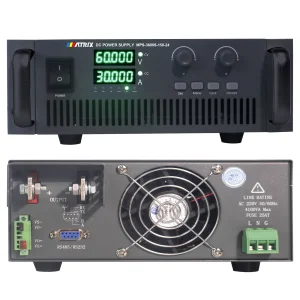
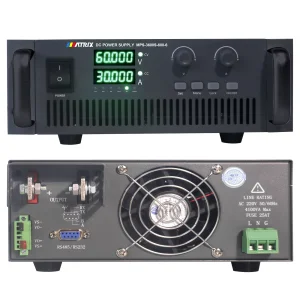
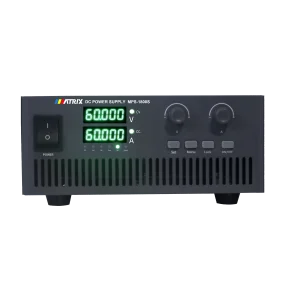
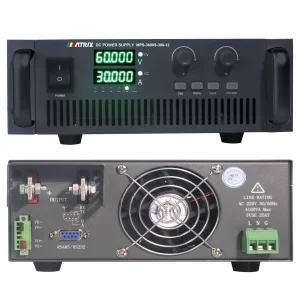
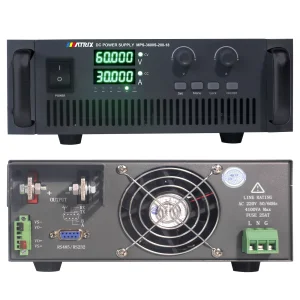
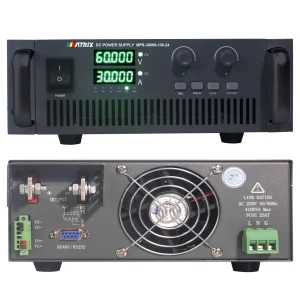
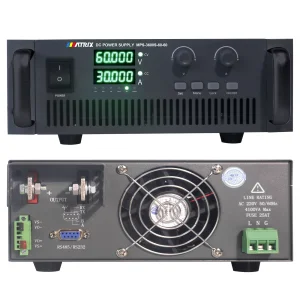
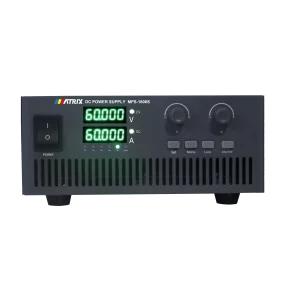
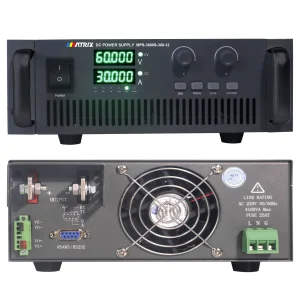
When simulating voltage fluctuations or transient bursts according to strict international test parameters (such as the IEC 61000-4 family or ISO 7637 automotive guidelines), the DUT must be powered by a source that exhibits absolute regulation. Under transient shock, the feedback of current spikes back to the DC power supply can cause cheaper power sources to fail, shutdown, or display massive ripple currents. Utilizing high-stability systems like the MATRIX 3600W 300V Adjustable Digital DC Power Supply ensures stable voltage bias, allowing the transient simulator to capture true electromagnetic vulnerability data without power supply distortion.
Global Industrial Status of Transient Simulation & Power Stability
Worldwide, the demand for electromagnetic compatibility (EMC) and transient immunity testing has reached unprecedented levels. This surge is primarily driven by three macroeconomic trends:
-
The Electrification of Transport: EV drivetrains and battery management systems (BMS) are susceptible to microsecond electrical transients governed by ISO 7637-2/3. Sourcing highly stable testing power is a safety-critical requirement.
-
Smart Grid and Renewable Infrastructure: Solar inverters and grid-tied wind converters must survive lightning surges and grid switching events. Testing requires high-voltage programmable supplies and transient generators.
-
High-Density Industrial Automation: Modern PLC controllers, IoT sensors, and high-precision machinery require high-accuracy switching regulators to protect against electrical fast transients.
Global procurement teams are shifting away from localized, high-markup testing hardware. The focus has moved to manufacturing hubs capable of delivering complex configurations with high reliability, such as China's advanced industrial design zones.

China's Manufacturing & R&D Leadership in Power Instrument Exporting
For two decades, China has evolved from a basic electronic manufacturer into a powerhouse of precision instrumentation design. A prime example is Guangzhou Matrix Power Technology Limited, established in Guangzhou, China, in 2003. As an innovative enterprise specializing in the R&D, production, and sales of high-stability power sources, Matrix Power has successfully exported to more than 80 countries.
Why do global enterprises turn to China for transient testing power equipment and high-precision DC sources? The advantages lie in the integration of design, components, and certification:
1. Complete Vertically Integrated Supply Chain
Guangzhou's tech ecosystem allows for the rapid sourcing of specialized magnetic components, high-current transformers, and state-of-the-art power semiconductors (such as SiC and GaN transistors). This integrated environment dramatically cuts R&D validation cycles, allowing Matrix Power to introduce high-precision products with rapid lead times.
2. Stringent Quality Certifications (ISO 9001, CE, RoHS)
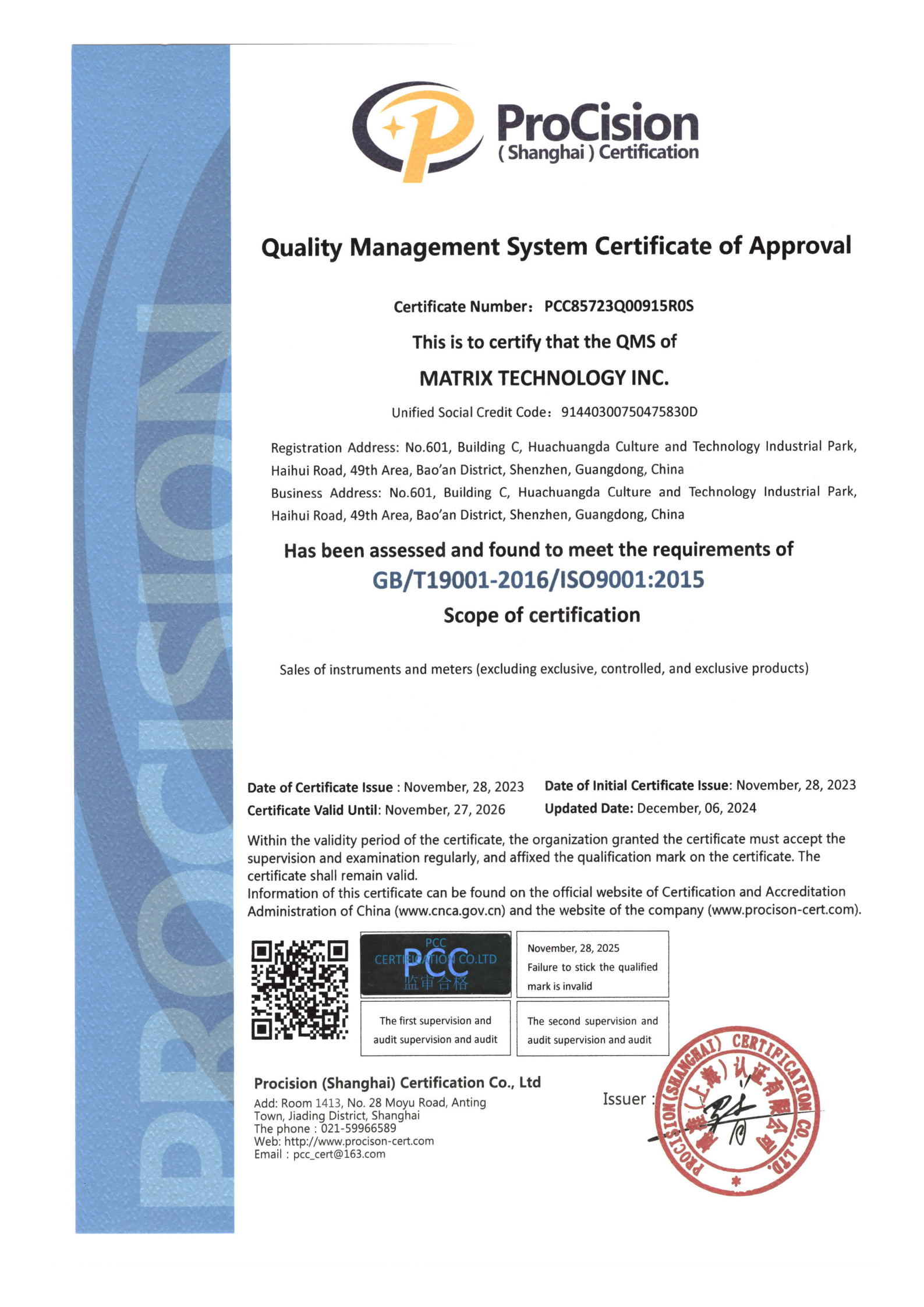
Sourcing from China does not mean compromising on regulatory compliance. Matrix Power maintains an ISO 9001 certified manufacturing plant, ensuring each programmable DC converter meets CE and RoHS standards. These credentials ensure seamless integration into European, American, and Asian test networks without secondary local certifications.

3. Dedicated Engineering & Exhibition Footprint
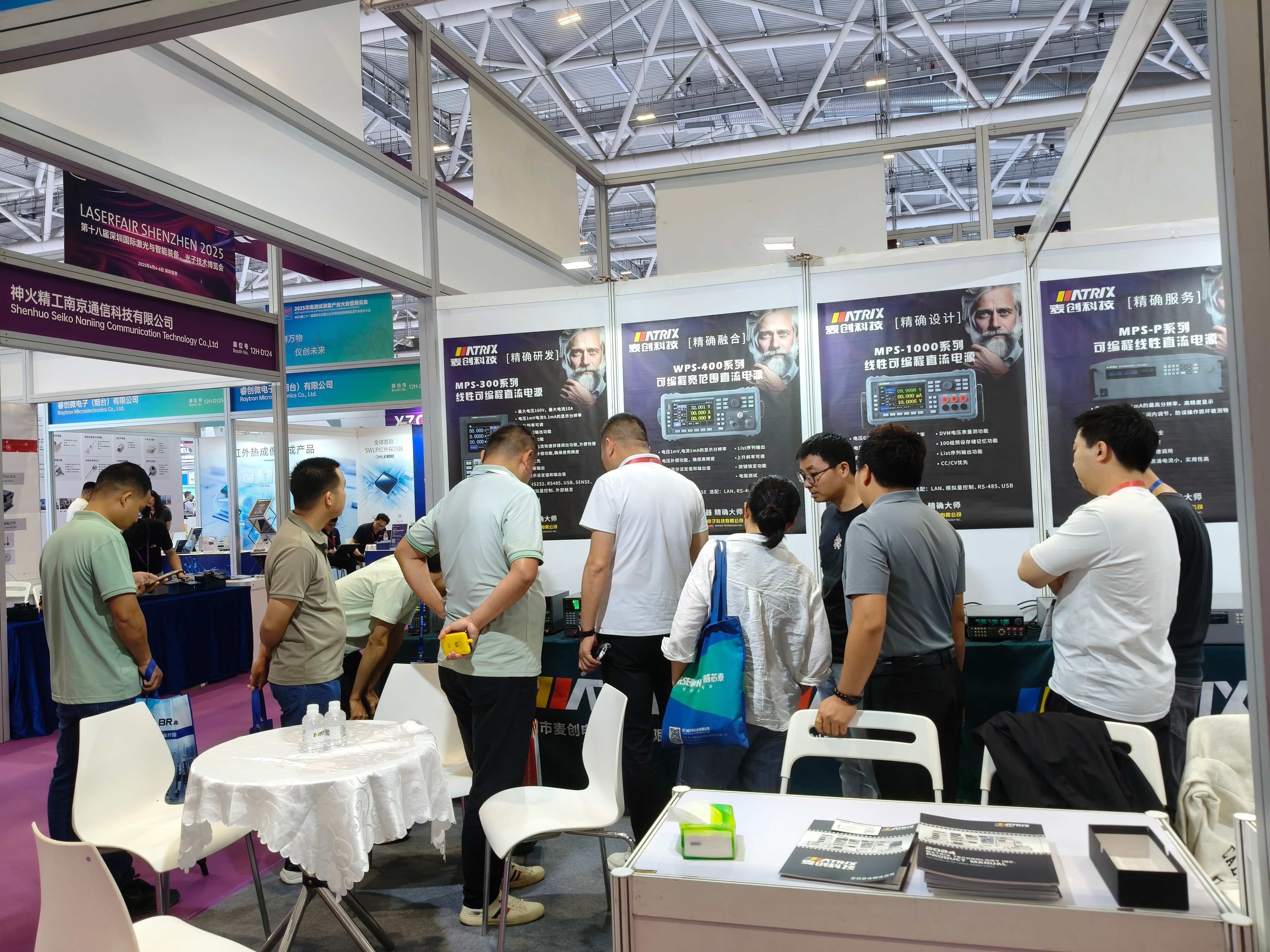
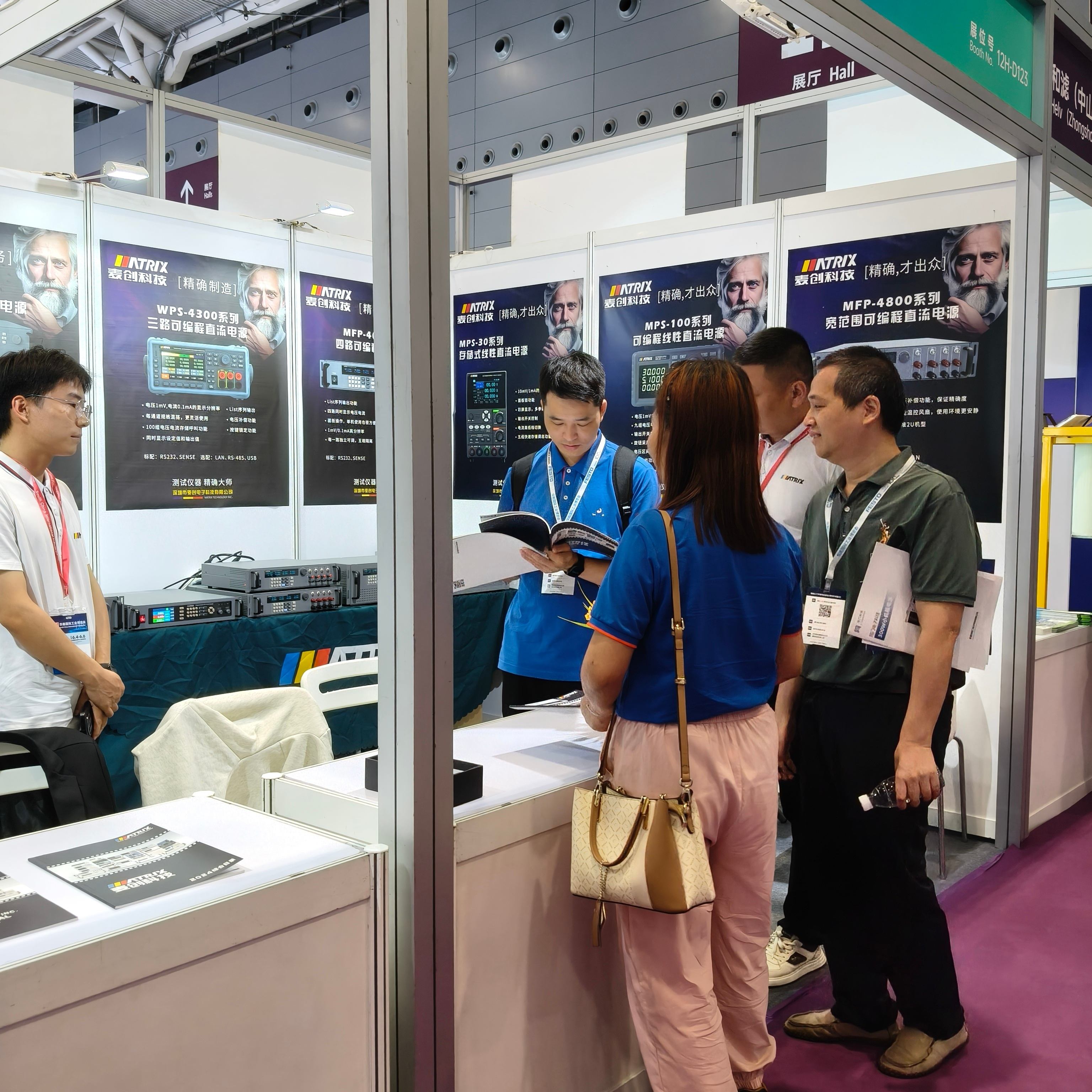
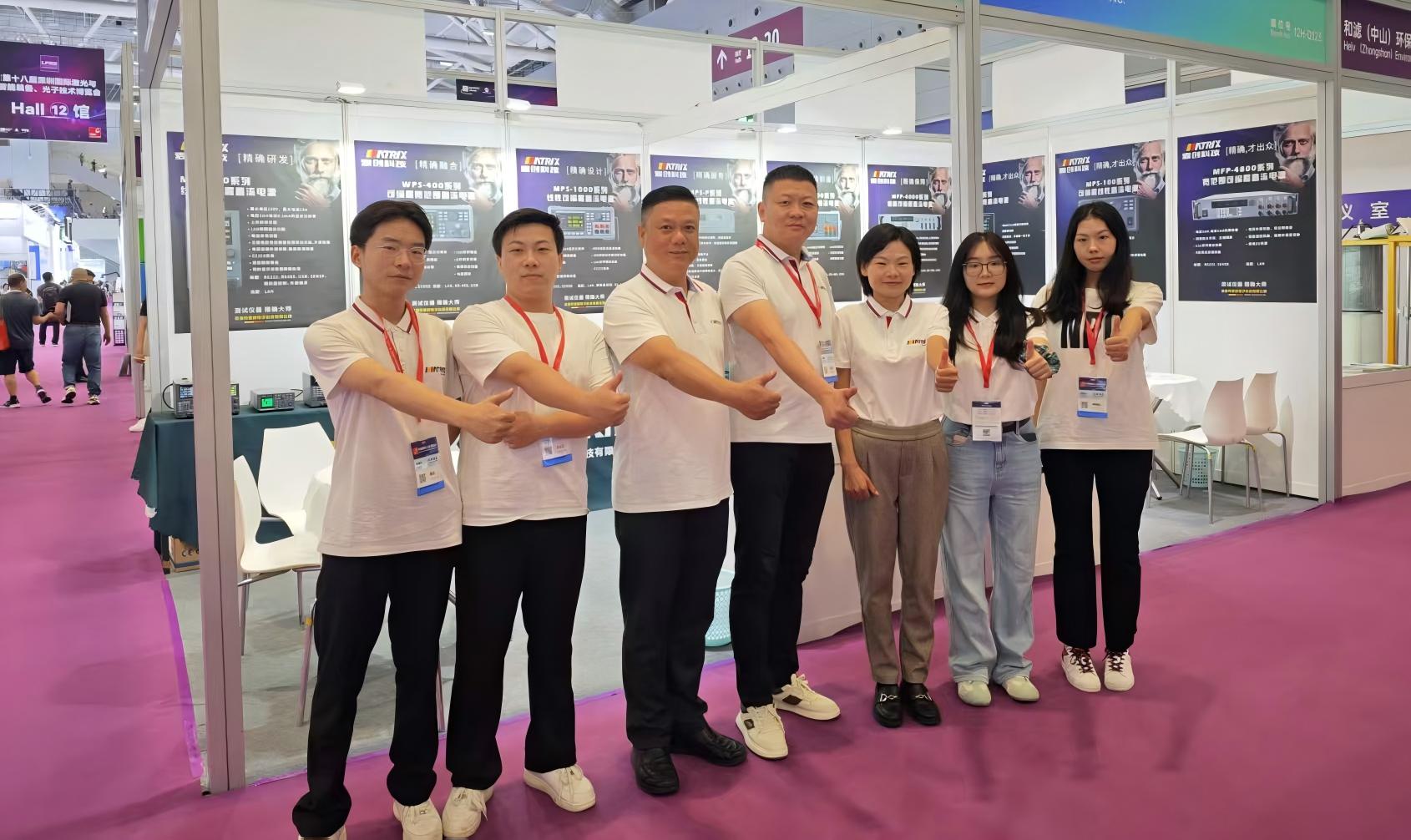
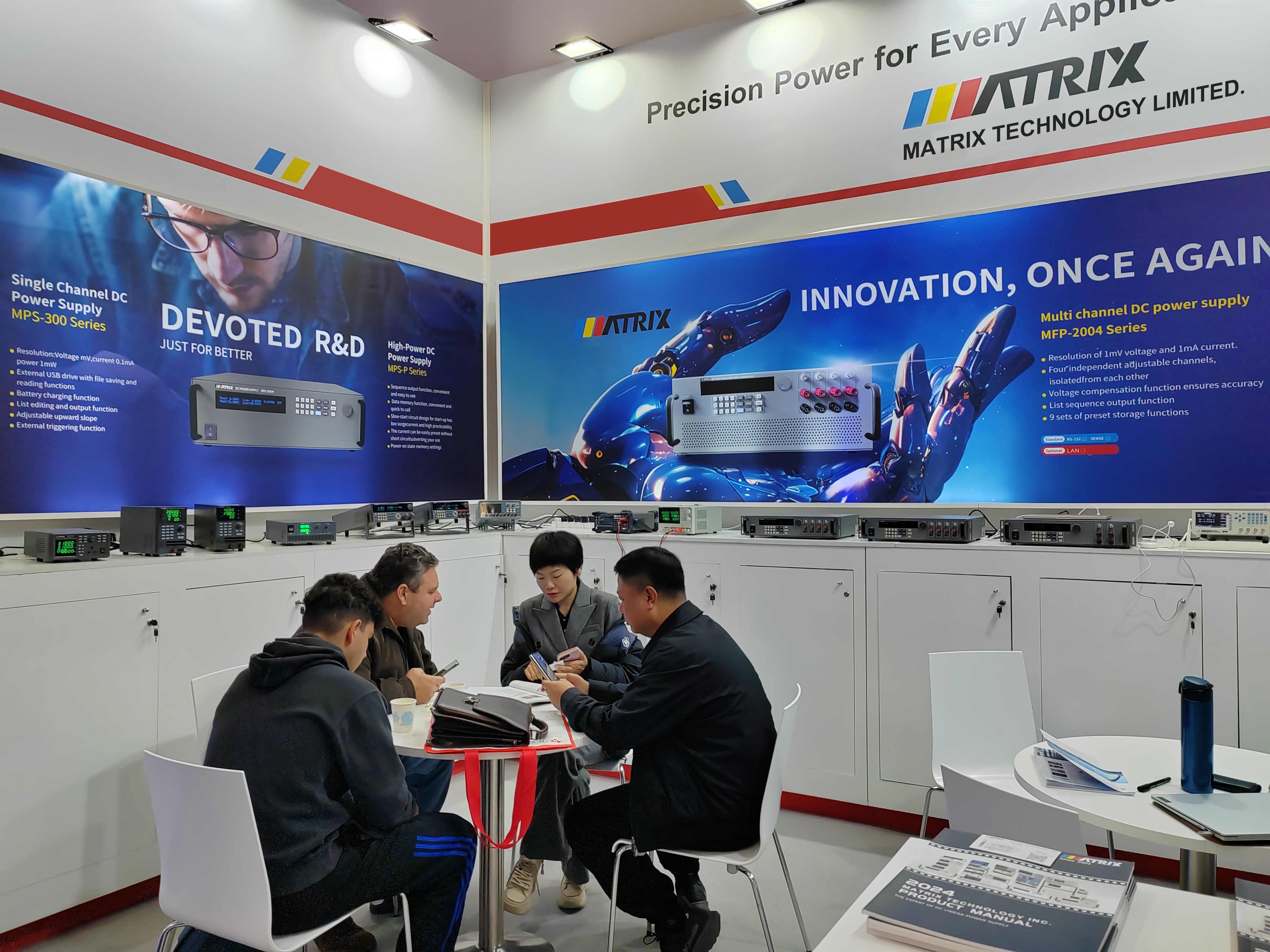
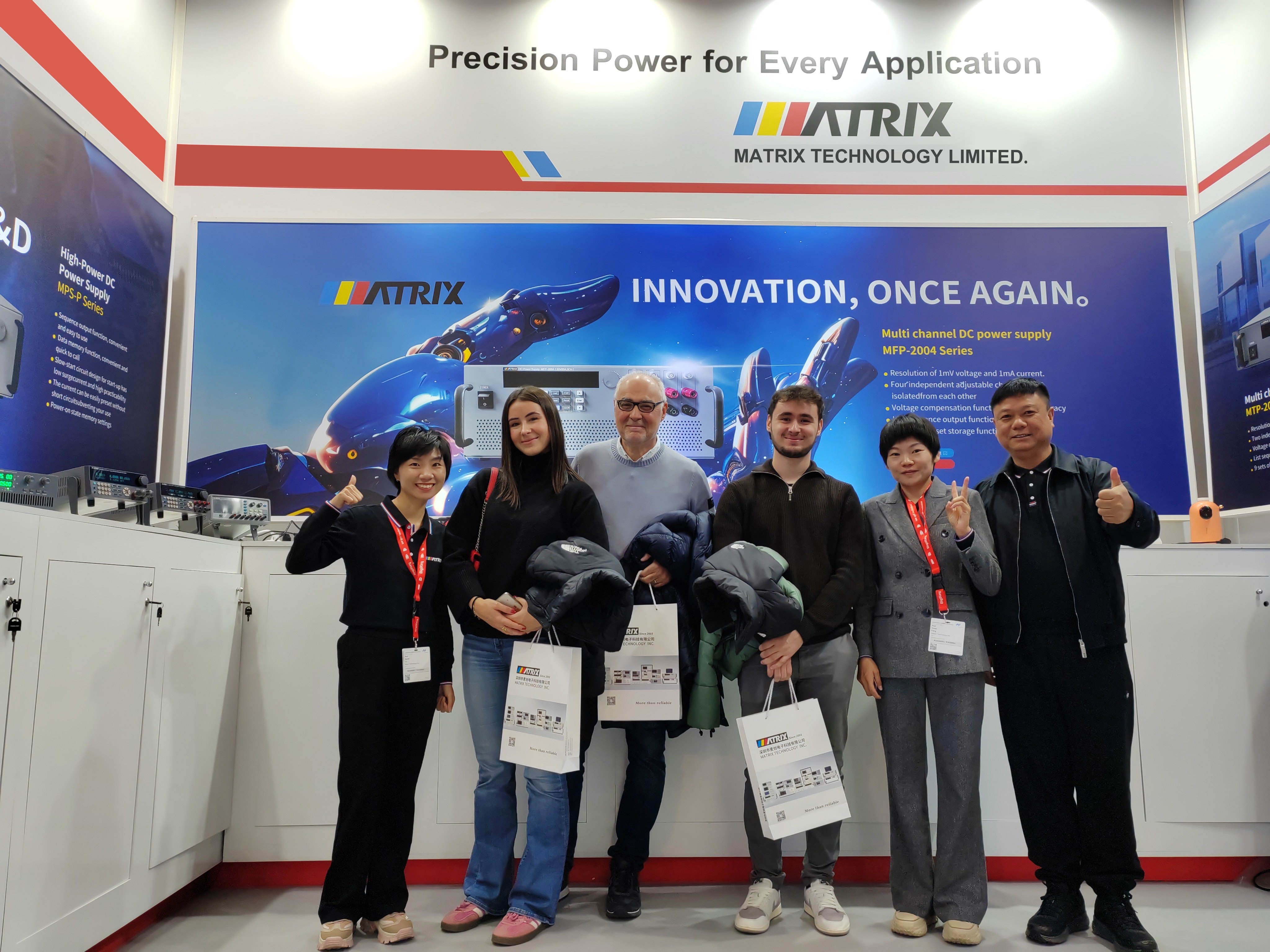
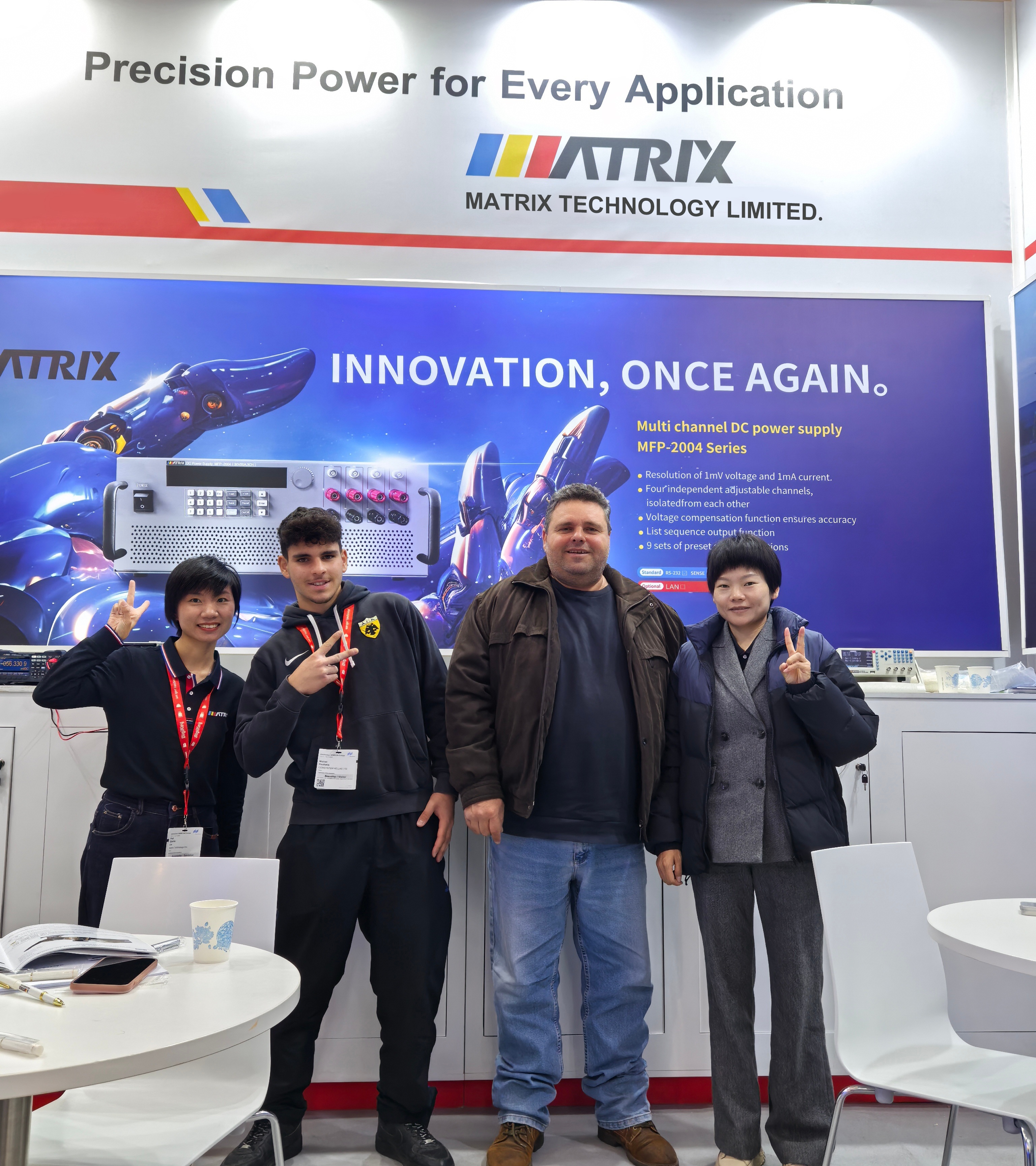
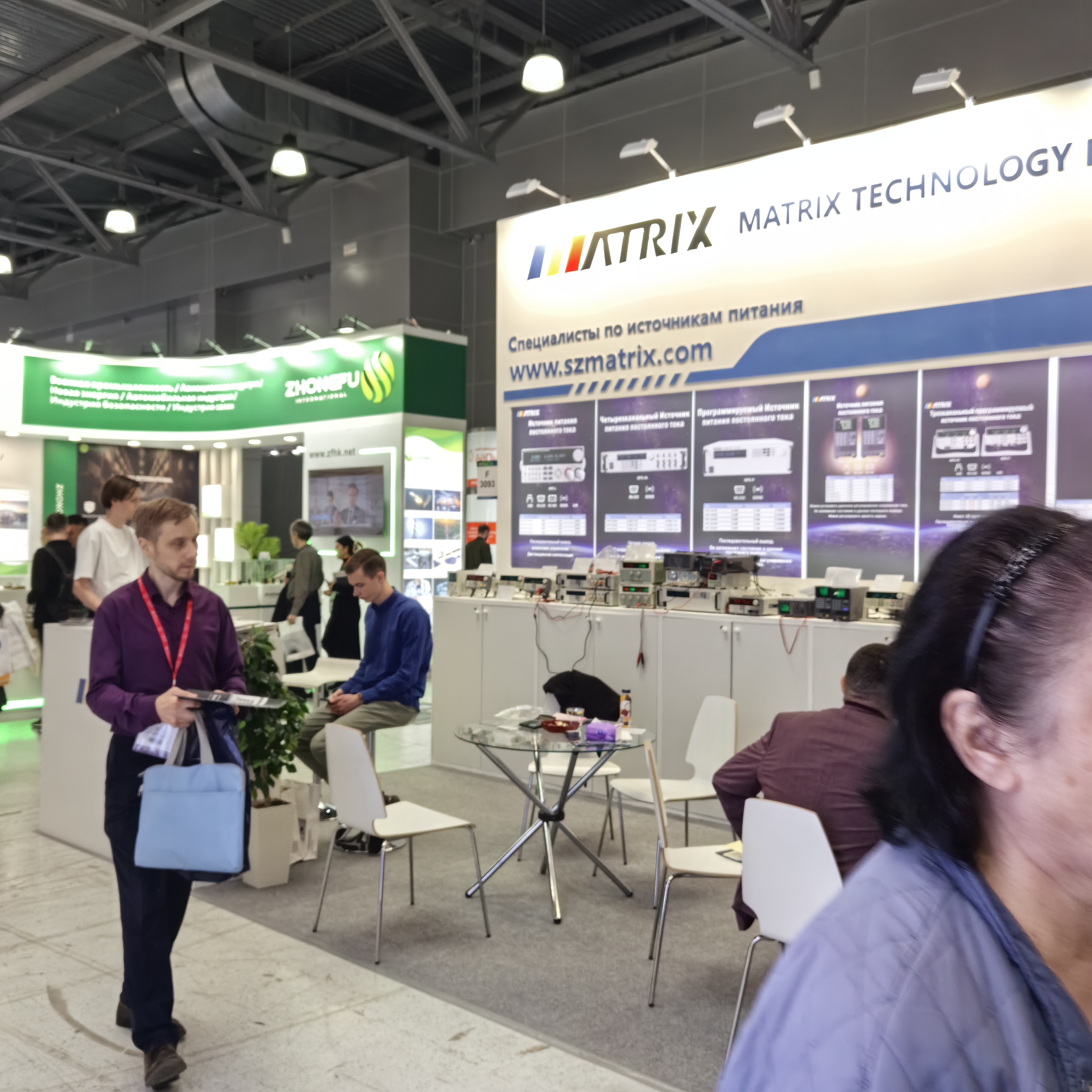
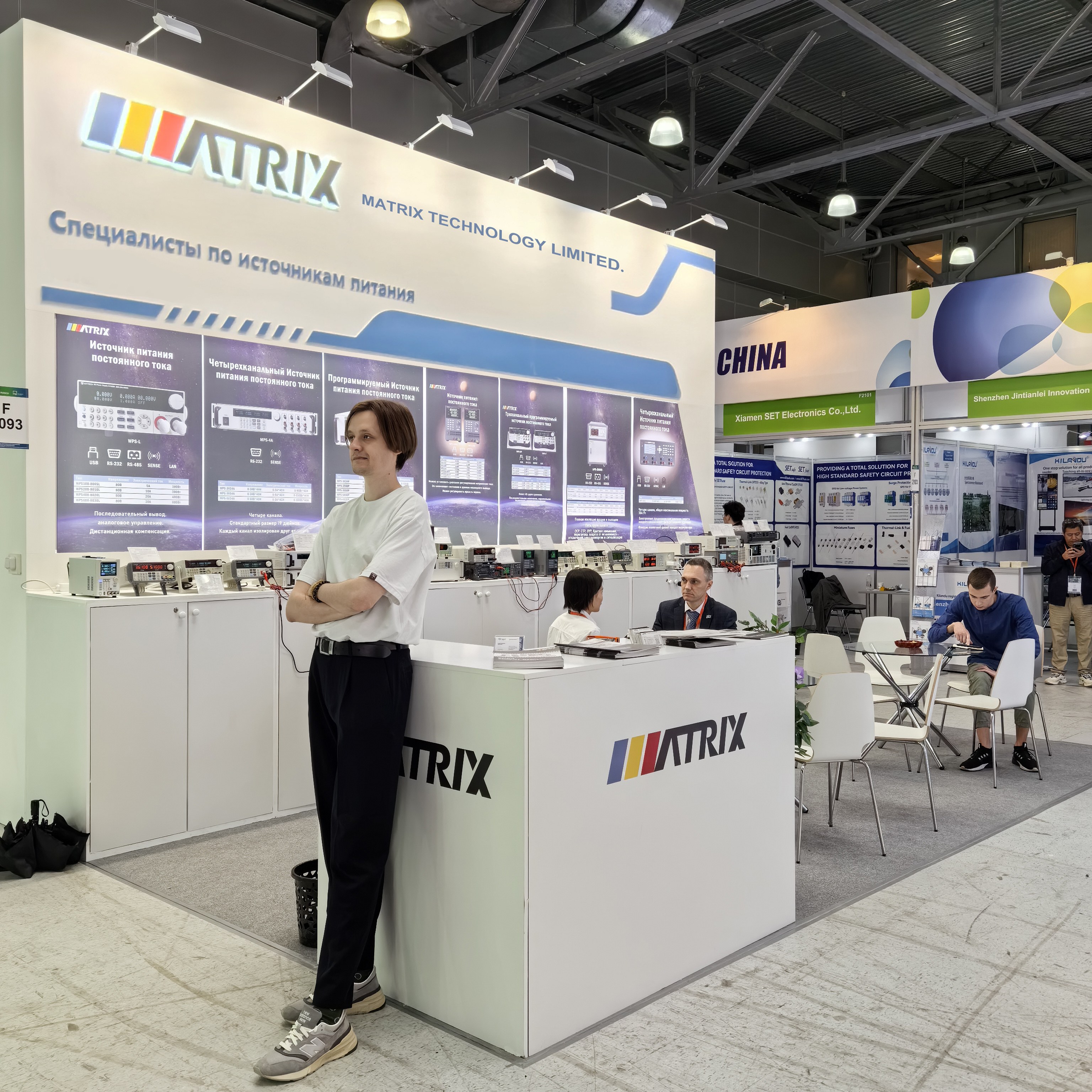
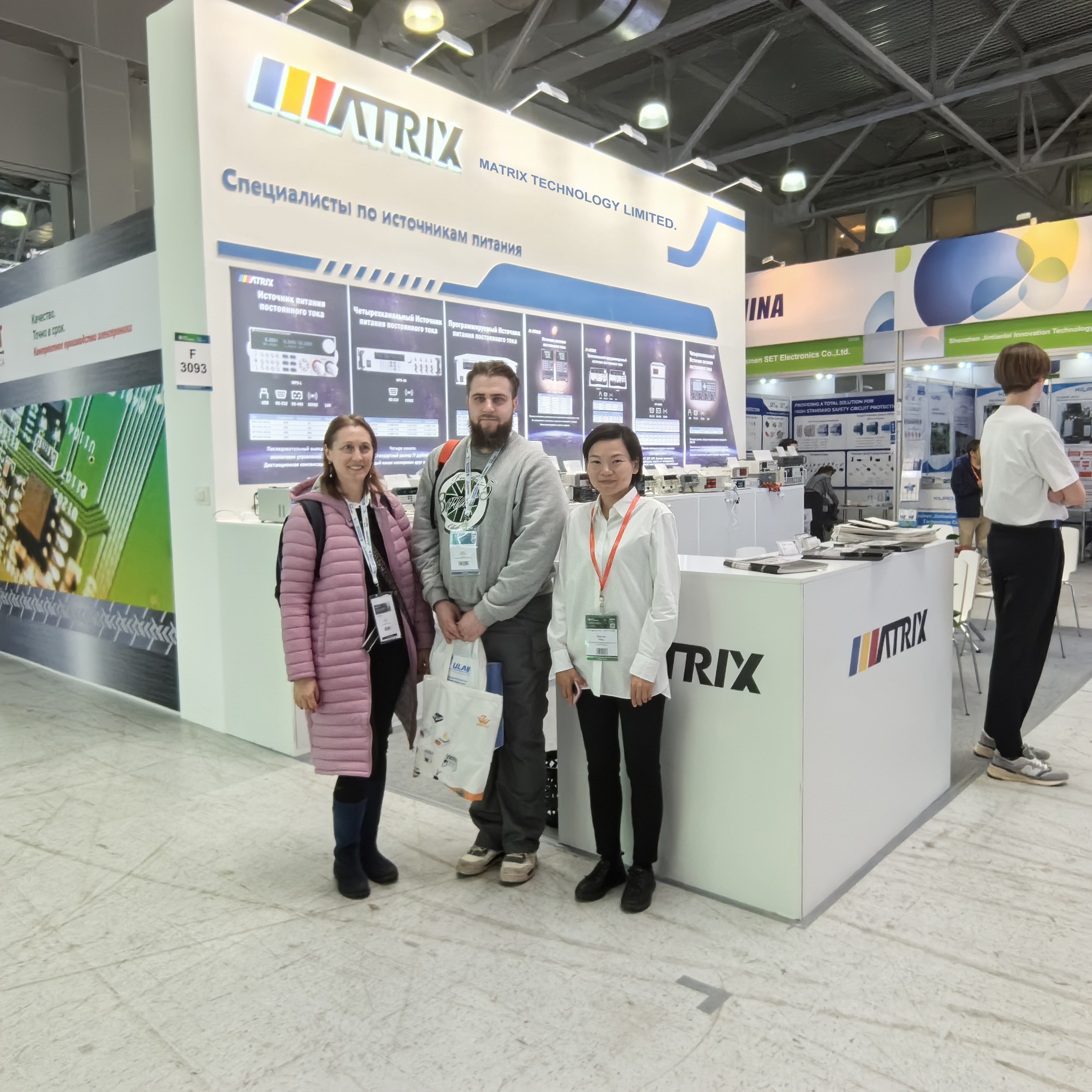
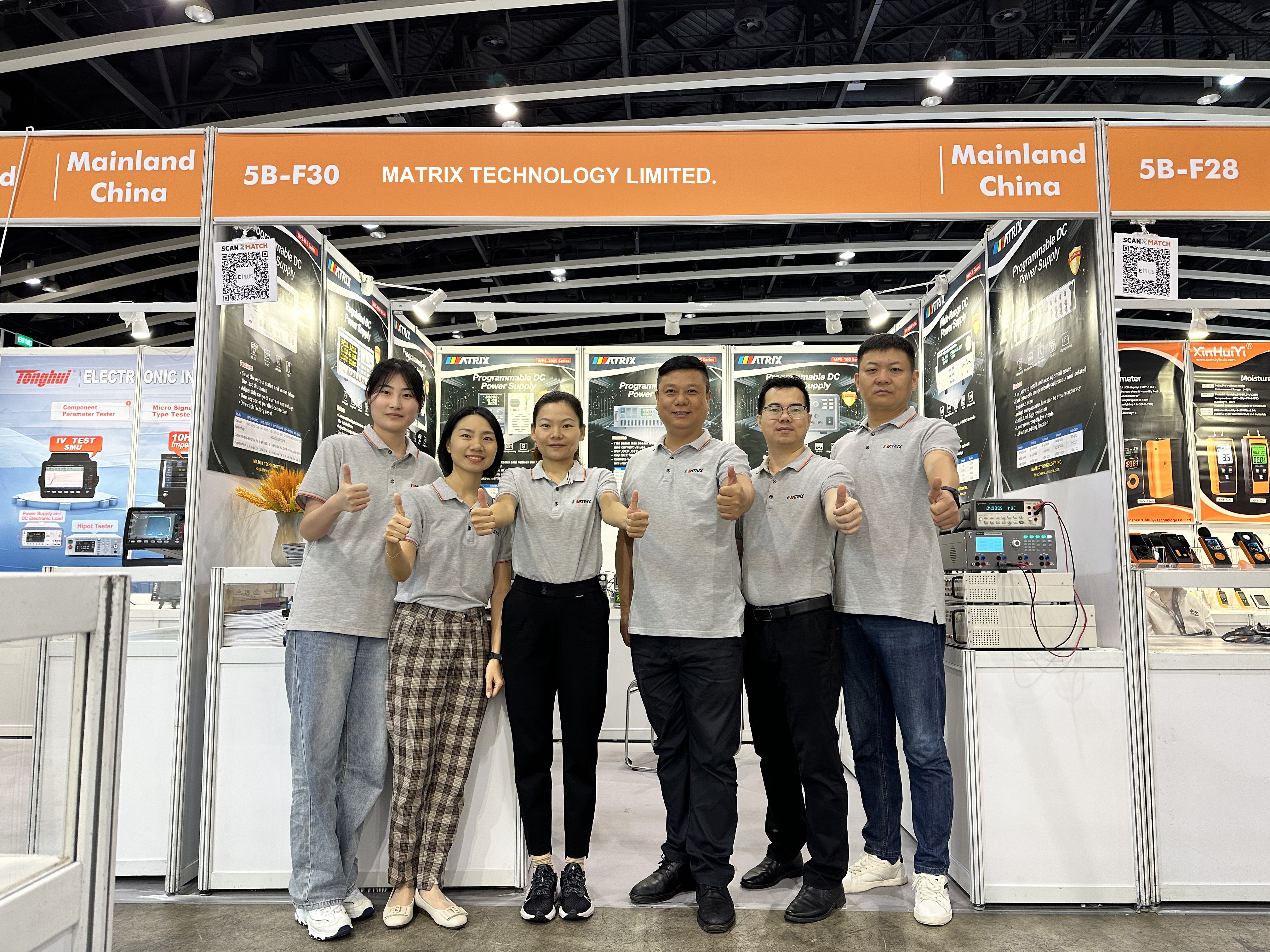
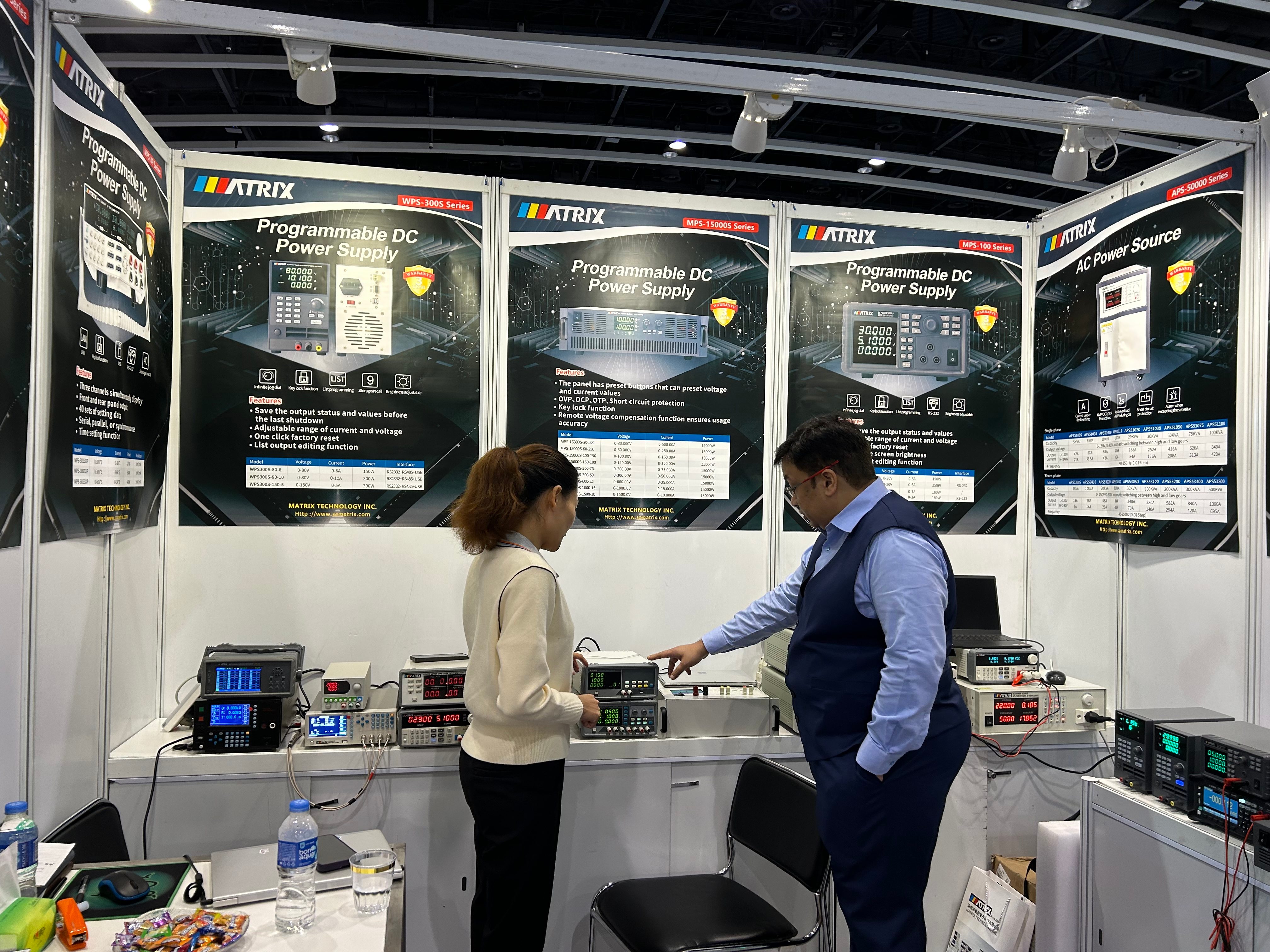
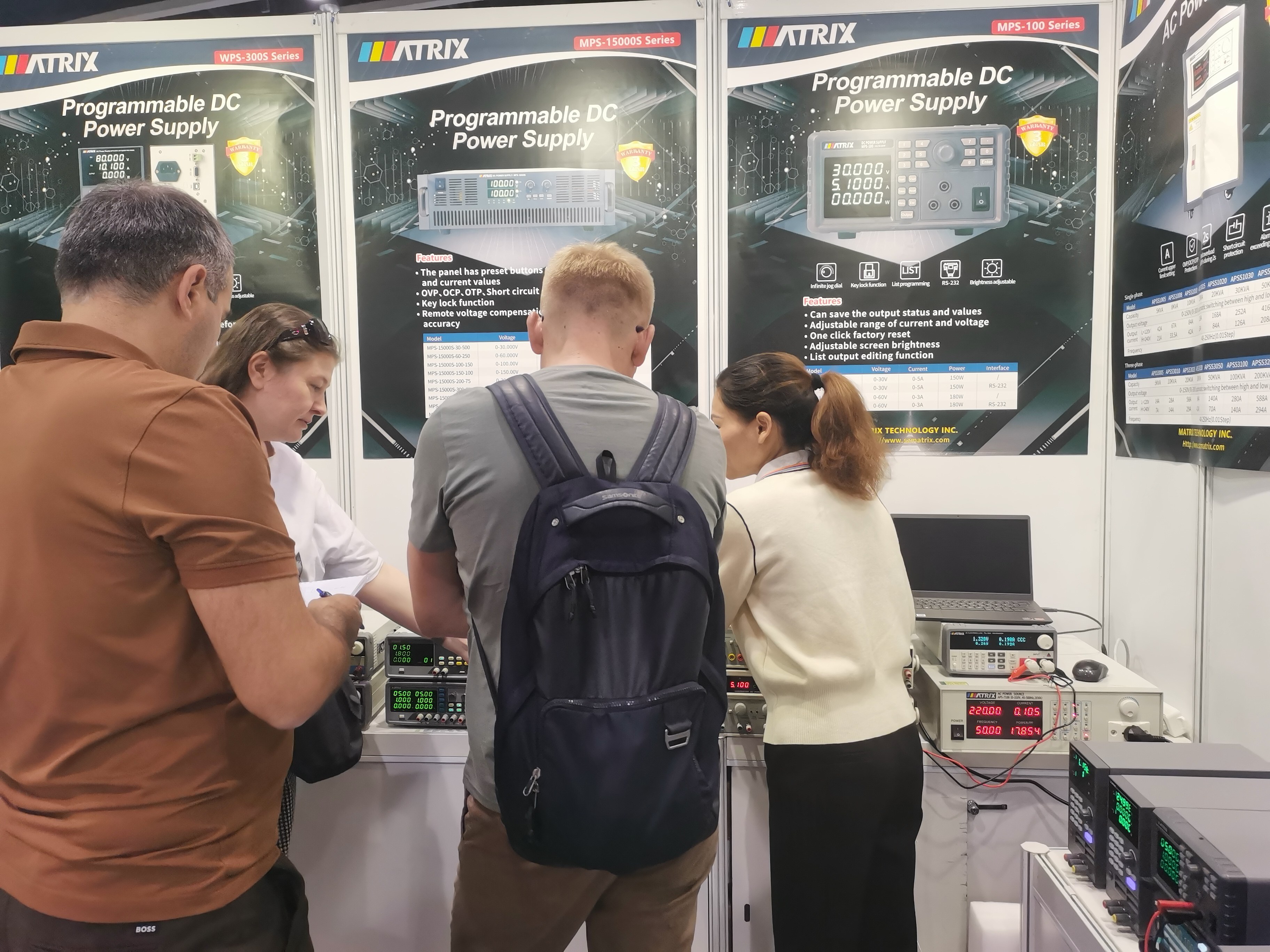
Matrix Power regularly presents its advanced testing equipment and power systems at global industrial fairs, establishing its market authority. The brand's involvement in international conferences illustrates its dedication to quality control and industry collaboration.
From the Munich Exhibition in Germany to electronicAsia and local industrial summits like the South China Testing and Measurement Conference, Matrix Power constantly demonstrates its design reliability directly to global compliance and test-bench engineers.
Localized Application Scenarios of Power Testing Equipment
Acting as the vital DC bus supply, programmable units power the system-under-test while external transient generators inject high-frequency electrical pulses into the power line, verifying standard compliance.
Simulating complex battery transients such as cold cranking, engine load dumps, and electrical fast transients (EFT) to safeguard the onboard electronic microcontrollers.
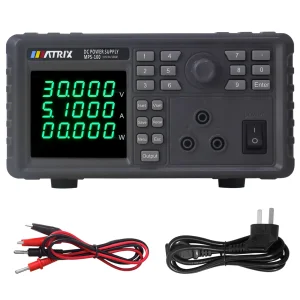
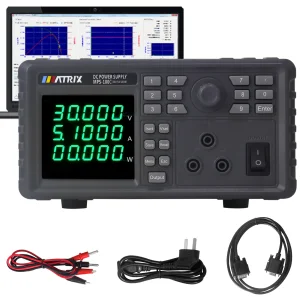
Delivering highly stable, low-ripple programmable power outputs to test next-generation power supplies, AC-DC converters, and PWM control boards with 4.5-digit measurement resolution.
Global Procurement Demands: Key Considerations for Technical Buyers
When procurement managers look to source transient simulators or DC bias power units, looking at raw power output is not enough. To secure competitive advantages in product validation, you must evaluate the equipment based on several critical criteria:
- Programming Resolution and Accuracy: A high-power supply supporting transient simulators must offer granular tuning (e.g., 1mV / 0.1mA resolution) to ensure exact voltage limits are respected. This is essential when running sensitive immunity tests on microelectronics.
- Protection Architectures: High-energy surge feedback from transient testing can blow back into the power source. The sourcing of power units with built-in Over-Voltage (OVP), Over-Current (OCP), and Over-Temperature (OTP) safeguards is crucial for system longevity.
- Control Interface Integration: Modern lab automation runs on digital commands. Purchasing units with built-in RS232, RS485, or USB options allowing LIST output sequences is key to building automated test benches.

Future Trends in Transient Simulation & DC Power Technology
The instrumentation industry is transitioning toward more flexible, software-defined testing platforms. The next generation of transient generator and programmable DC power supply integrations will focus heavily on three technical paradigms:
1. Multi-pulse Arbitrary Waveform Generation
Traditional setups run static tests. The future demands programmable DC supplies that can simulate arbitrary micro-fluctuations directly in parallel with transient generators. This dual-simulated load profile yields highly accurate compliance data for solar inverters and automotive ECU components.
2. Higher Power Density Systems
With test space in cleanrooms and engineering labs at a premium, switching power supplies must pack more power into smaller form factors. Units like the MATRIX 3600W series utilize high-efficiency cooling architectures to compress peak power delivery systems into standard rack configurations.
3. Green Energy Recovery (Bi-directional Testing)
As green energy testing expands, energy recovery is shifting from a premium add-on to a standard requirement. Future power architectures will dynamically absorb electrical energy transients generated by inductive motor deceleration, feeding that energy safely back to the power grid instead of dissipating it as heat.
Technical Q&A: Sourcing & Optimizing Testing Configurations
What is a Transient Generator used for in EMC testing?
A transient generator is used to simulate sudden, high-energy electrical pulses—such as lightning surges (IEC 61000-4-5), electrical fast transients/bursts (IEC 61000-4-4), and electrostatic discharges (IEC 61000-4-2)—on electrical and signal lines. It allows engineering labs to verify if a device can survive voltage peaks without breakdown.
How does a programmable DC power supply support transient immunity testing?
During transient immunity tests, the device under test must remain powered. A high-precision, stable programmable DC power supply provides a clean, regulated operating voltage. This ensures the output reading of the transient generator is not distorted by power supply variations.
What certifications should I look for when sourcing power equipment from China?
Look for systems backed by ISO 9001 quality management certifications. For global compliance, verify that all power sources carry CE and RoHS markings. This ensures the equipment is safe to operate in standard laboratory and factory environments worldwide.
Why is a 4.5-digit display resolution important in power testing?
A 4.5-digit display offers granular resolution (down to 1mV and 0.1mA), allowing engineering teams to monitor micro-level shifts in current draw. This precision is critical for highlighting the onset of insulation breakdown or internal leakage during surge tests.
Can Matrix Power supplies handle high-voltage feedback surges from test lines?
Yes. Matrix Power programmable DC power supplies feature comprehensive protection circuits, including over-voltage (OVP), over-current (OCP), and high electromagnetic shielding. This enables the equipment to withstand common transient feedback events without failure.
What benefits does Guangzhou Matrix Power's 20-year history provide?
With over two decades of production and design experience, Matrix Power has optimized its hardware for reliability, safety, and durability. Exporting to over 80 countries guarantees the company understands localized grid fluctuations, input voltages (such as 110V vs. 220V), and customs processes.