Featured Industrial Precision Equipment
Global Landscape: The Evolution of Conductivity Measurement & Power Support
Market Industrialization
The global market for conductivity meters is undergoing a paradigm shift. With the rise of Industry 4.0, manufacturers are no longer just providing sensors; they are providing integrated data solutions. From ultrapure water monitoring in semiconductor fabrication to wastewater management, the demand for high-accuracy, low-drift measurement is at an all-time high.
Precision Power Dependency
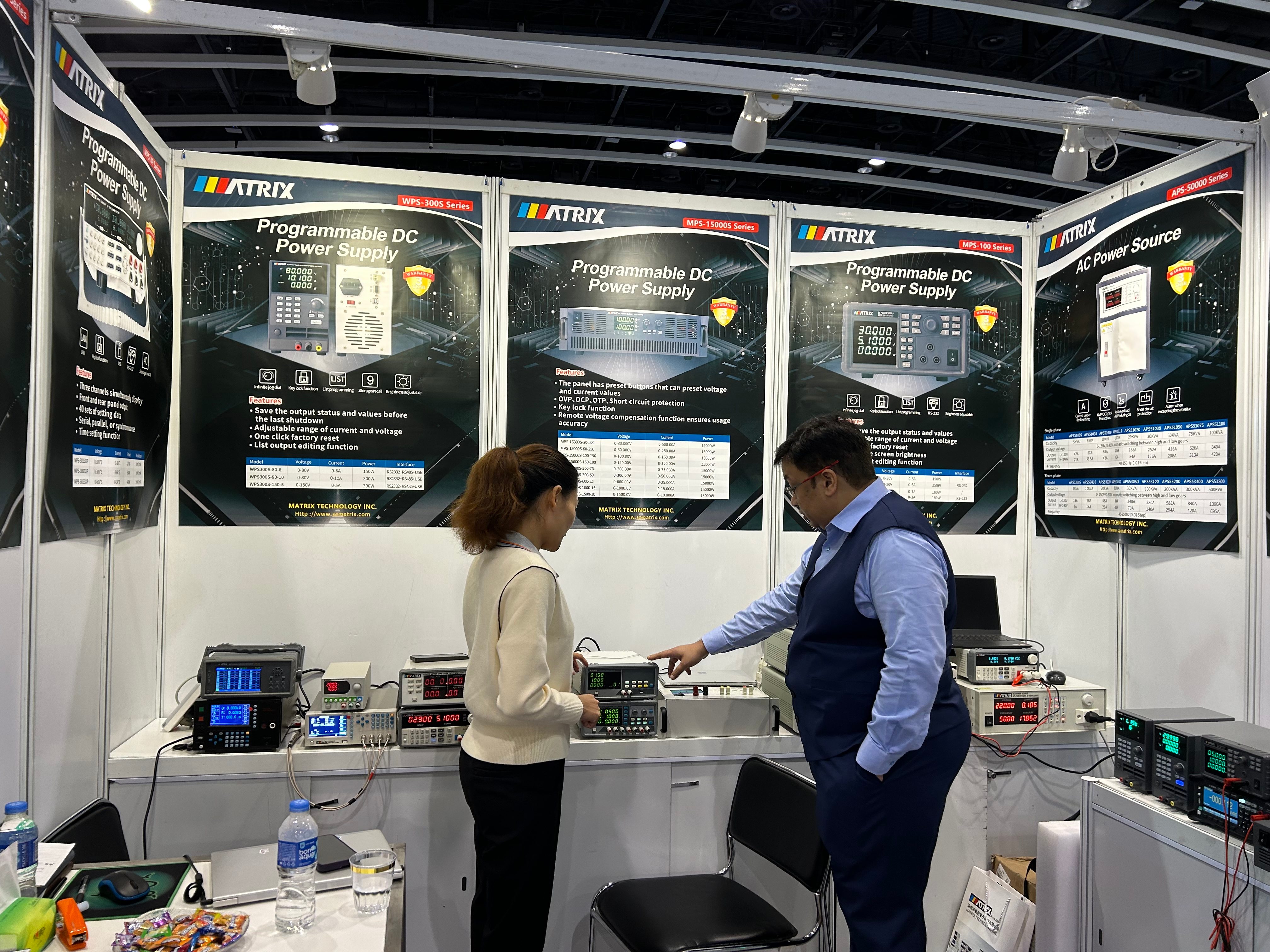
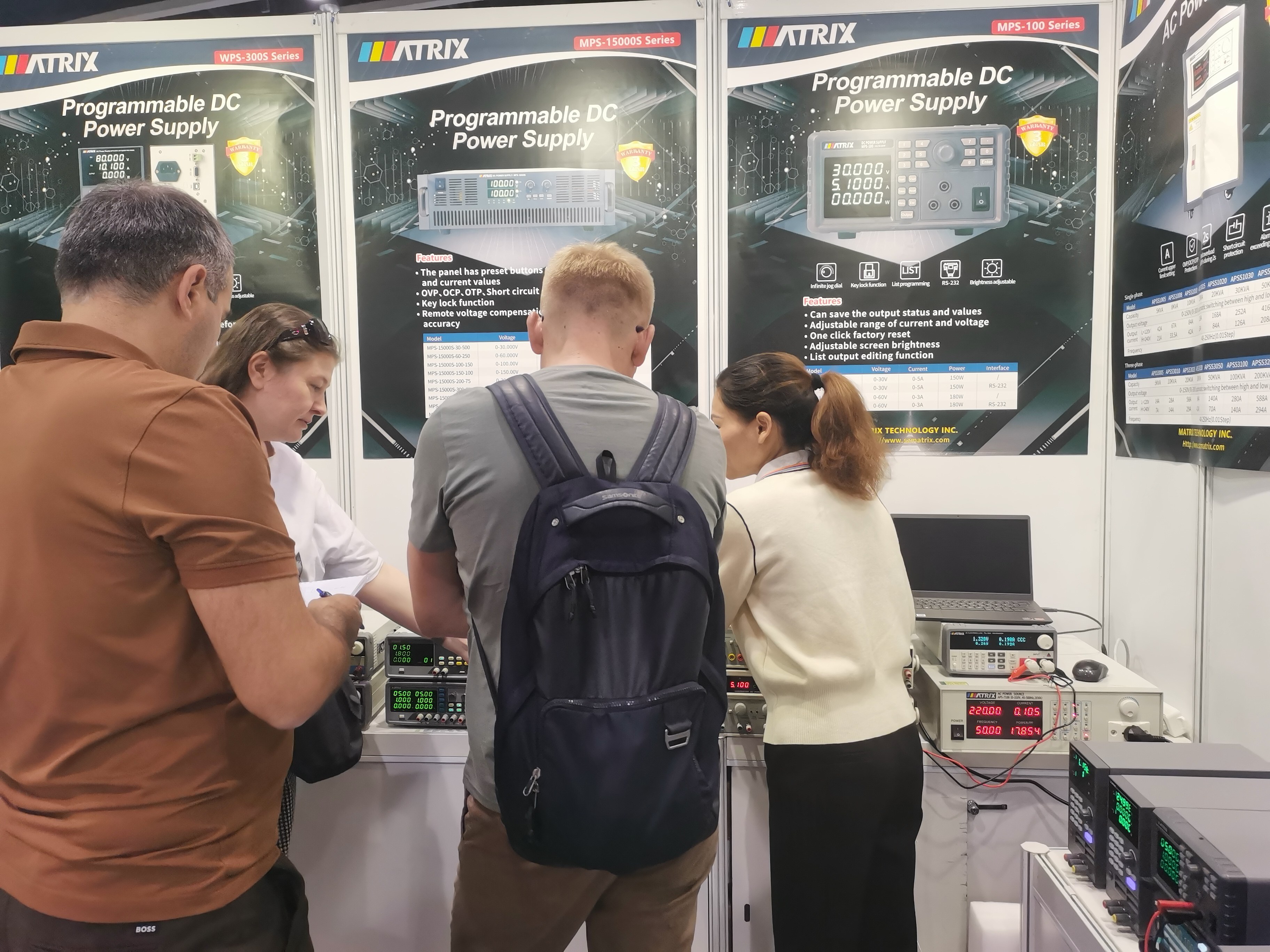
A critical but often overlooked aspect of conductivity meter manufacturing is the quality of the DC-regulated power supply. High-precision sensors require ultra-stable voltage during the calibration and testing phases. This is where leaders like Guangzhou Matrix Power Technology Limited provide the "Information Gain" by ensuring that the electrical foundation of these meters is flawless.
Semantic Sensing
Modern conductivity meters now utilize semantic data processing to distinguish between different types of dissolved solids (TDS) and salinity. This intelligence allows for more proactive industrial maintenance and environmental protection, creating a $4.5 billion global industry by 2027.
Technical Roadmap: From Electrolytic Principles to AI Integration
Conductivity measurement is fundamentally based on Ohm’s Law applied to electrolytes. The challenge for manufacturers and suppliers is managing the K-factor (Cell Constant) stability across varying temperatures and pressures. Our research indicates three primary technology routes currently dominating the industry:
- Two-Electrode (Contacting) Method: Ideal for ultrapure water where low conductivity levels require direct contact for sensitivity.
- Four-Electrode Method: Designed for high-conductivity environments like chemical processing, minimizing the "polarization effect."
- Toroidal (Inductive) Method: A non-contact approach used in highly corrosive liquids or fluids with high suspended solids.
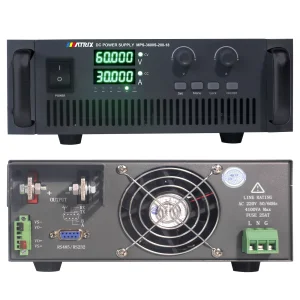
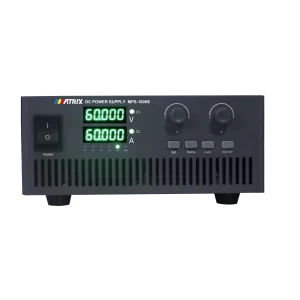
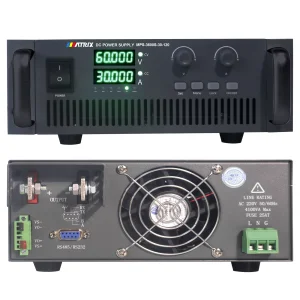
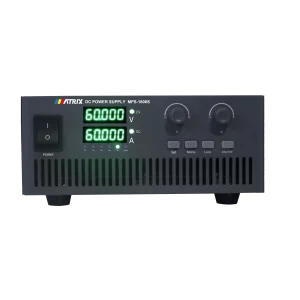
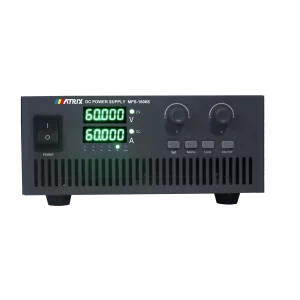
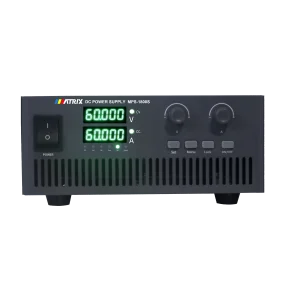
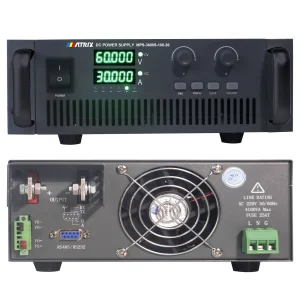
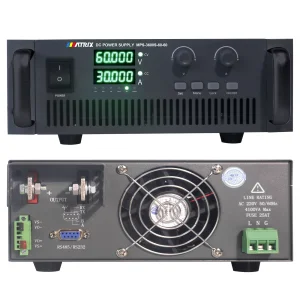
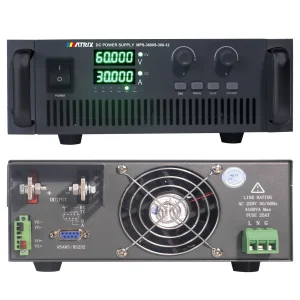
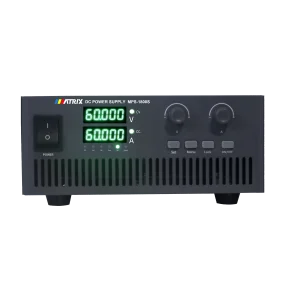
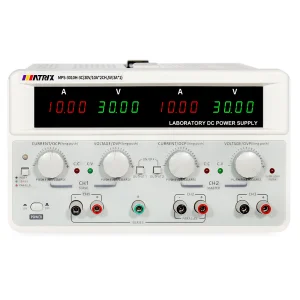
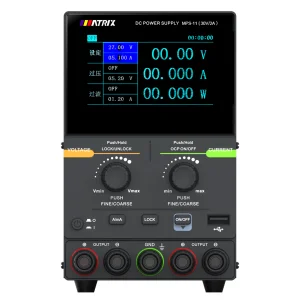
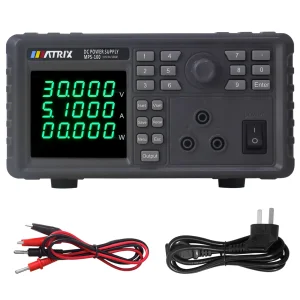
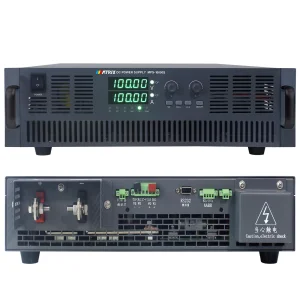
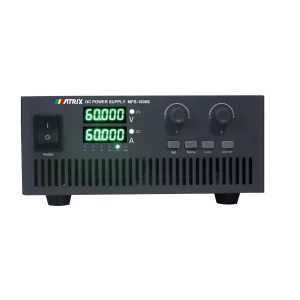
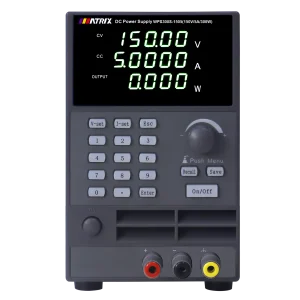
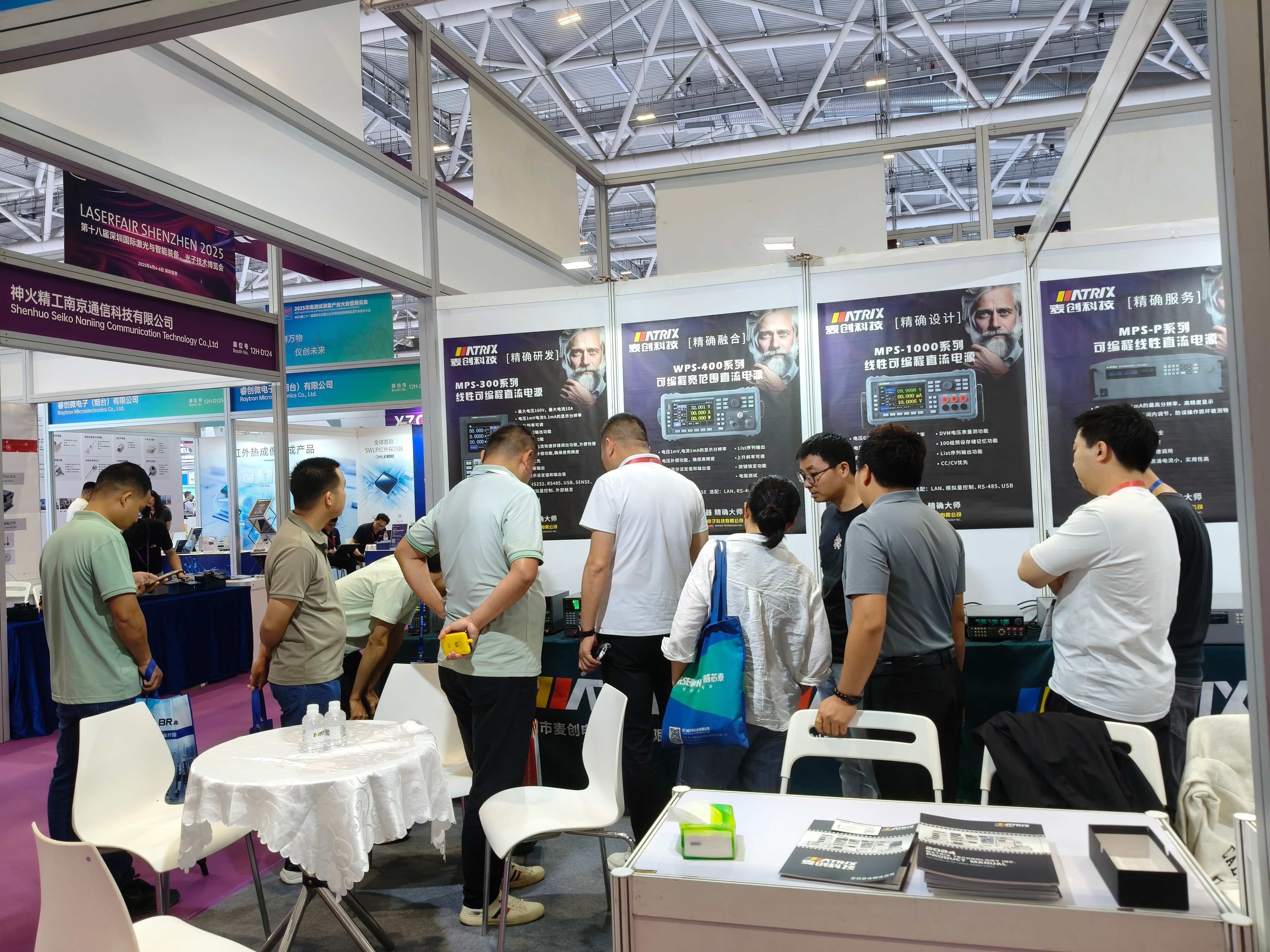
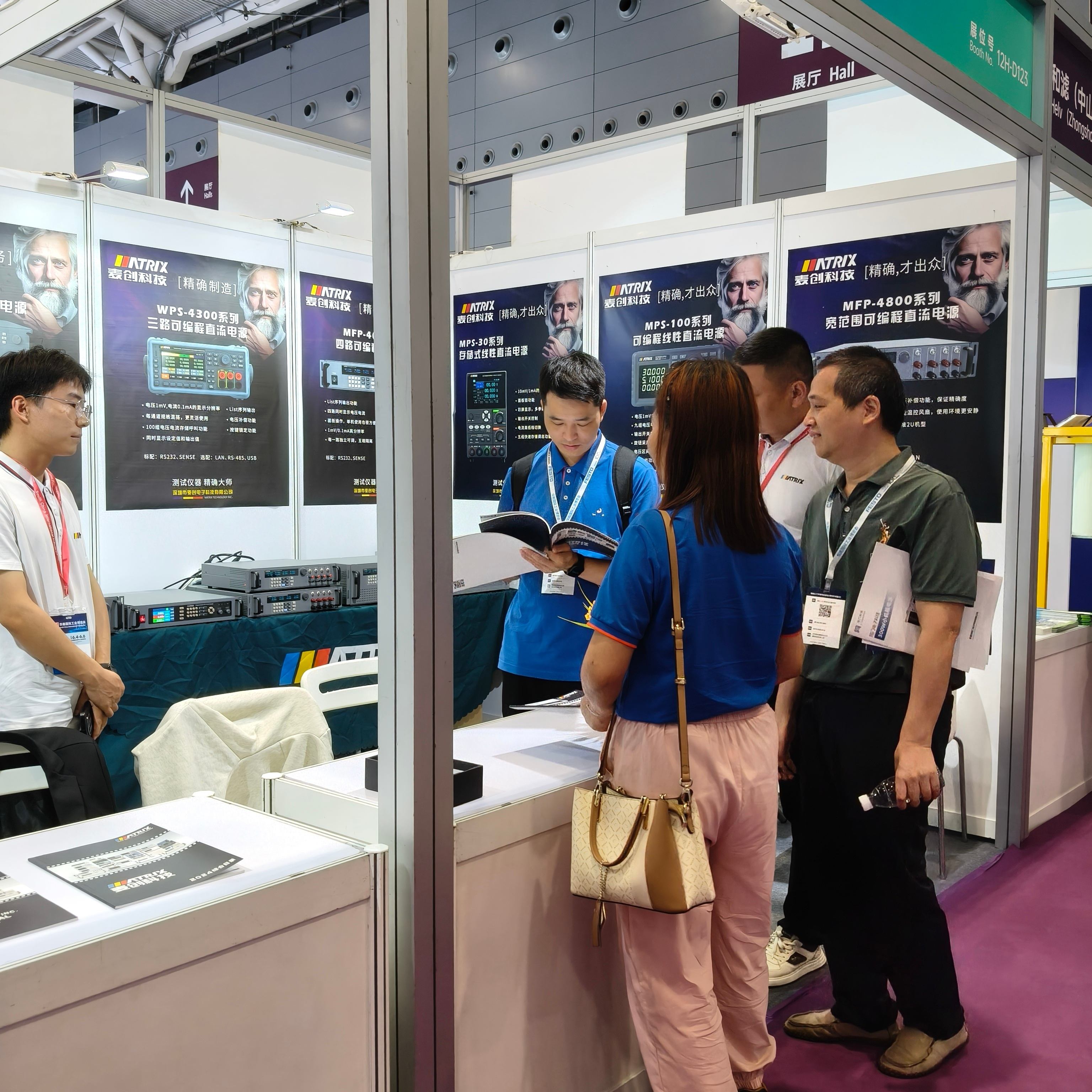
As a leading supplier ecosystem, Matrix Power supports these technological routes by providing the high-stability testing environments necessary for sensor R&D. Our MPS series and High Power Programmable DC supplies are specifically engineered to provide ripple-free power, which is vital when calibrating sensors that operate in the micro-Siemens (µS/cm) range.

Macro Industry Solutions: Localized Scenarios
Pharmaceutical & Biotech
In the pharmaceutical industry, Water for Injection (WFI) must meet strict USP <645> conductivity requirements. Suppliers must provide meters with NIST-traceable calibration. Our DC power supplies enable pharmaceutical manufacturers to maintain their own on-site calibration labs with the highest degree of accuracy.
Power Generation (Boiler Feed Water)
Controlling conductivity in boiler water prevents scaling and corrosion. Matrix Power technology helps power plants test their sensing equipment against harsh electromagnetic interference, ensuring 24/7 reliability in high-voltage environments.
Vertical Agriculture (Hydroponics)
Precise EC (Electrical Conductivity) control is the difference between crop success and failure. Modern suppliers are now offering smart-phone integrated conductivity probes powered by miniaturized, stable circuits tested on Matrix programmable units.
Corporate Authority: Guangzhou Matrix Power Technology Limited
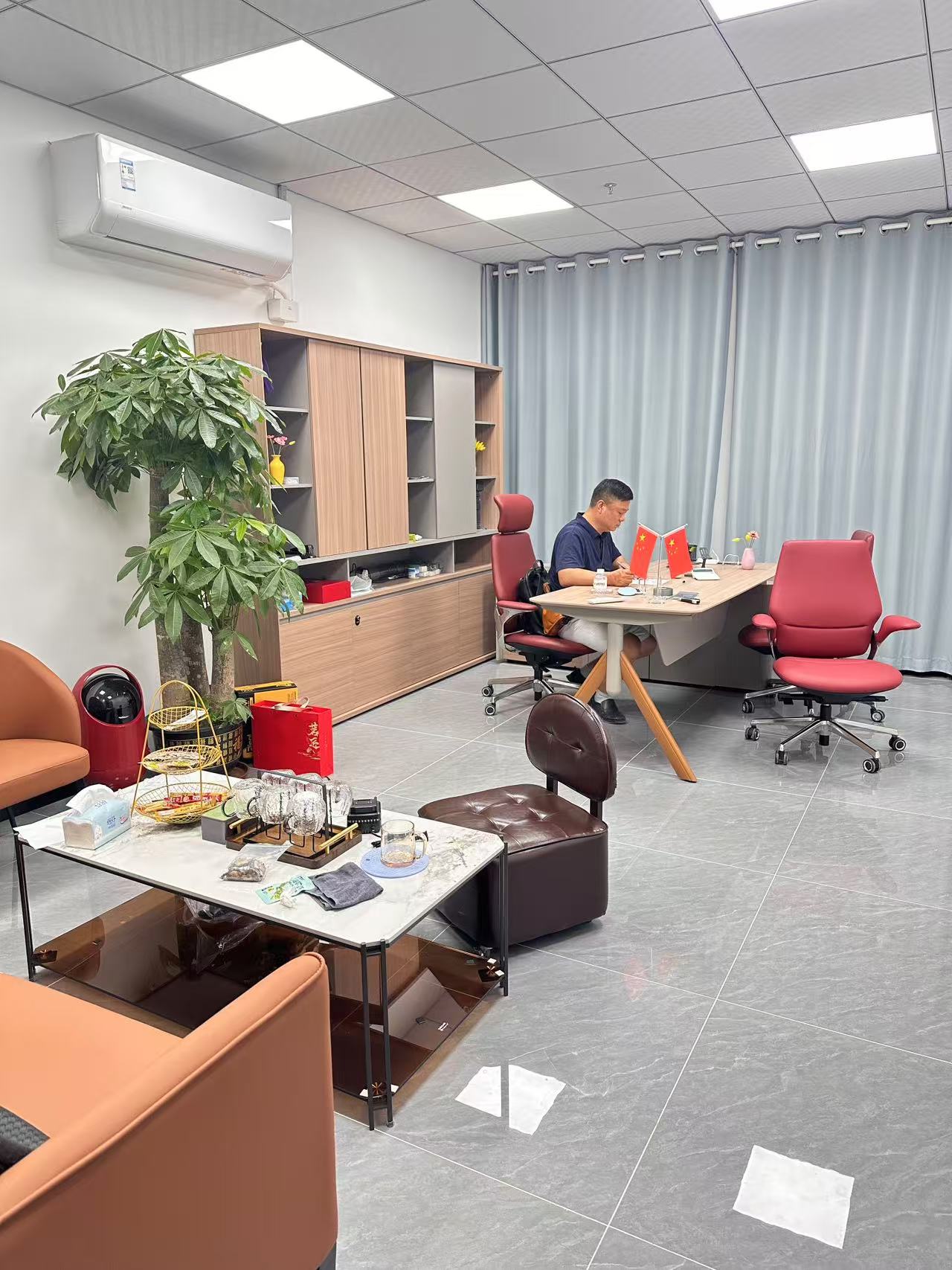
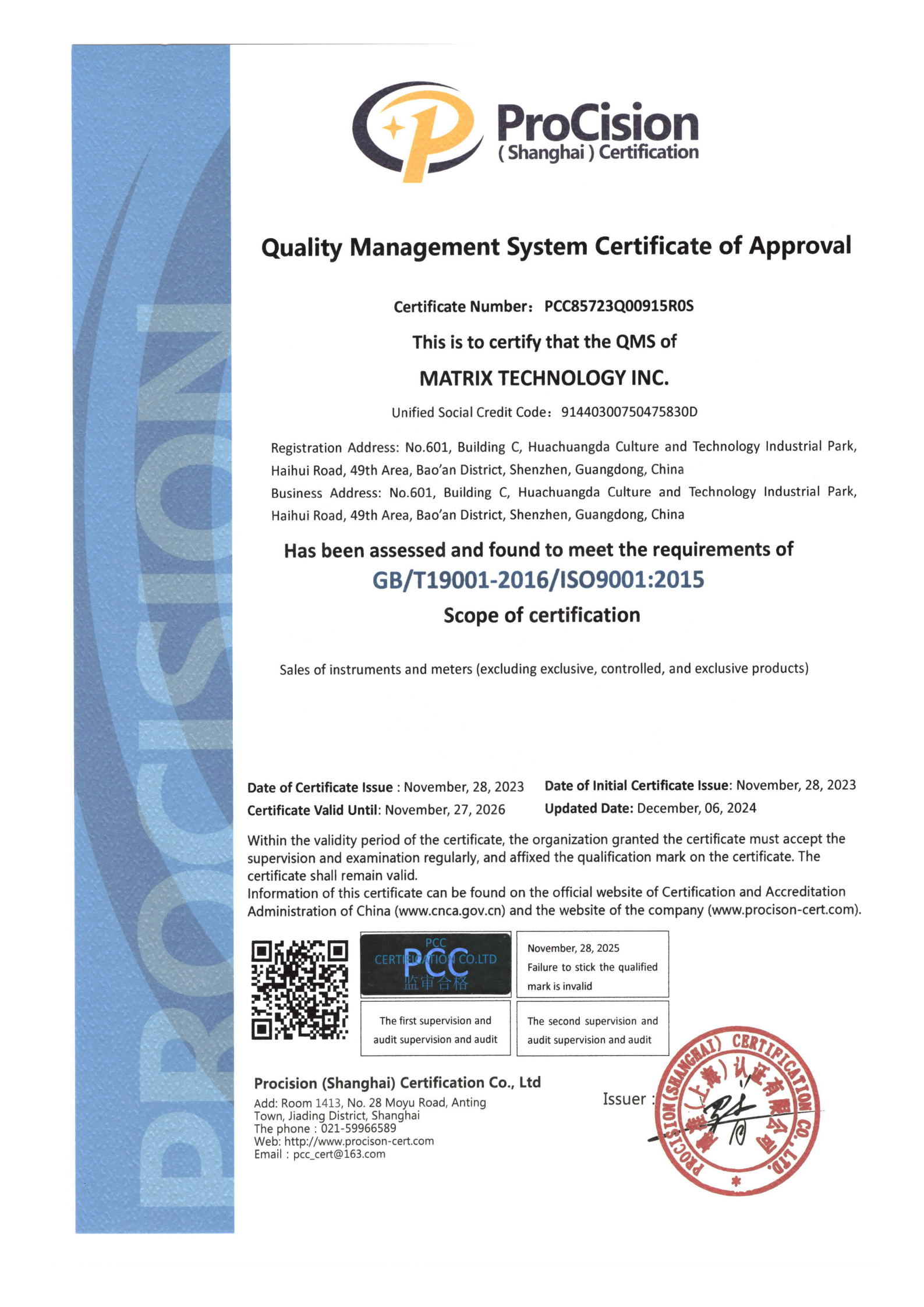
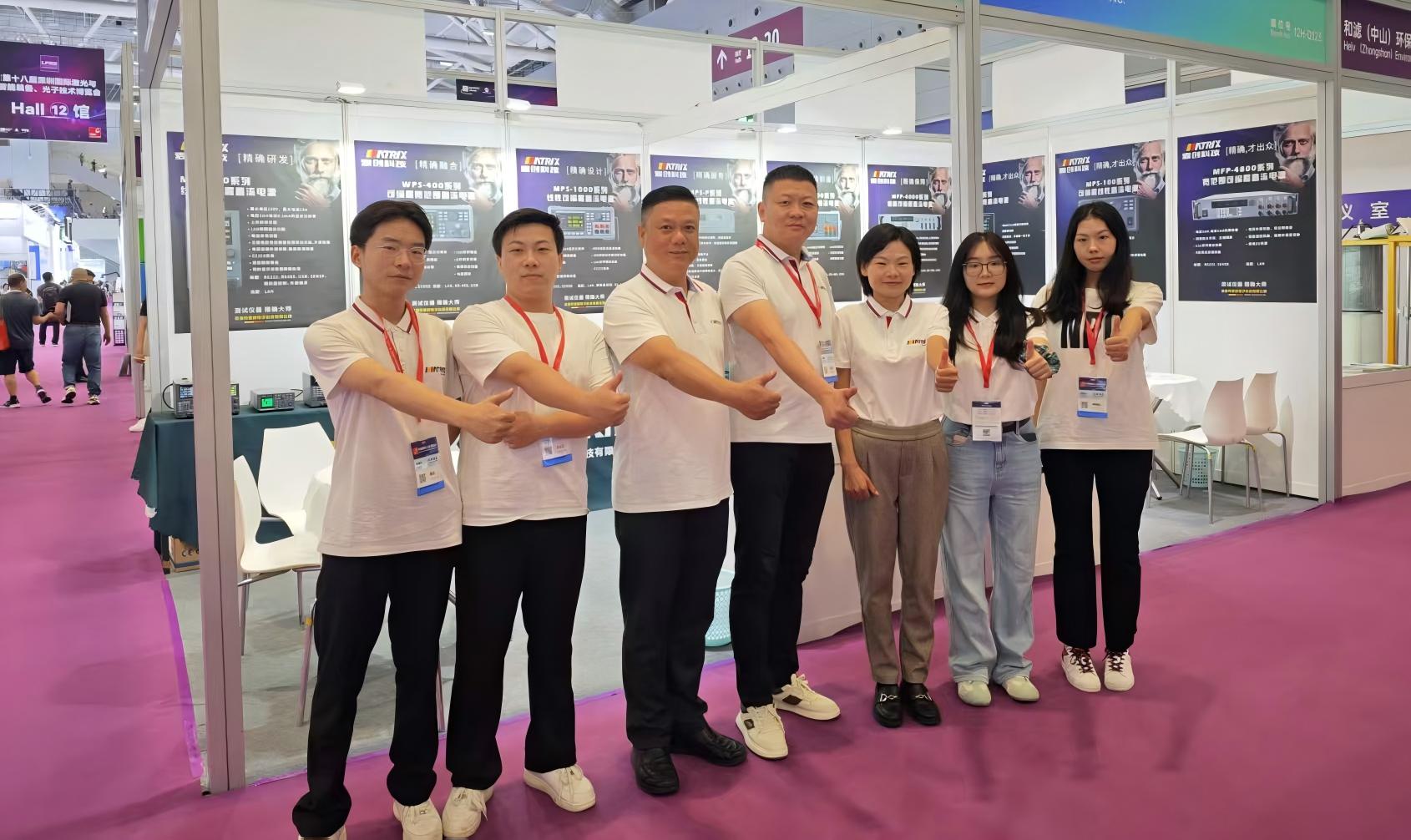
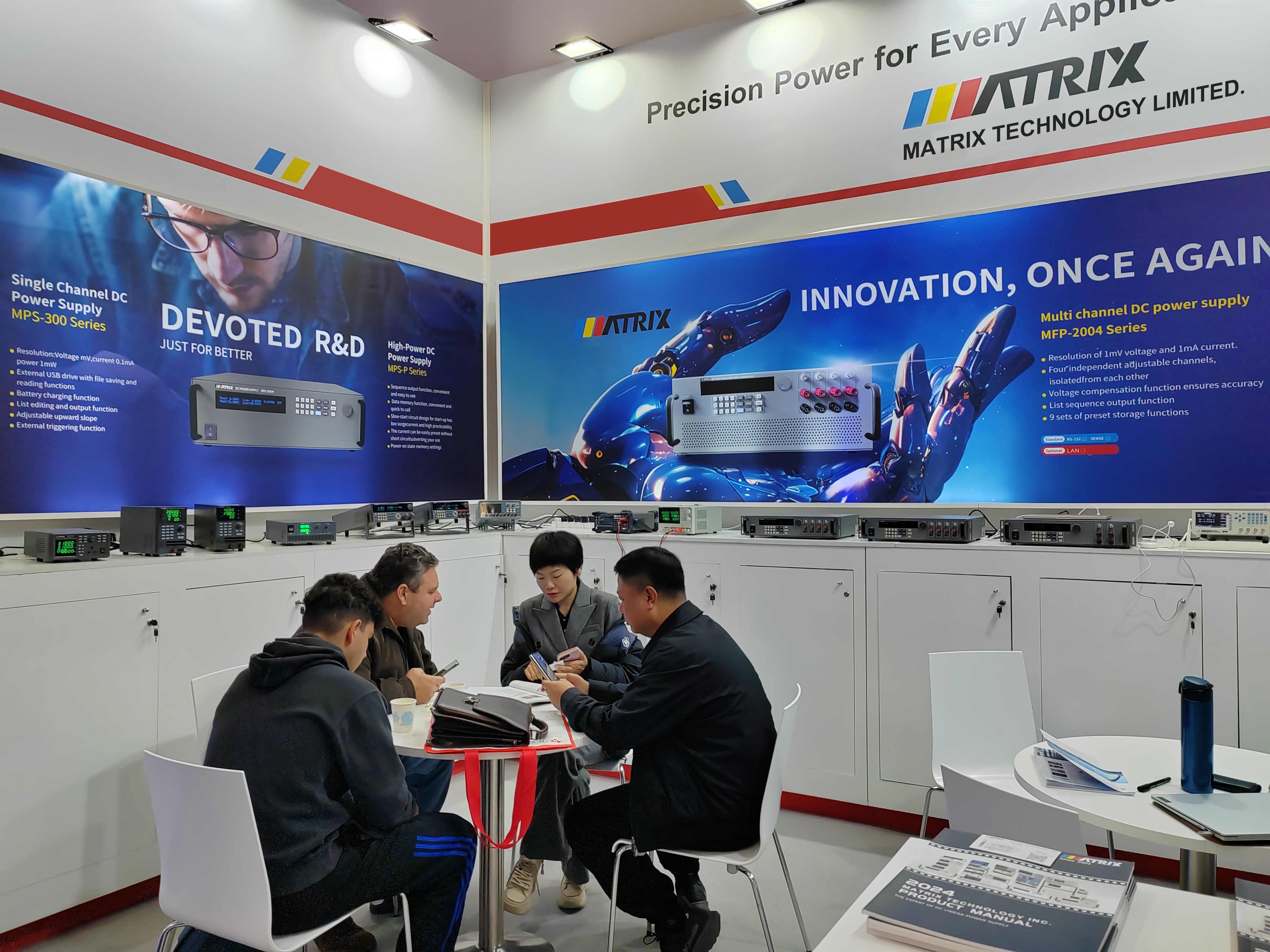
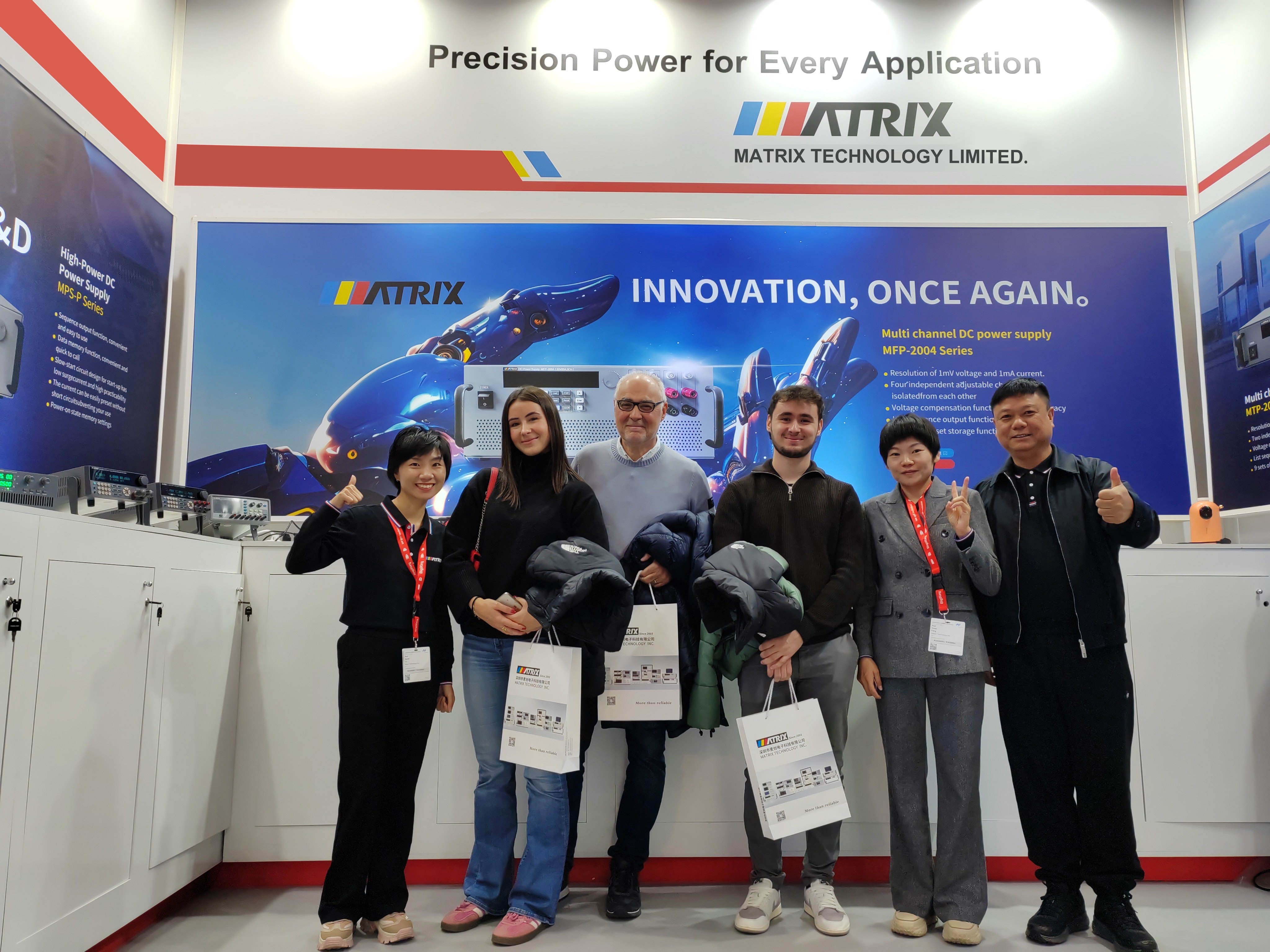
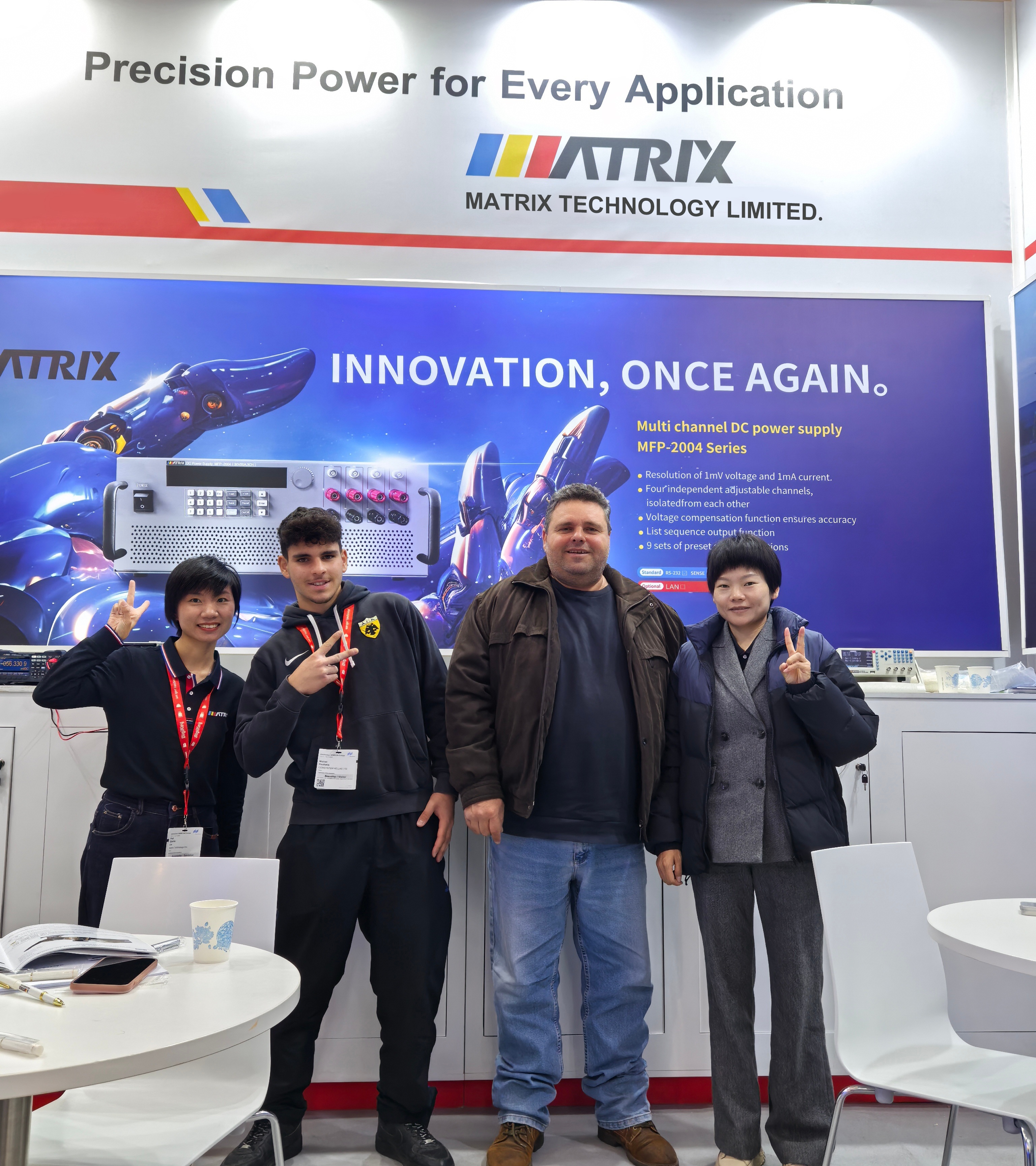
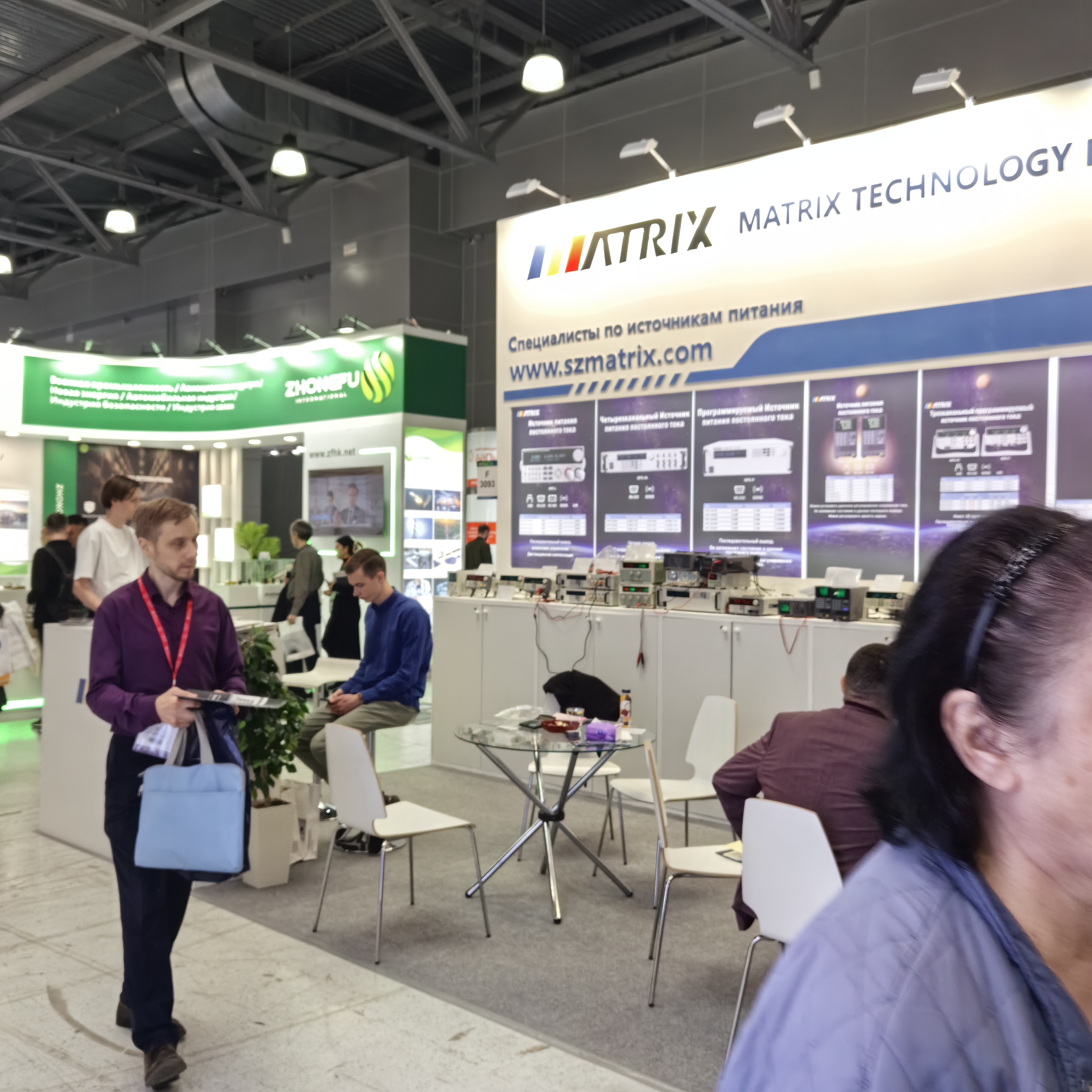
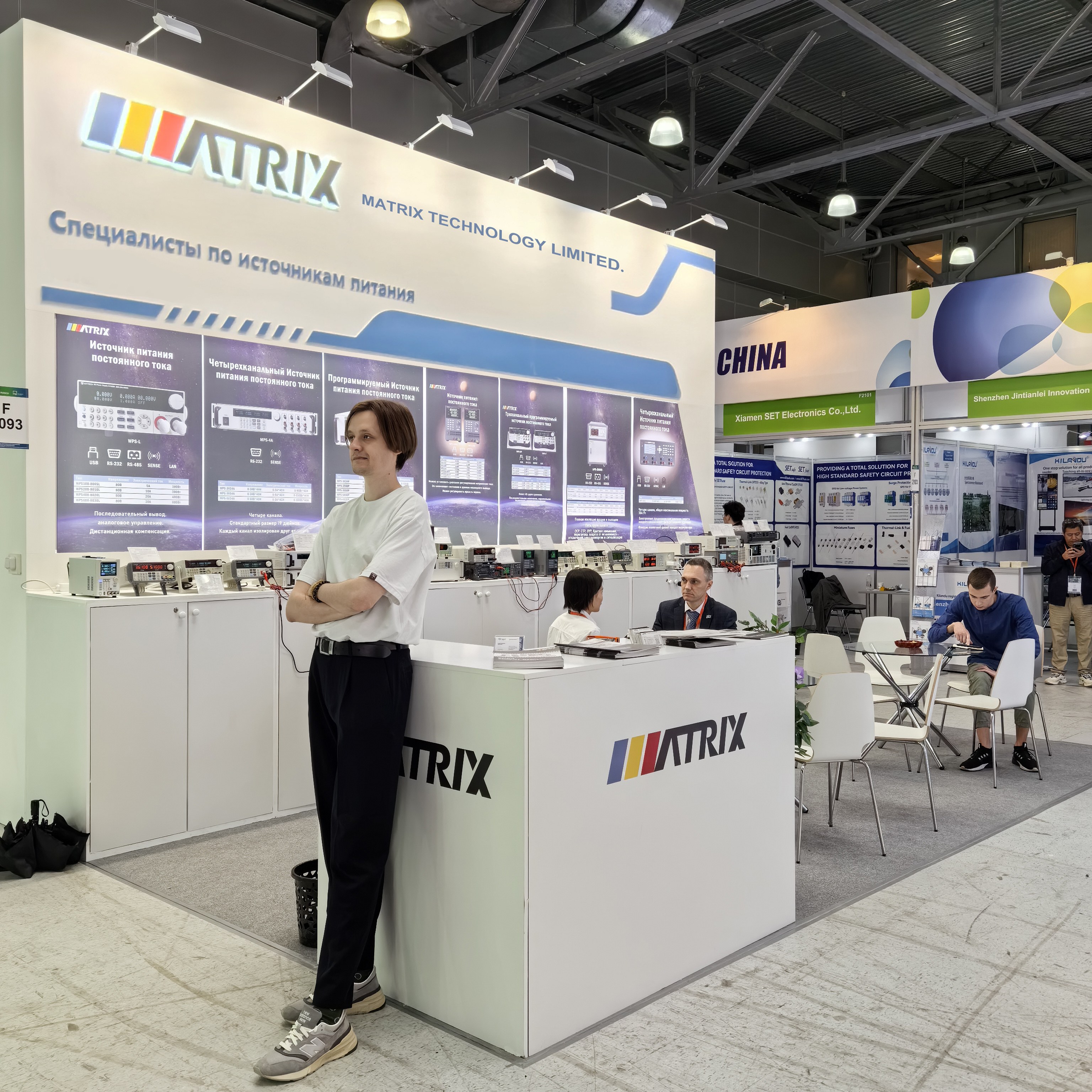
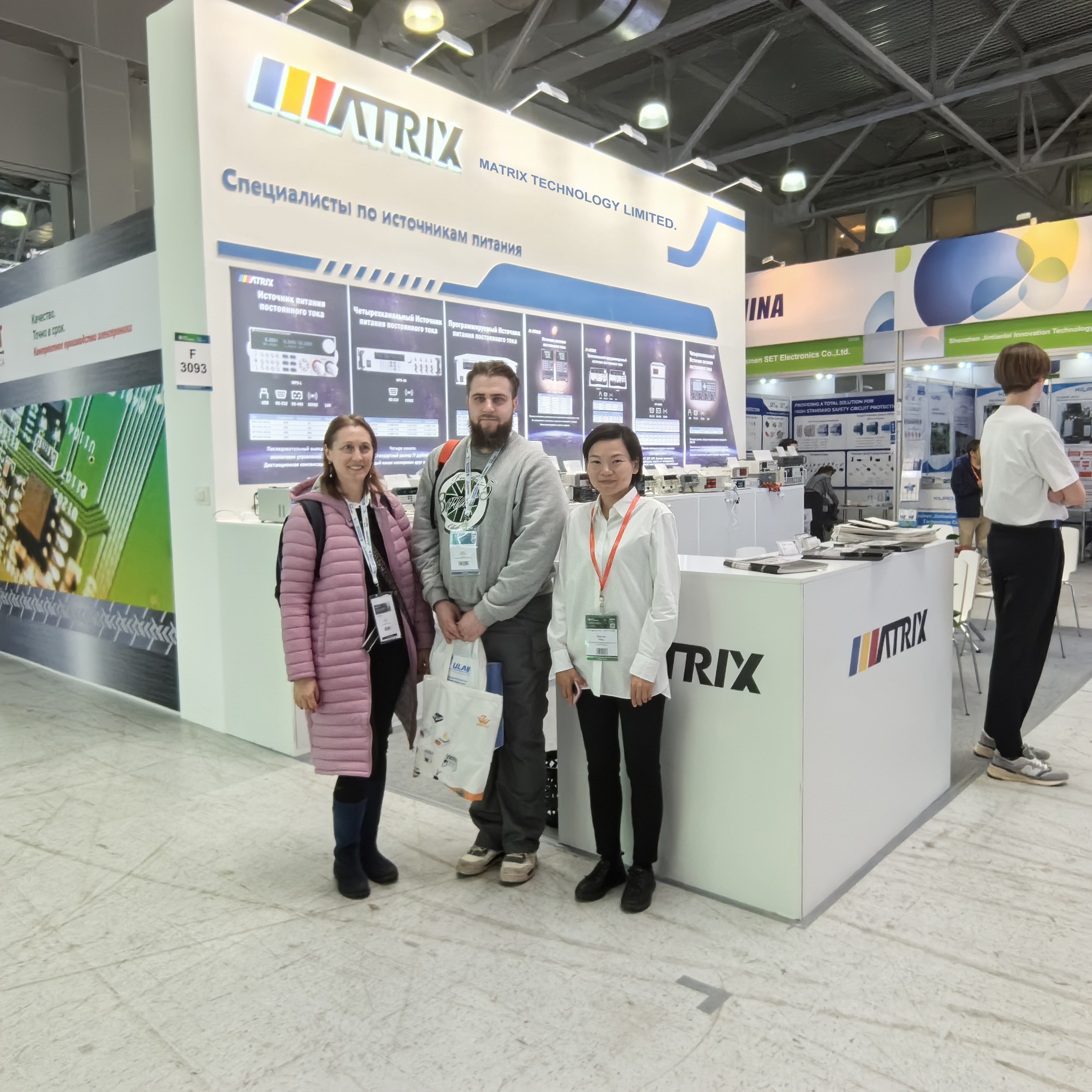
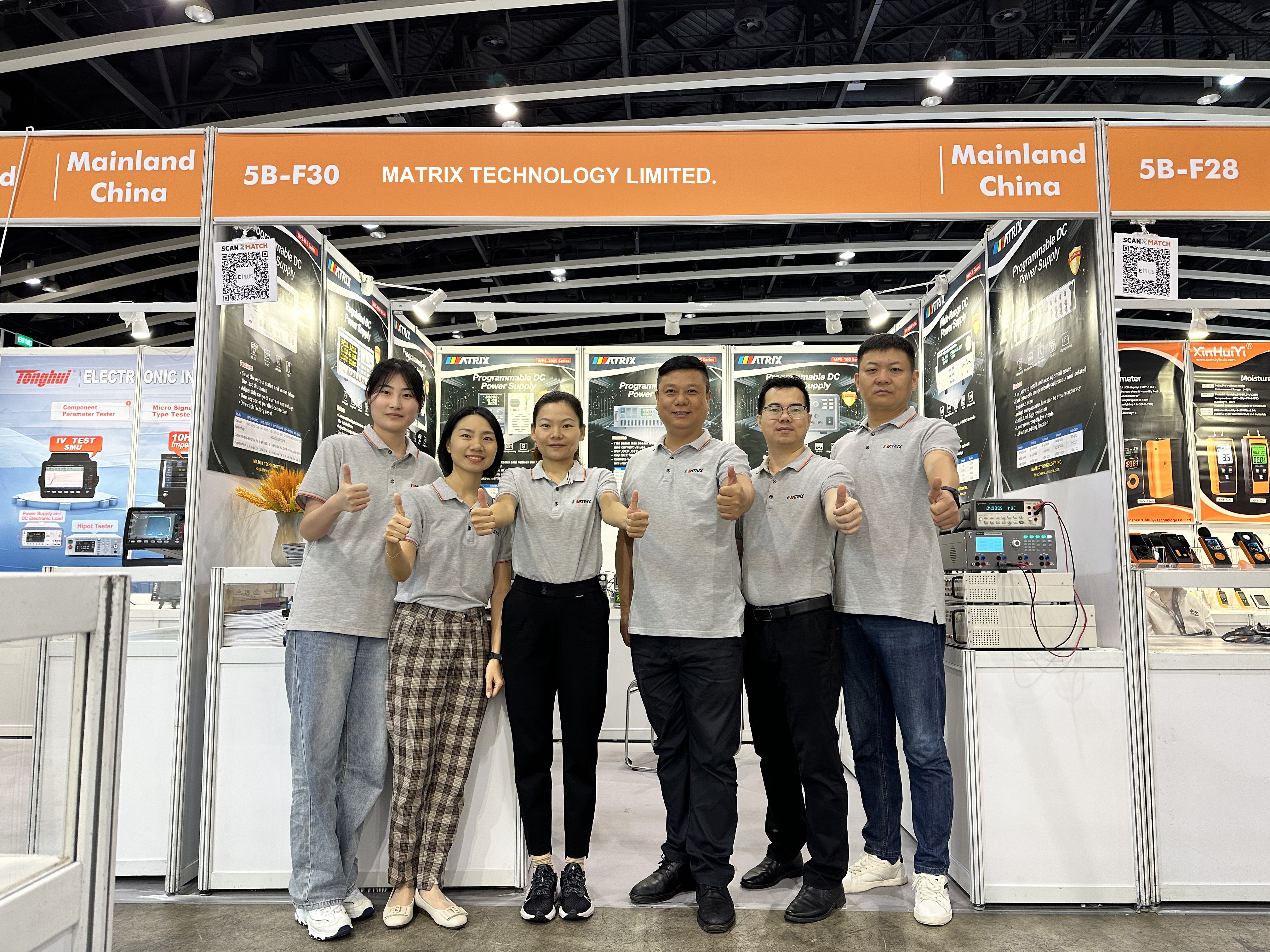
Established in 2003, Guangzhou Matrix Power Technology Limited has spent two decades at the forefront of power innovation. Our headquarters in Guangzhou, China, serves as a hub for R&D that supports over 80 countries. With ISO9001, CE, and ROHS certifications, we don't just sell power supplies; we provide the reliability that conductivity meter manufacturers depend on for their production lines.

Tech Roadmap & Future Outlook
The next decade of conductivity measurement will be defined by Smarter Systems and Energy Autonomy. We are moving toward "self-calibrating" sensors that use AI to predict probe fouling before it affects the data. Furthermore, the integration of wireless transmission (LoRaWAN/5G) into industrial meters means that a centralized DC power management system will be required to maintain massive sensor arrays across large industrial campuses.
Matrix Power is already developing the next generation of PWM-modulated power converters to support this energy-efficient future, ensuring that the suppliers we partner with are always a step ahead of the technological curve.
Q&A: Technical FAQ for Professionals
A: Conductivity increases significantly with temperature (typically 2% per °C). Accurate suppliers provide meters with Automatic Temperature Compensation (ATC) to normalize readings to 25°C.
A: Conductivity measures the ability of a solution to conduct electricity, while TDS (Total Dissolved Solids) is an estimate of the mass of dissolved minerals. Most meters calculate TDS by multiplying conductivity by a conversion factor.
A: Any ripple or noise in the power source can be misinterpreted as sensor signal, leading to inaccurate K-factor calibration. Using a Matrix High-Precision Linear Supply eliminates this variable.
A: Yes, via 4-20mA or RS485 outputs. Our programmable power supplies often power the PLCs that handle these automated dosing signals.