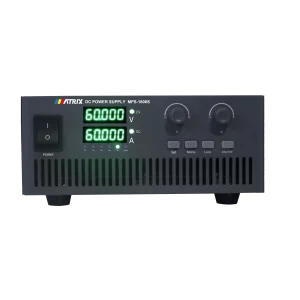
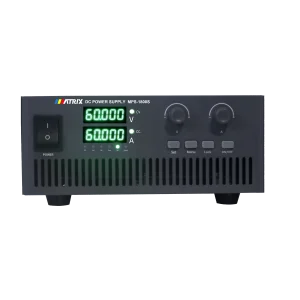
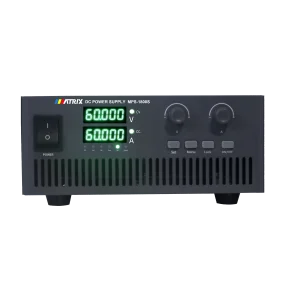
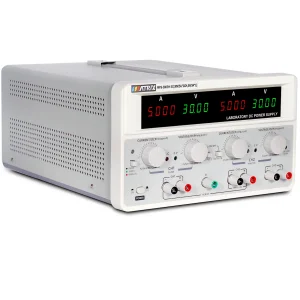
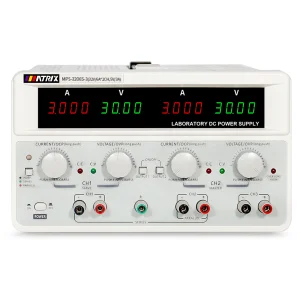
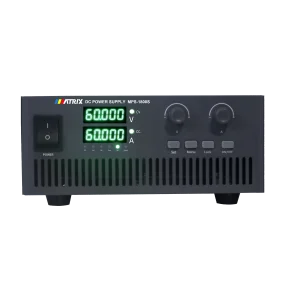
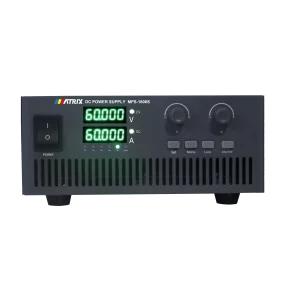
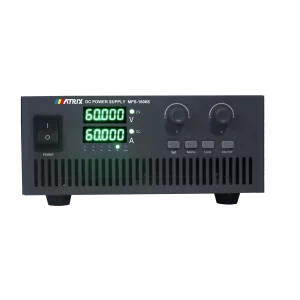
Featured Precision Instrumentation
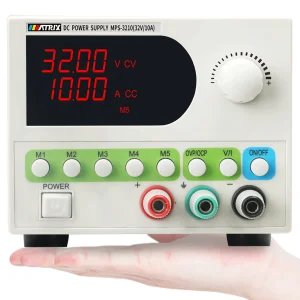
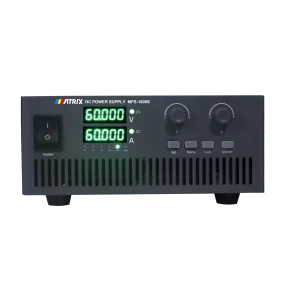
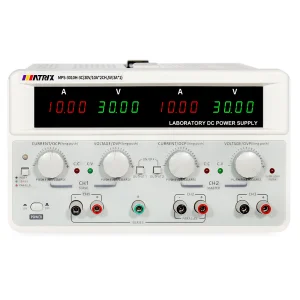
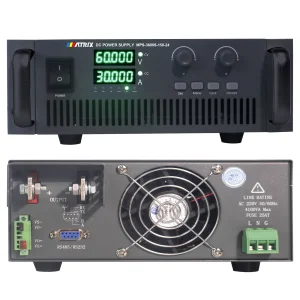
The Evolution of Electronic Load Testing in Industry 4.0
In the modern electrical engineering landscape, the Electronic Load Tester has transitioned from a simple resistive sink to a sophisticated, programmable instrument essential for validating power conversion systems. As we enter the era of Industry 4.0, the demand for precision, efficiency, and data integration has redefined what it means to be a "trusted supplier."
Today's global markets—spanning from electric vehicles (EV) to renewable energy storage—require Electronic Loads that can simulate complex, real-world dynamic load profiles. This "Information Gain" in testing is what separates market leaders from followers. Modern suppliers are no longer just selling hardware; they are providing the critical diagnostic eyes for R&D engineers worldwide.
High Power Density
Miniaturization of electronic components requires loads that can handle massive currents in smaller bench footprints without compromising thermal stability.
Regenerative Capability
Sustainable manufacturing trends are pushing for loads that return energy back to the grid, reducing operational costs and carbon footprints.
Software-Defined Testing
Integration with Python, LabVIEW, and cloud-based monitoring allows for remote stress testing and automated life-cycle analysis.
China Factory 4.0: Supply Chain Resilience
Guangzhou and the surrounding Pearl River Delta have emerged as the global epicenter for precision power electronics. For a Trusted Electronic Load Tester Factory, resilience is built on a "vertical integration" model. This means control over everything from PCB assembly and transformer winding to the final calibration against international standards.
The efficiency advantage of Chinese manufacturing today isn't just about cost—it's about speed to market. When a global enterprise requires a custom load profile for a new satellite component, China’s agile R&D cycles can deliver prototypes in weeks, not months. This speed is underpinned by ISO 9001 quality management systems that ensure consistency across thousands of units.
About GUANGZHOU MATRIX POWER TECHNOLOGY LIMITED
GUANGZHOU MATRIX POWER TECHNOLOGY LIMITED's headquarters was established in Guangzhou, China, in 2003, and is an innovative enterprise specializing in the R&D, production, and sales of DC-regulated power supplies and AC power sources.
Our products are currently exported to more than 80 countries and regions. MATRIX POWER has obtained ISO9001, CE, ROHS, and other authoritative certifications. Our robust R&D team will continue to focus on the research and development of DC power supplies, keep providing users with more reliable, durable, and stable products.

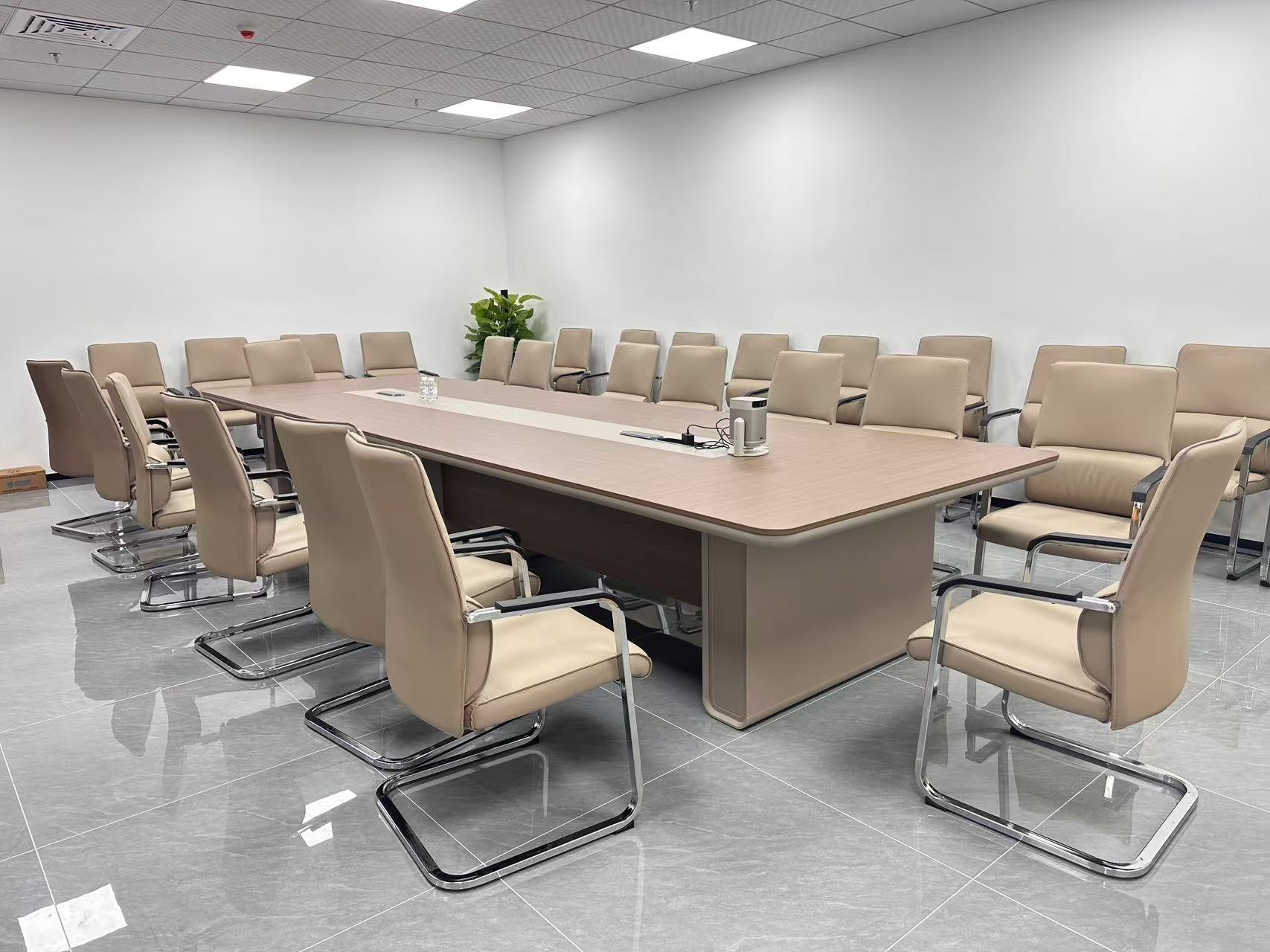
Global Industrial & Commercial Applications
From the laboratories of Silicon Valley to the automotive assembly lines in Stuttgart, Electronic Load Testers are the unsung heroes of product reliability. Understanding "Search Intent" for these devices reveals a wide spectrum of specialized use cases:
🚗 EV Battery & Charging
Simulating the rigorous discharge cycles of lithium-ion batteries and validating the efficiency of DC-DC converters in electric drive trains.
☀️ Renewable Energy
Testing MPPT (Maximum Power Point Tracking) algorithms in solar inverters by simulating varying atmospheric conditions as electrical loads.
🛰️ Aerospace & Defense
Ensuring ultra-low ripple and high stability for sensitive avionics and satellite communication equipment under extreme temperature swings.
Global Presence & Certification
Our commitment to E-E-A-T (Experience, Expertise, Authoritativeness, Trustworthiness) is demonstrated through our active participation in global industry benchmarks.
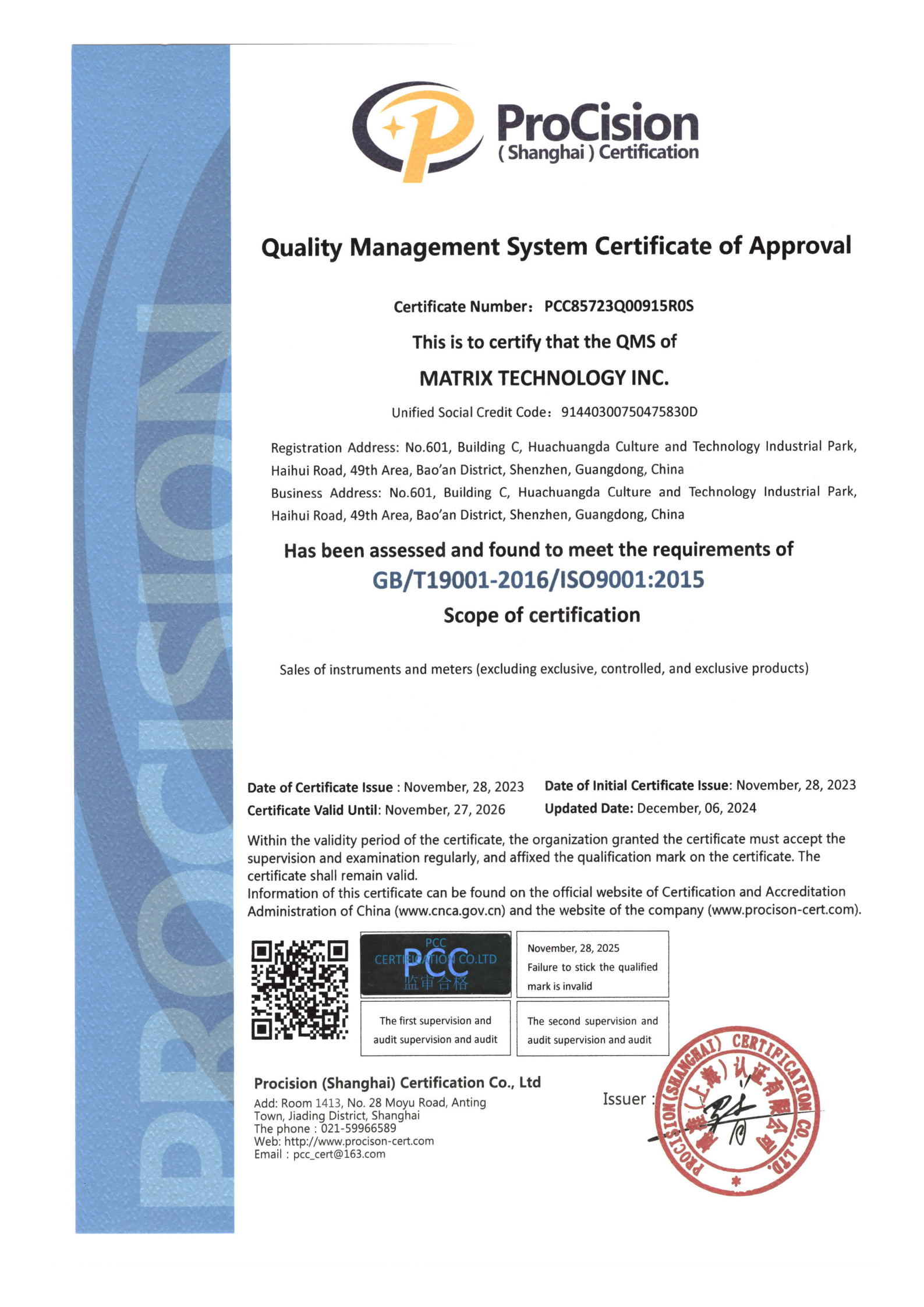
ISO 9001 Certified Quality Management
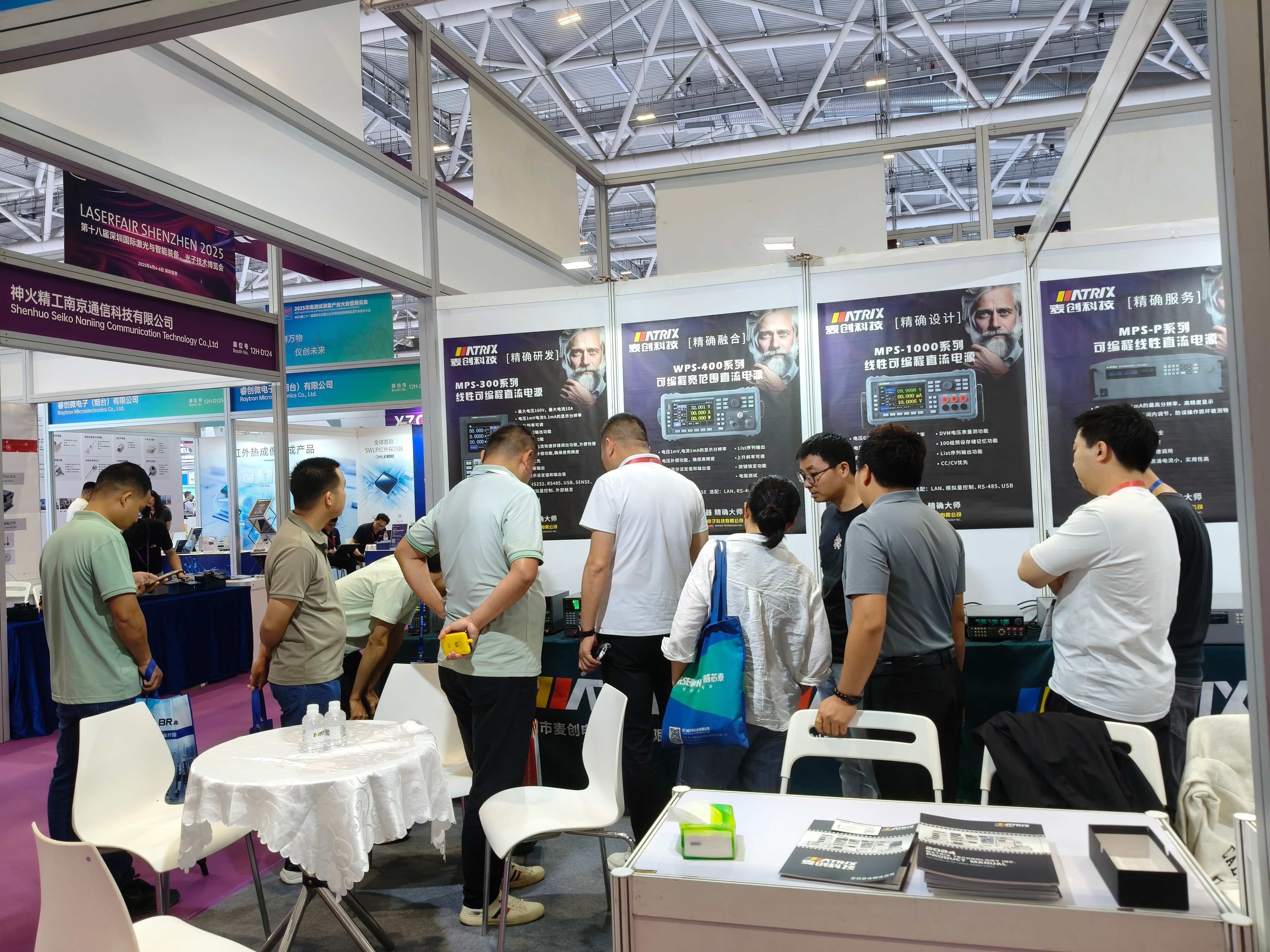
2025 South China Testing and Measurement Industry Conference
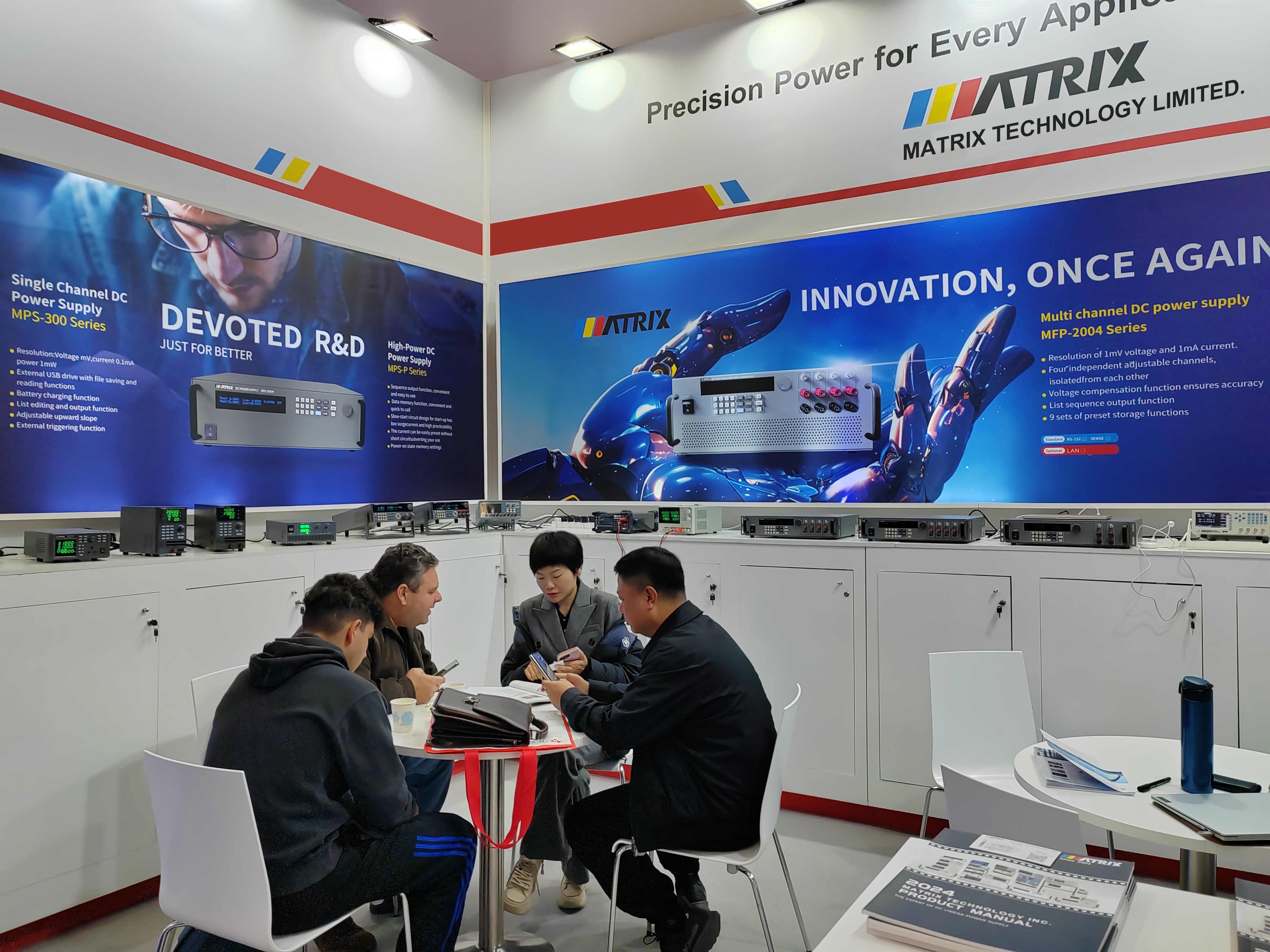
2024 Munich Exhibition in Germany
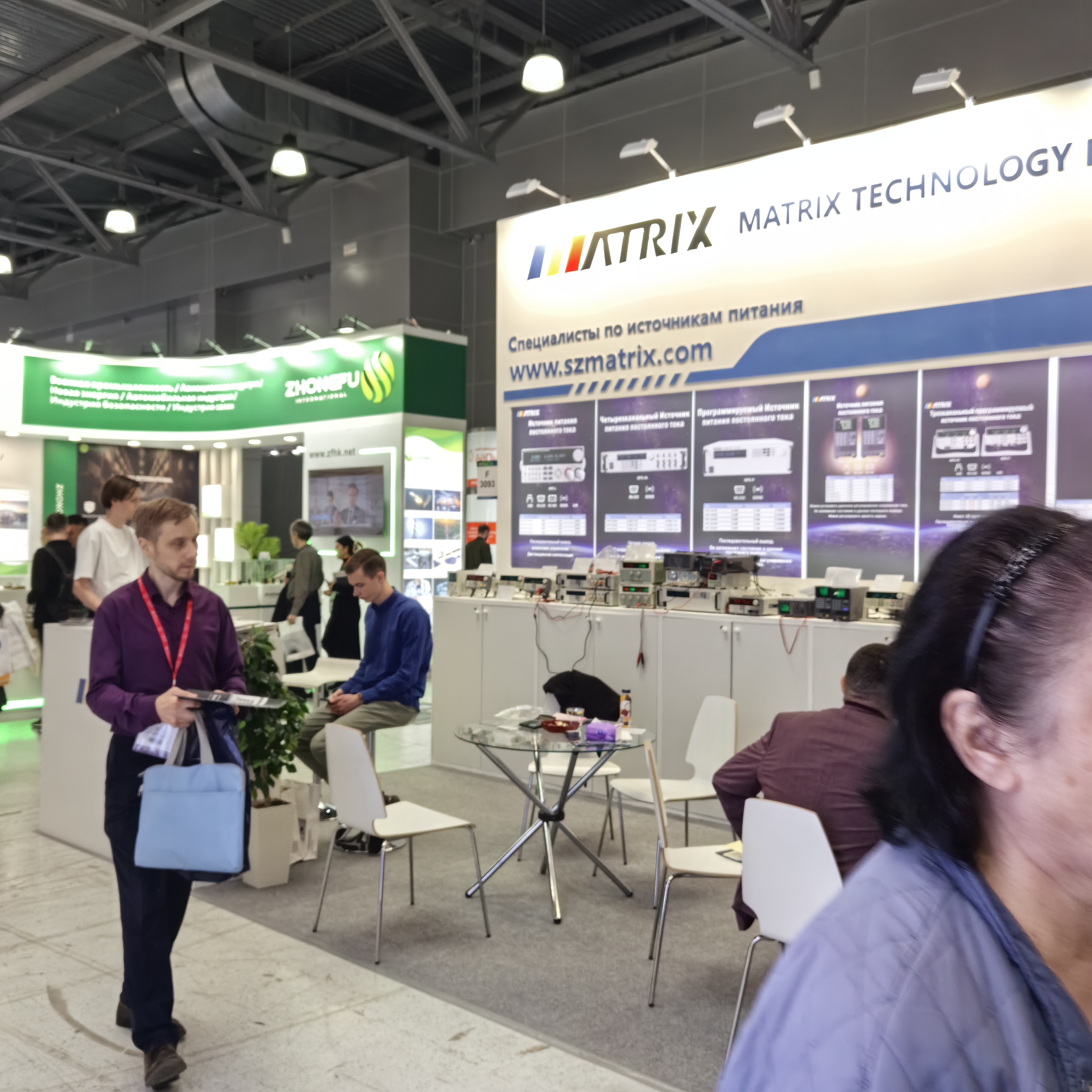
EXPO ELECTRONICA - International Market Insights
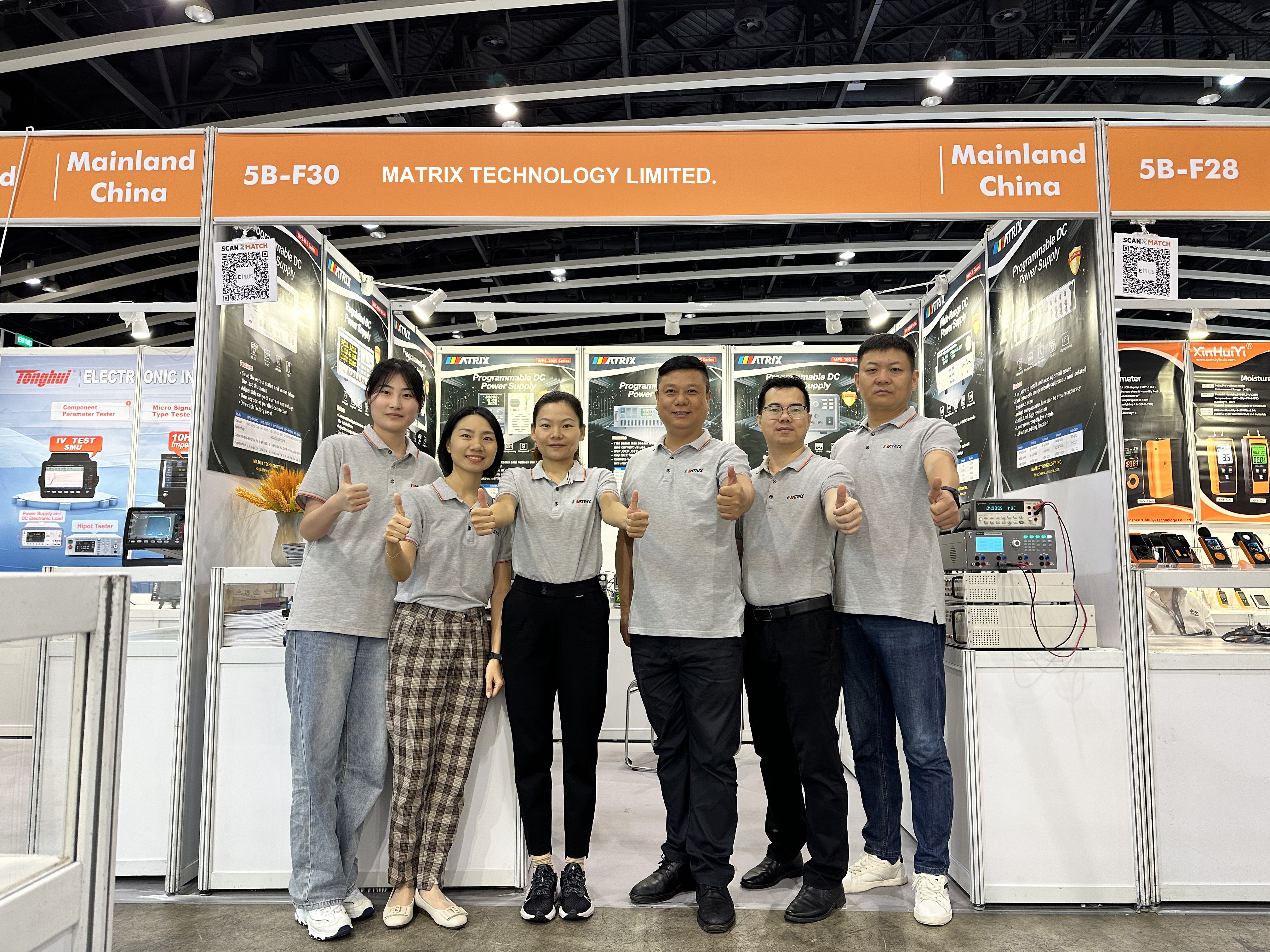
electronicAsia - Regional Tech Leadership
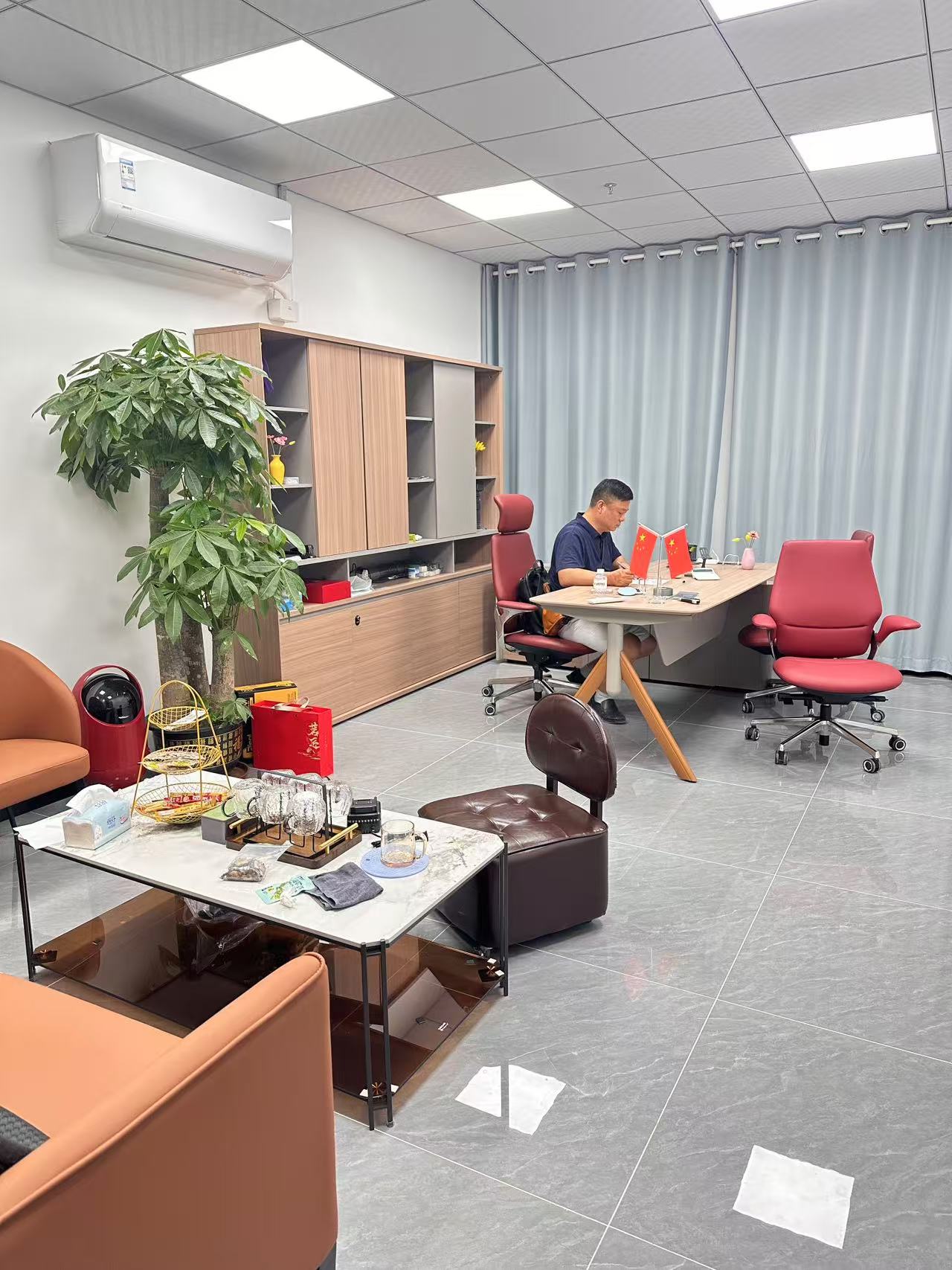
Manufacturing Excellence & Continuous R&D
Frequently Asked Questions (FAQ)
What is the difference between a DC Power Supply and an Electronic Load?
A DC Power Supply provides energy to a device (Source), whereas an Electronic Load consumes energy from a device (Sink) to simulate various electrical conditions and test its performance.
Why choose a Chinese factory for high-precision testing equipment?
Modern Chinese factories like Matrix Power offer a unique blend of "Factory 4.0" automation, massive supply chain resilience, and a deep pool of electronic engineering talent, resulting in high-E-E-A-T products at competitive global prices.
What safety certifications should I look for in a supplier?
A trusted supplier must hold ISO 9001 for management, along with CE and ROHS certifications to ensure compliance with international safety and environmental standards.
Can these electronic loads be integrated into automated test systems (ATE)?
Yes, most professional models feature RS232, RS485, or USB interfaces and support standard protocols like SCPI for seamless integration into LabVIEW or custom automated environments.