Precision Power & Impedance Testing Platforms for Calgary
Engineered to support dynamic component analysis, high-power biasing, and high-precision testing workflows across Calgary's industrial innovation zones.
Overview of Calgary's Advanced Industrial Testing Environment
Calgary, Alberta, has evolved from a traditional oil and gas hub into a leading Canadian center for industrial technology, clean-energy systems, and aerospace engineering. This shift requires high-level electronic testing instrumentation. In advanced electronics manufacturing and heavy-duty system integration, characterizing component performance under load is essential. The demand for LCR meters in Calgary spans specialized sub-sectors: downhole telemetry sensor R&D, smart electric grid inverter design, and environmental testing for equipment operated in high-stress Northern environments.
Accurate measurement of Inductance (L), Capacitance (C), and Resistance (R) forms the basis of reliable RF and power electronics design. Standard LCR meters, however, often measure passive components in static states. Real-world applications—such as downhole drilling telemetry tools or solar power conditioning equipment—subject passive components to high voltages, high temperatures, and dynamic currents. Combining high-accuracy LCR instrumentation with programmable DC power sources helps engineers evaluate components under operational thermal stresses, variable load conditions, and continuous high-voltage bias.
Understanding LCR Measurement under Real-World Bias Conditions
Inductors, capacitors, and resistors used in power converters, EV drivetrains, and aerospace control systems change their values under load. To evaluate these components, engineers perform LCR sweep measurements while applying a DC bias current or voltage to the DUT (Device Under Test). This process reveals parameters like magnetizing inductance degradation under bias current, capacitance drift under high voltage, and thermal aging characteristics.
Technical Note: Measuring an inductor's properties under high current requires a stable, low-noise programmable DC power supply connected in parallel with an LCR meter. Without a stable power source, noise from the power supply will distort the LCR measurements, and the AC stimulus from the LCR meter may feed back into and damage the DC source. Incorporating specialized interface bias networks protects the system and maintains measurement integrity.
Why This Matters for Calgary's Advanced Engineering Sectors:
- Sub-surface Telemetry & Sensing: Downhole tooling components operate in temperatures up to 175°C and higher, surrounded by electromagnetic interference (EMI). Under these conditions, the inductance of telemetry transceivers must remain stable. Engineers use specialized test fixtures with programmable DC bias supplies to characterize magnetic cores over these temperature and bias ranges.
- Renewable Power Conversions & Smart Grids: With Alberta expanding its grid capacity, local system integrators develop utility-scale solar, wind, and battery storage solutions. Designing these systems requires testing heavy-duty grid-tied inductors and large link capacitors with high-power DC test benches to check for saturation limits and structural dielectric breakdown.
- Aerospace & Avionics Manufacturing: Space and flight control electronics in Western Canada require strict quality control. Power supply modules must operate reliably under low atmospheric pressures and wide temperature variations. Testing requires highly stable DC inputs and precise, ripple-free current sources to confirm target impedance performance.
Industrial Testing & Calibration Product Portfolio
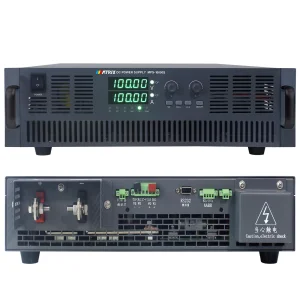
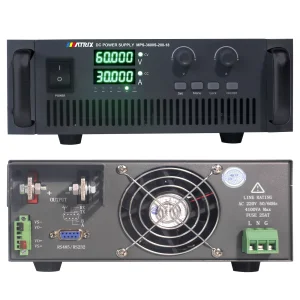
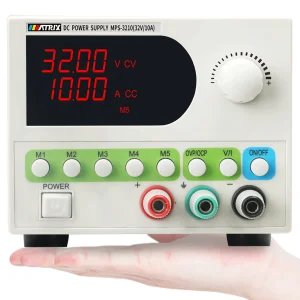
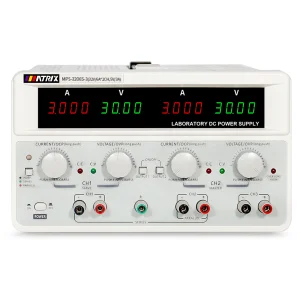
Explore our range of programmable power solutions, designed to integrate with high-frequency LCR meters and automate component testing workflows.
Integrated Test Solutions: LCR Analysis Combined with DC Power Supplies
Precision calibration requires combining instrumentation into an integrated testing ecosystem. When verifying components under actual operational current bias, using an isolated, low-noise power supply alongside your LCR measurement bridge helps guarantee accurate readings.
Key System Architecture Considerations for Calibration Engineers:
An ideal system architecture uses three core components to safely measure parameters like high-current bias inductance:
- Precision LCR Meter / Impedance Analyzer: Applies a small AC voltage or current signal to the device under test (DUT) across a range of frequencies (from 20 Hz up to several MHz) to calculate phase angles and complex impedances.
- Stable Programmable DC Current Source: Delivers the necessary bias current to test the magnetic saturation behavior of the component. The source must have very low ripple and noise to avoid impacting the LCR measurements.
- DC Bias Interface Network (Isolation Unit): Prevents AC signals from the LCR meter from feeding back into the DC power supply, while also blocking DC voltages from damaging the input circuitry of the LCR meter.
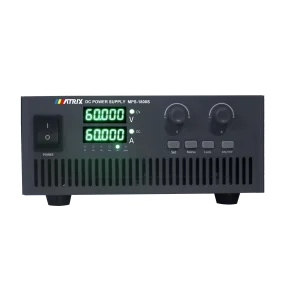
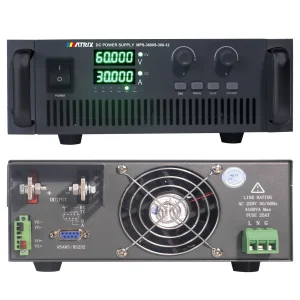
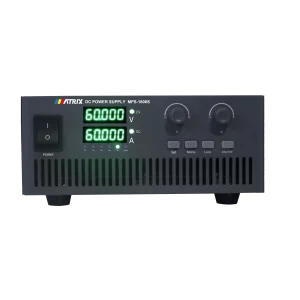
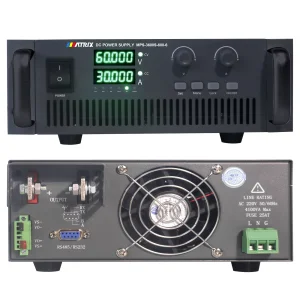
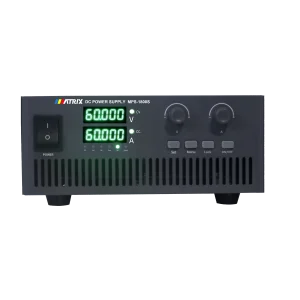
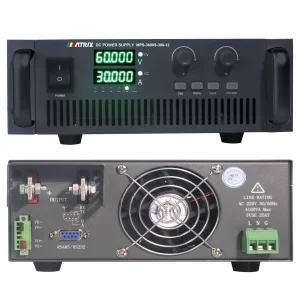
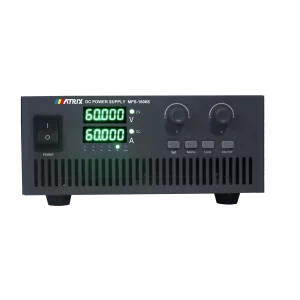
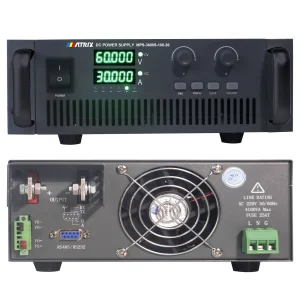
Our programmable DC power supplies, including models like the MATRIX 1800W and MATRIX 3600W, feature fast transient response times, low output noise, and programmable output slopes. These characteristics make them well-suited for automated testing racks that require clean, controllable bias currents.
Local Calgary Support, Supply Chain Reliability & Certification
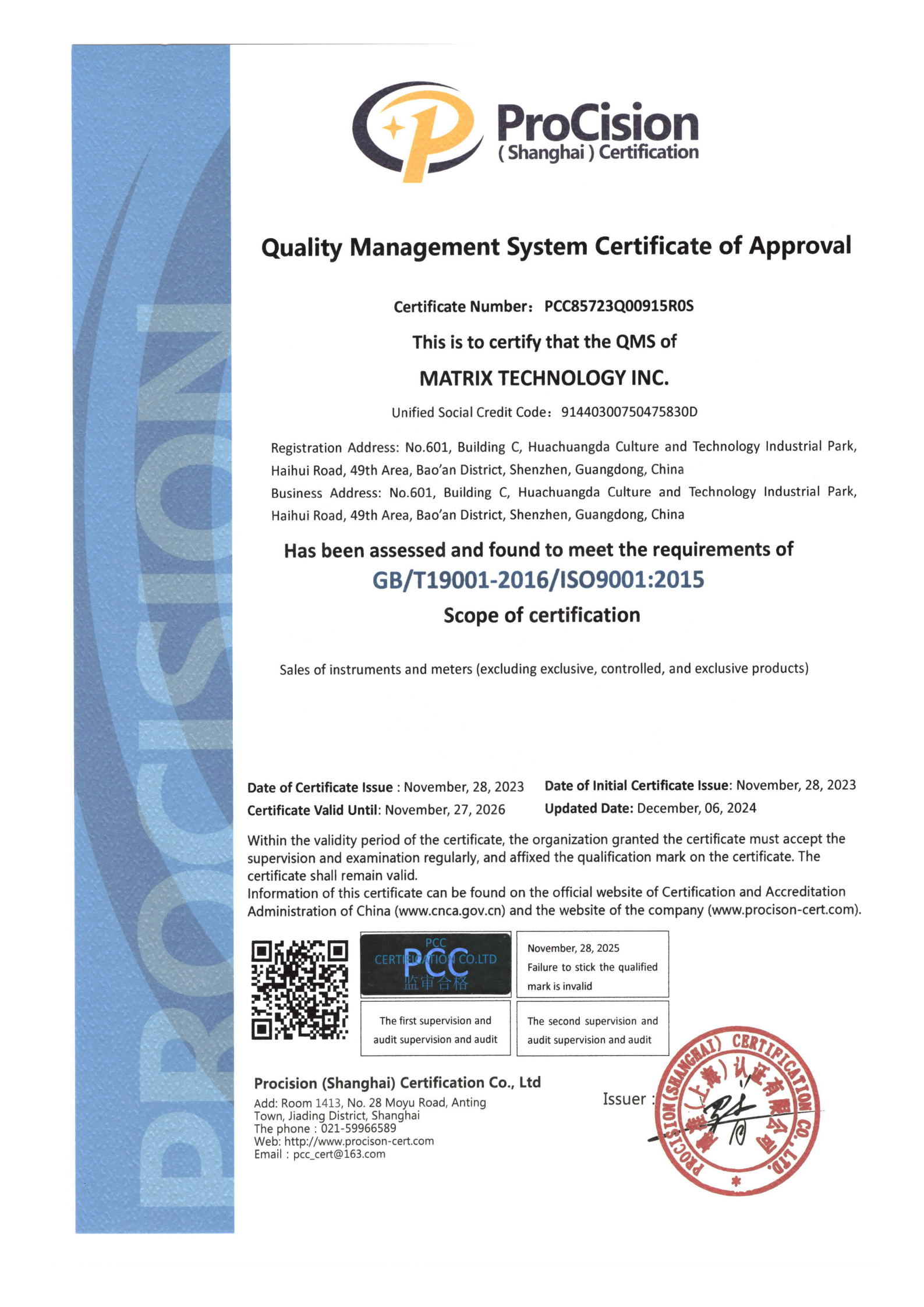
Working with premium test equipment requires reliable local support, straightforward importing, and compliance with Canadian electrical standards. GUANGZHOU MATRIX POWER TECHNOLOGY LIMITED exports testing solutions to more than 80 countries, backed by ISO 9001 quality management, CE, and RoHS certifications. We collaborate with calibration labs and industrial distributors throughout Western Canada to ensure our equipment meets local standards, including CSA testing compliance.
Guangzhou Matrix Power Technology Limited
Established in 2003 in Guangzhou, China, our headquarters has focused on the research, development, production, and sales of high-performance DC-regulated power supplies and AC power sources. Our R&D team continues to design stable, durable, and precise testing instrumentation, serving laboratories, factories, and research centers worldwide.
Whether you require standard bench power supplies for a Calgary repair shop, or high-power programmable systems for industrial R&D, we offer reliable equipment tailored to your specific application requirements.
Contact Our Calgary Supply Desk
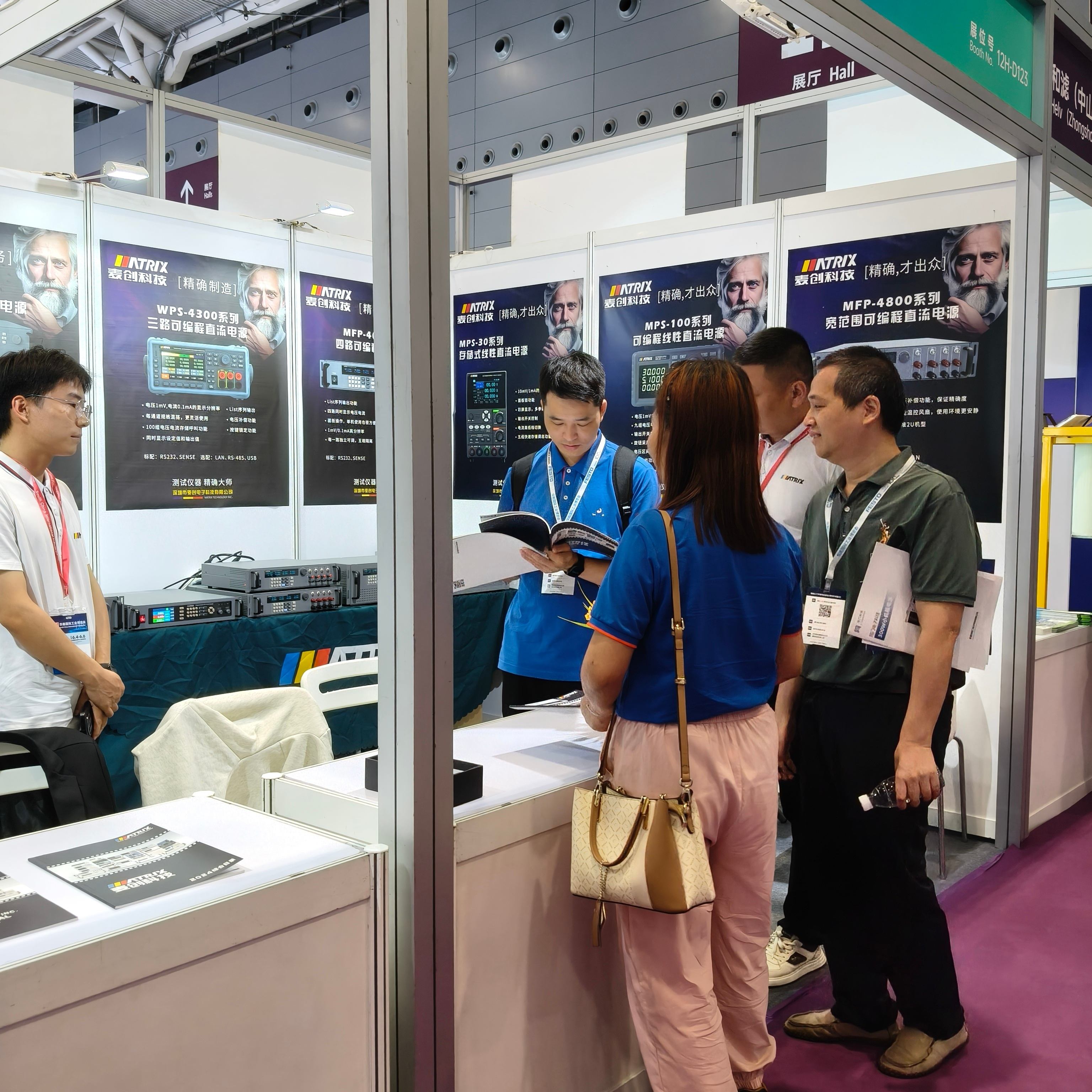
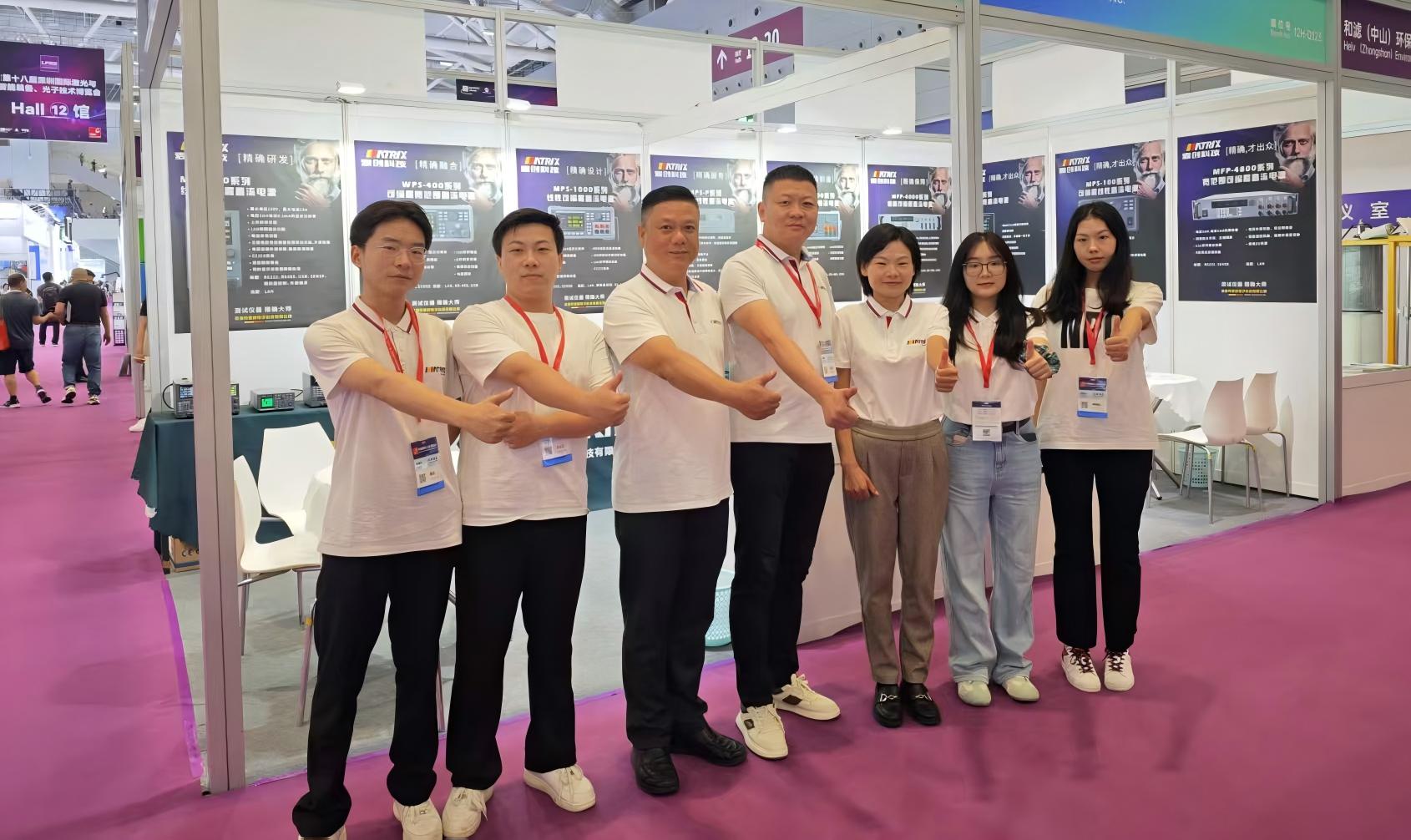
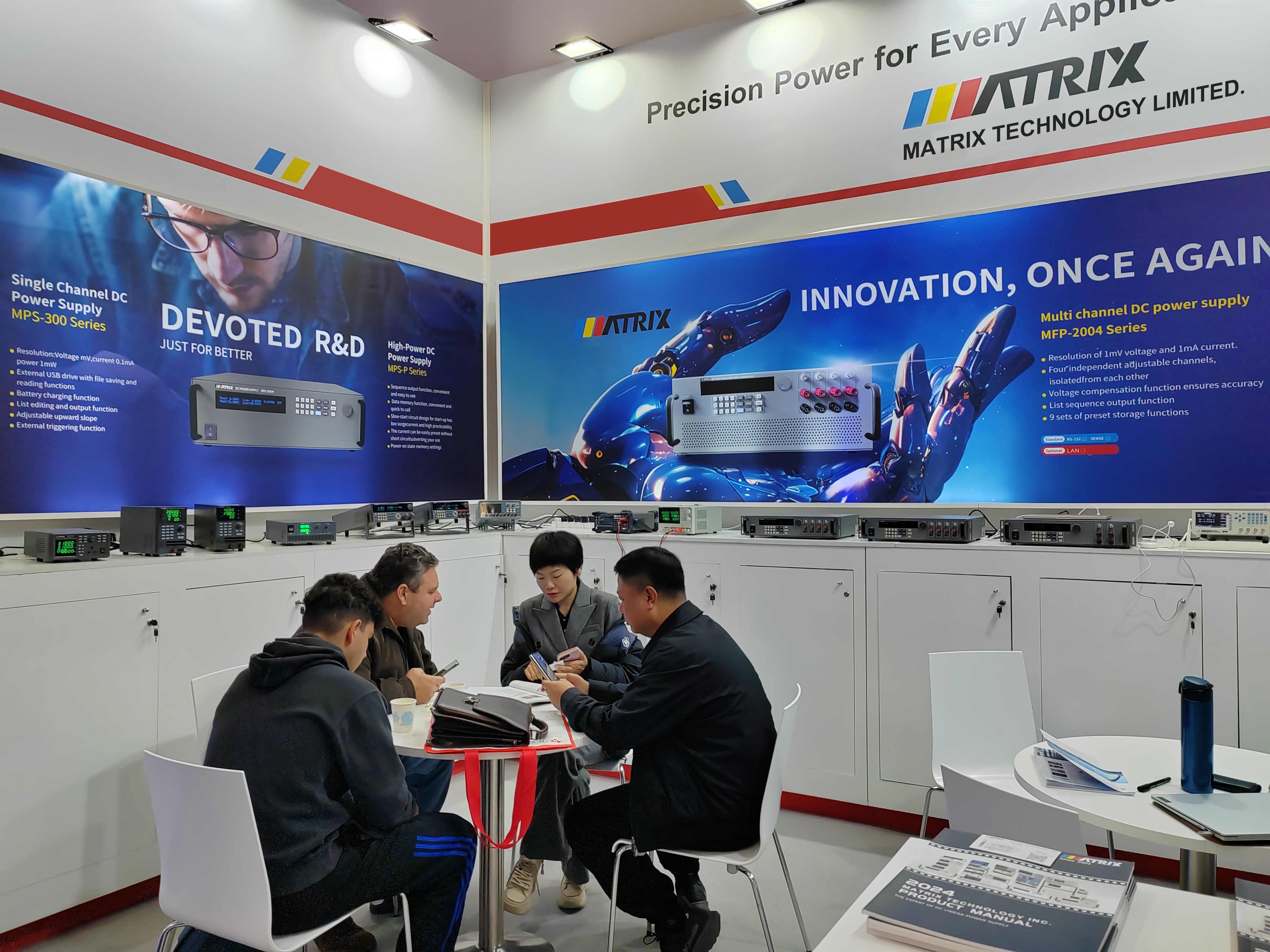
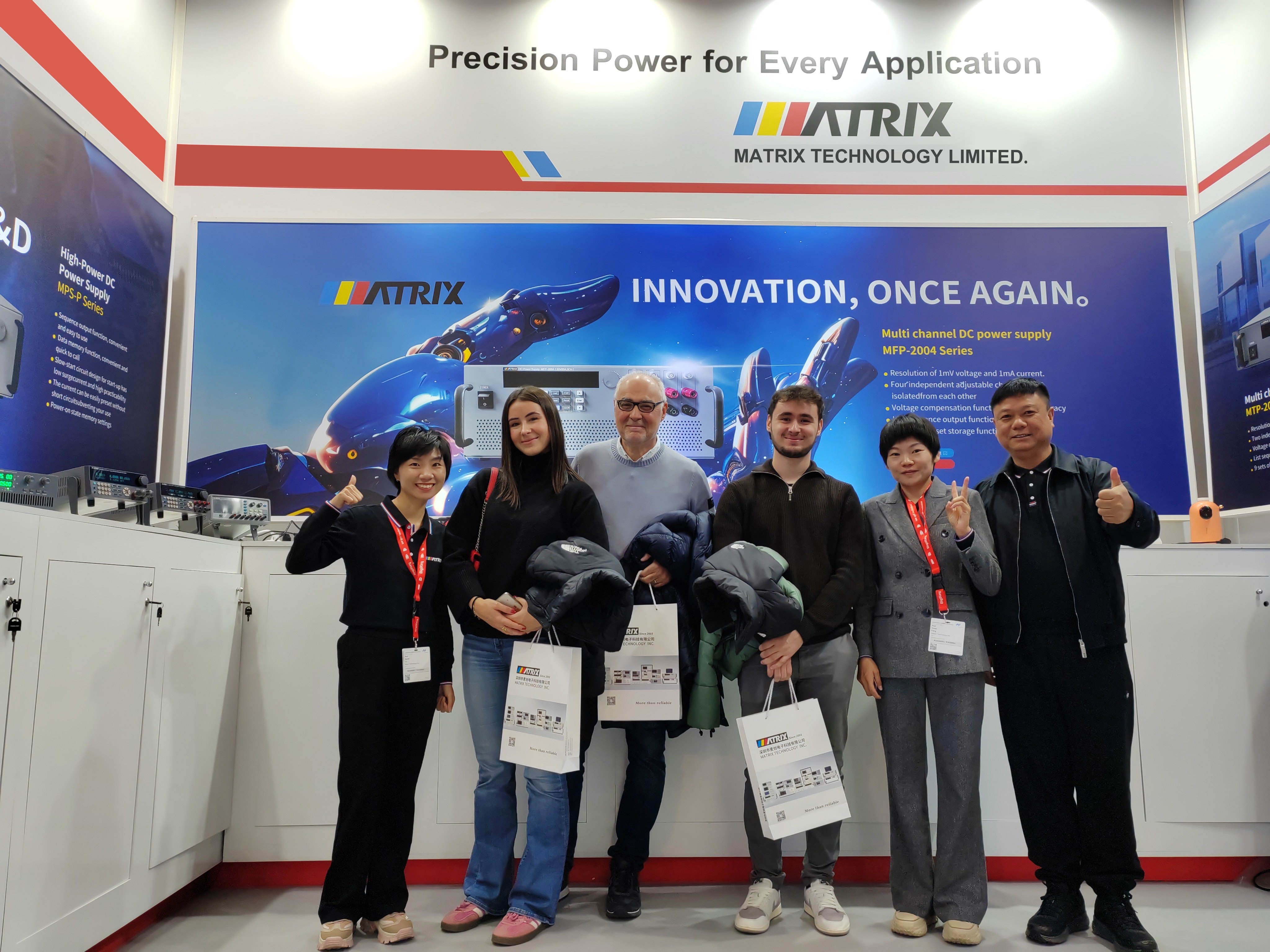
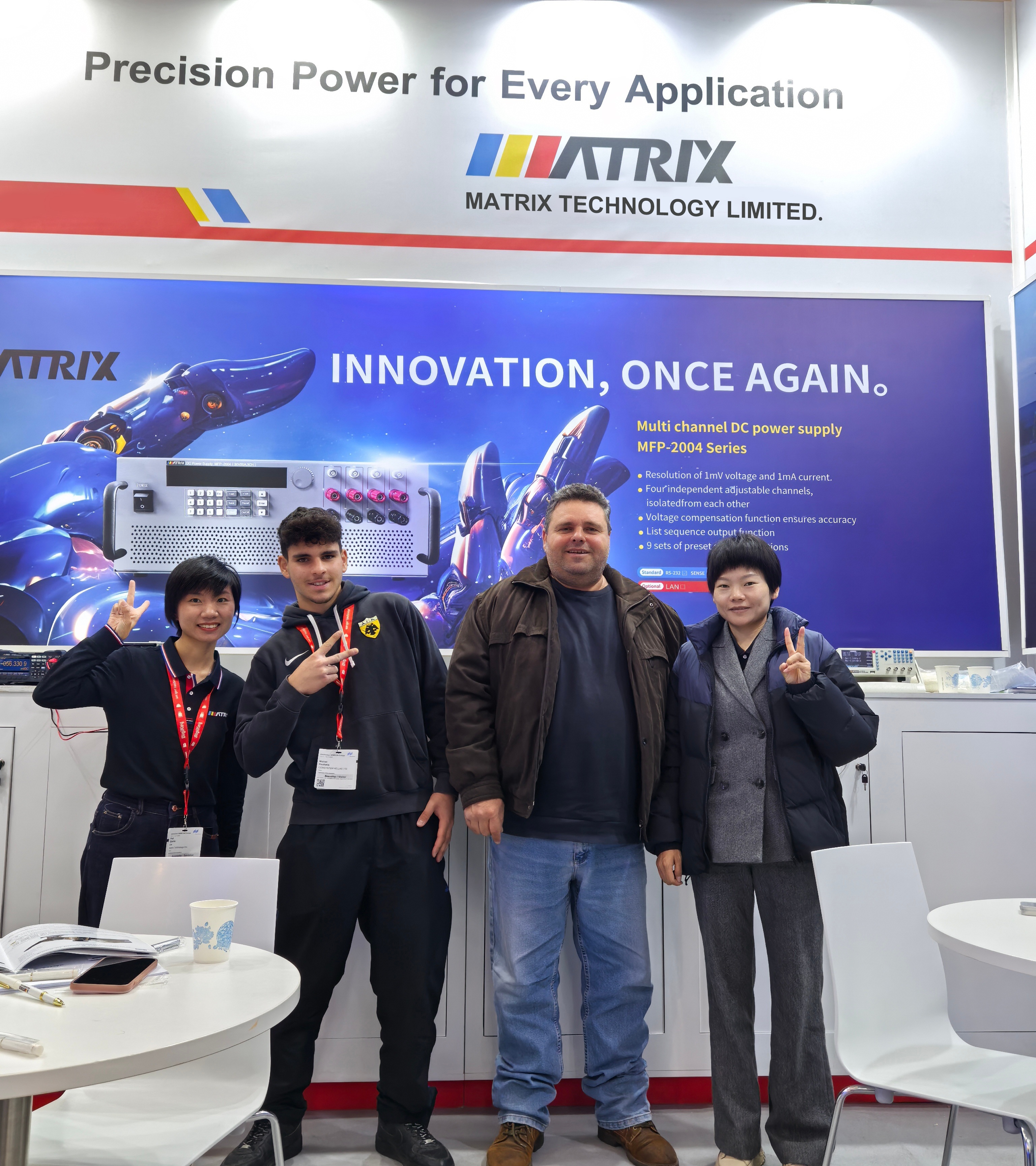
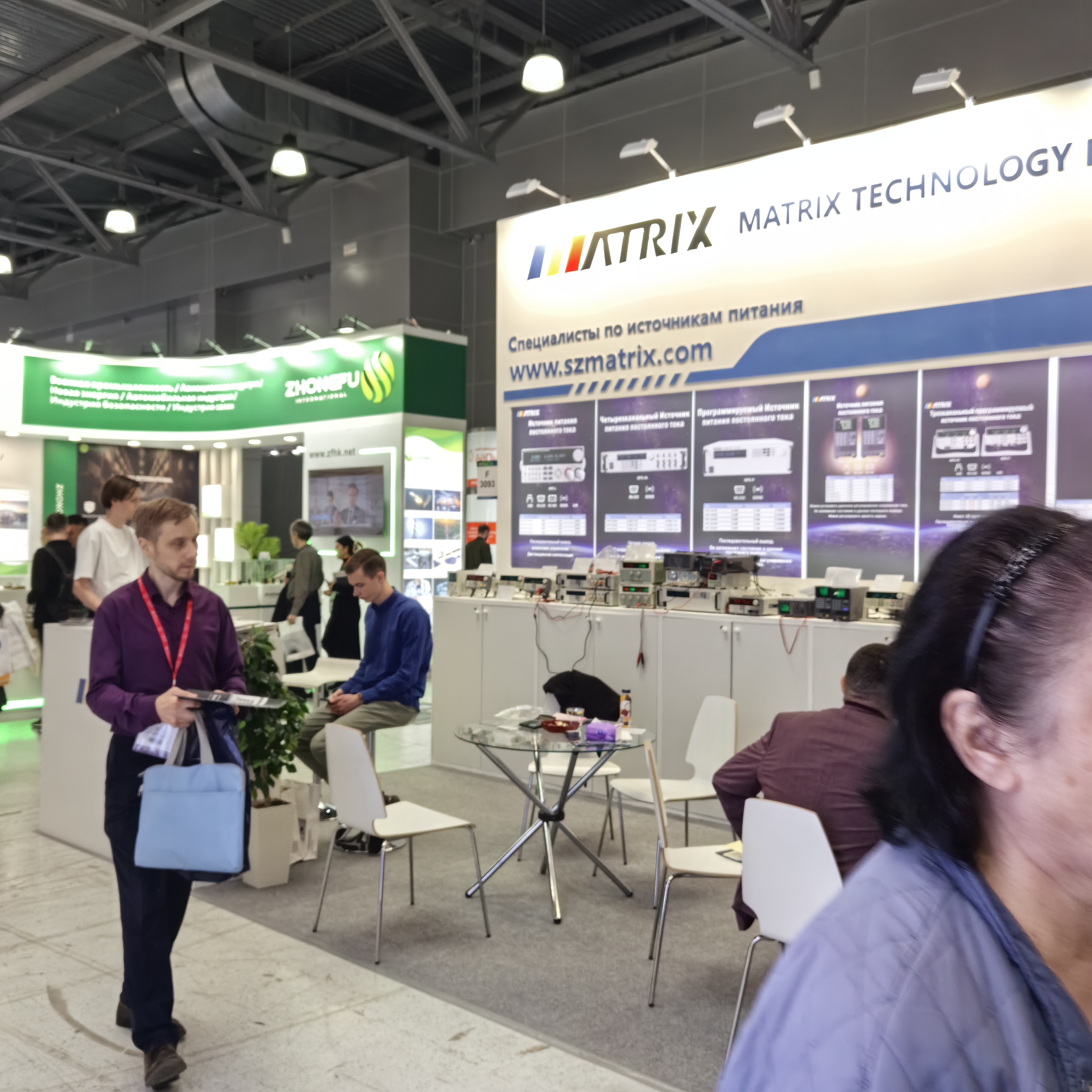
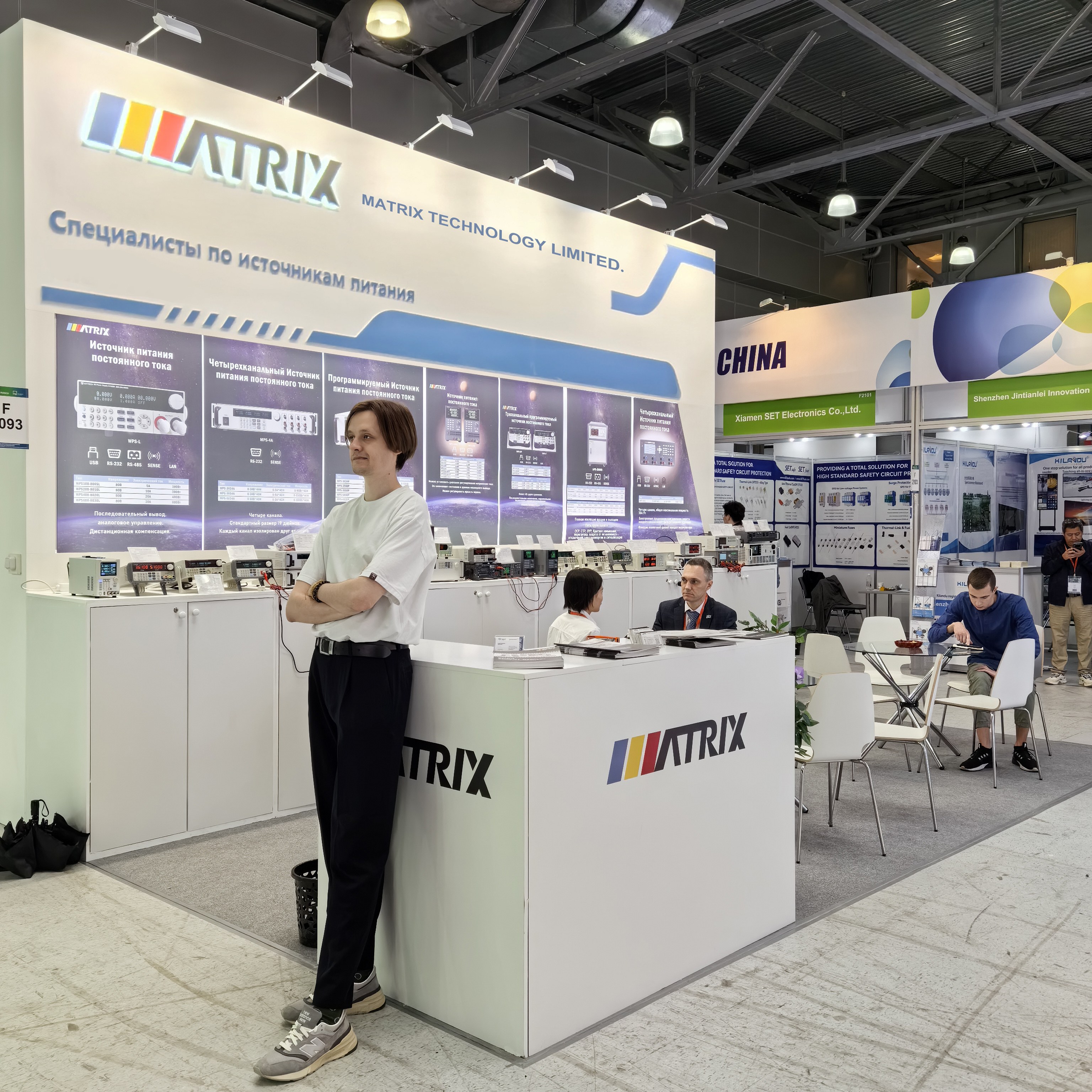
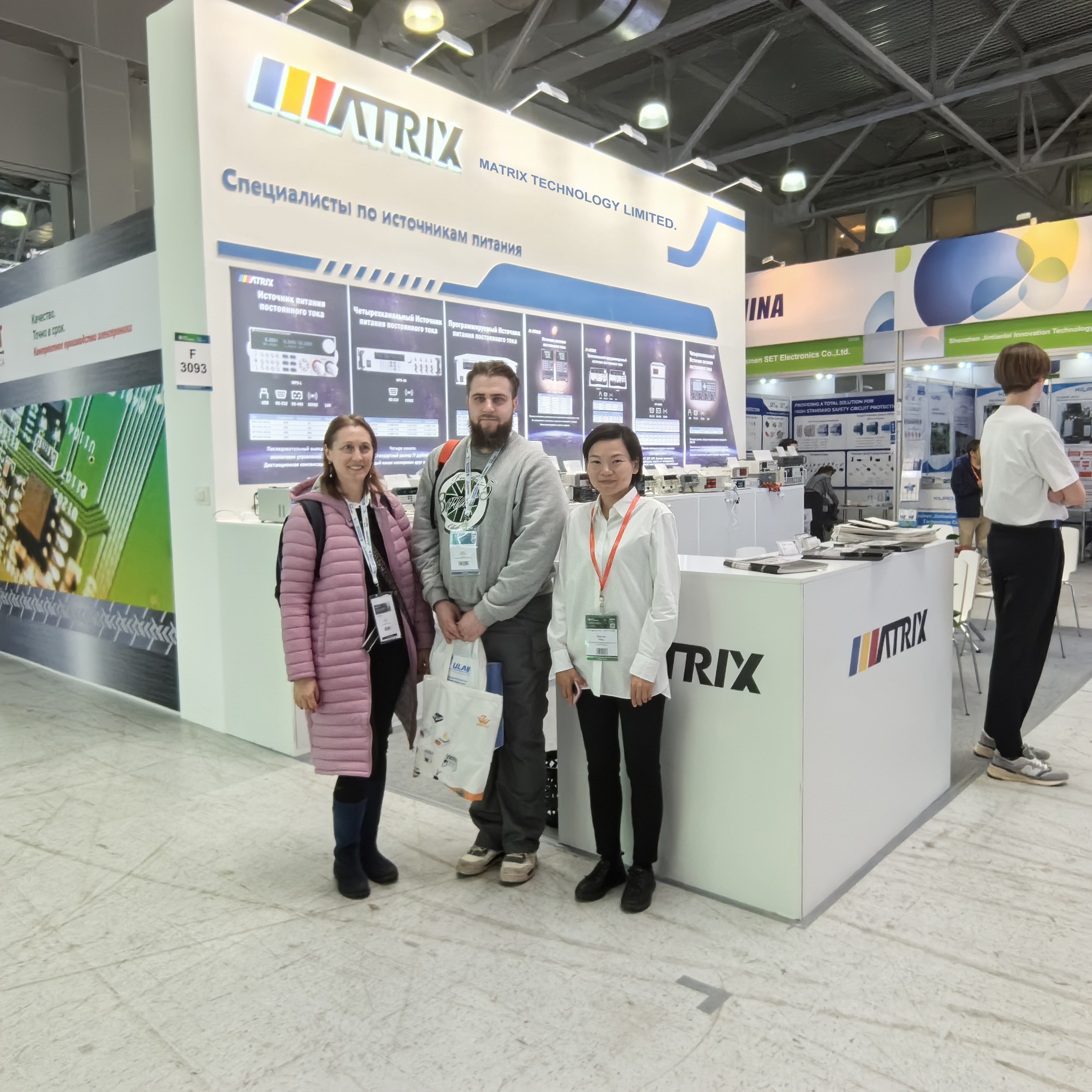
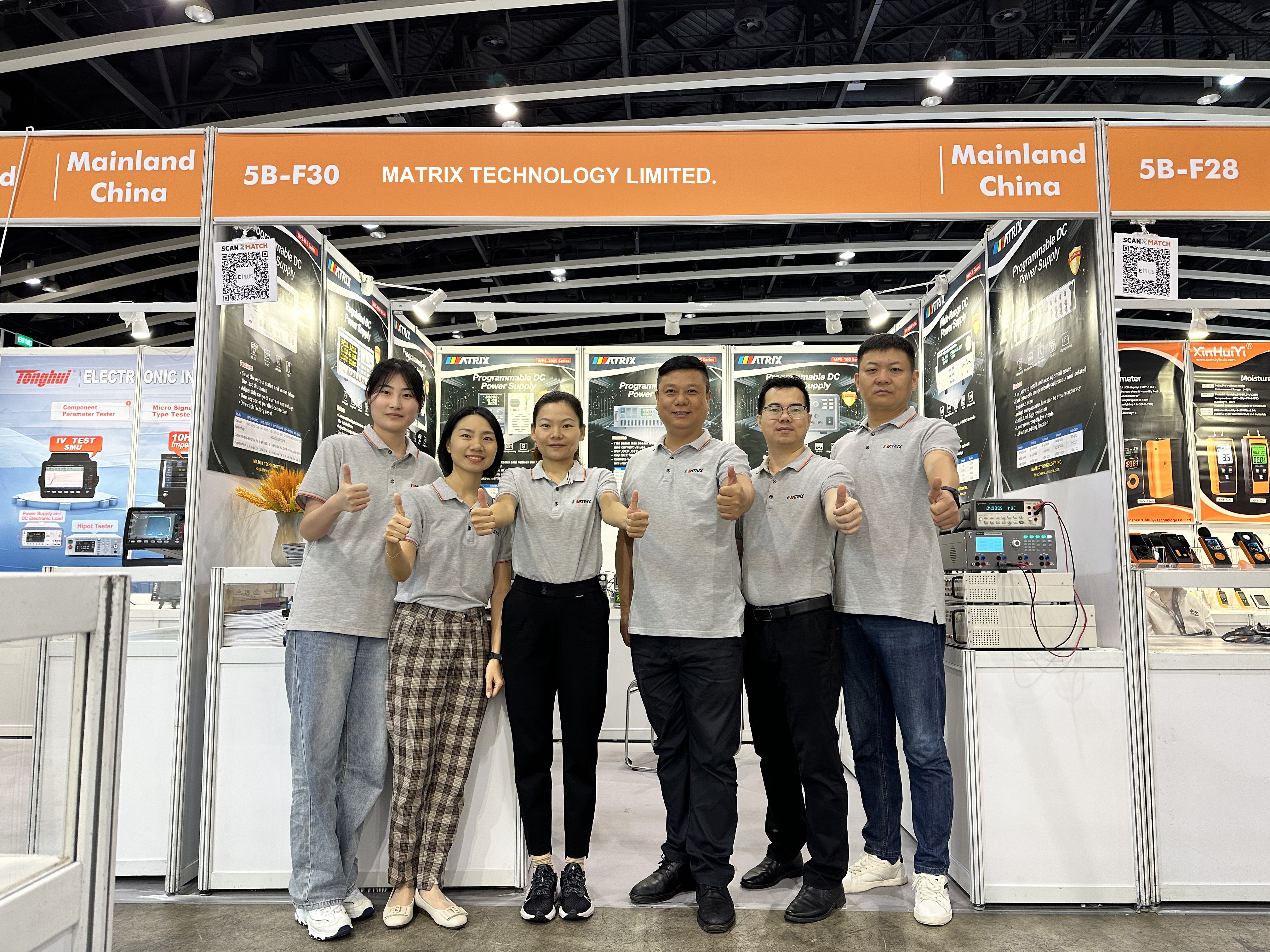
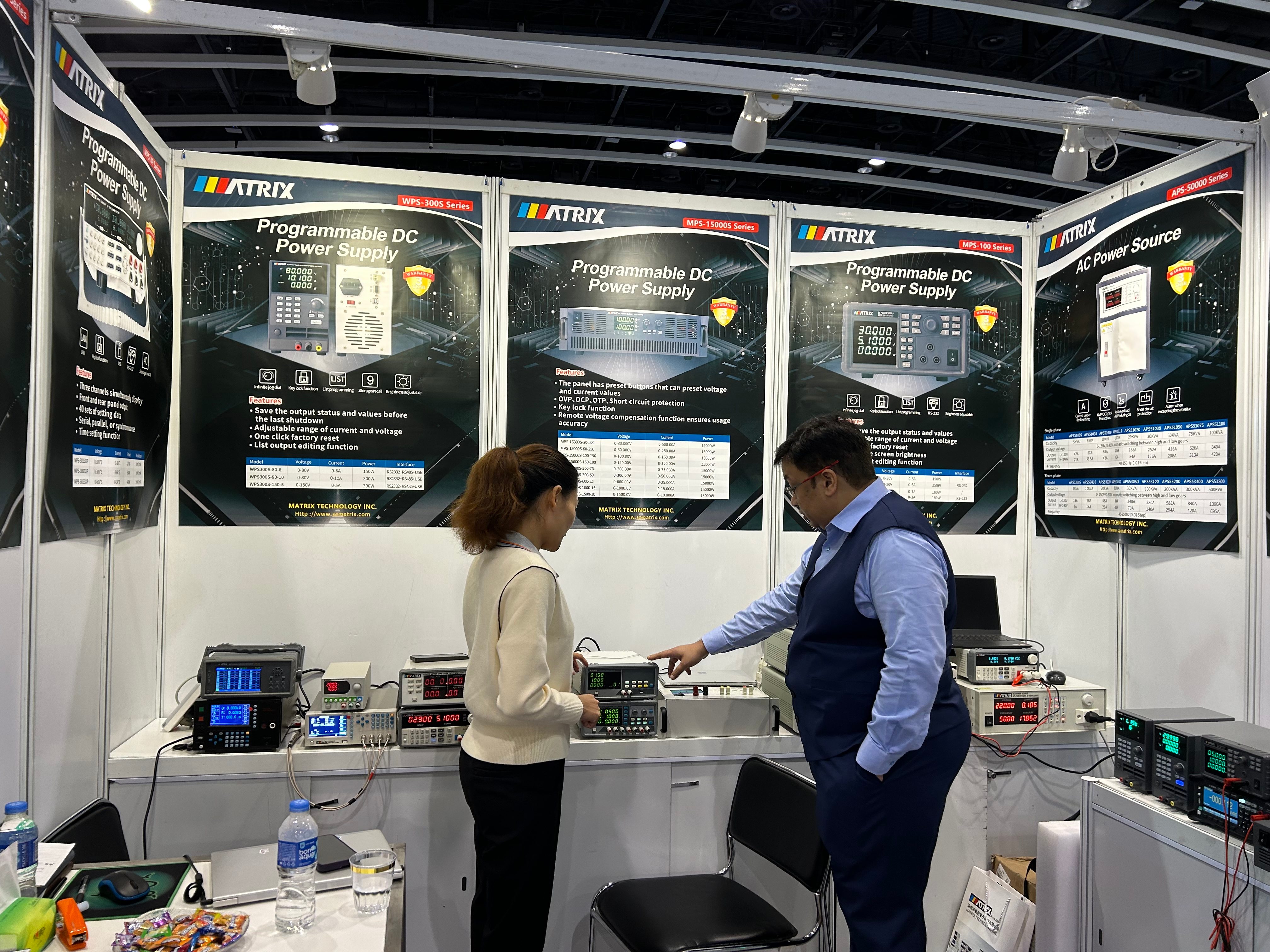
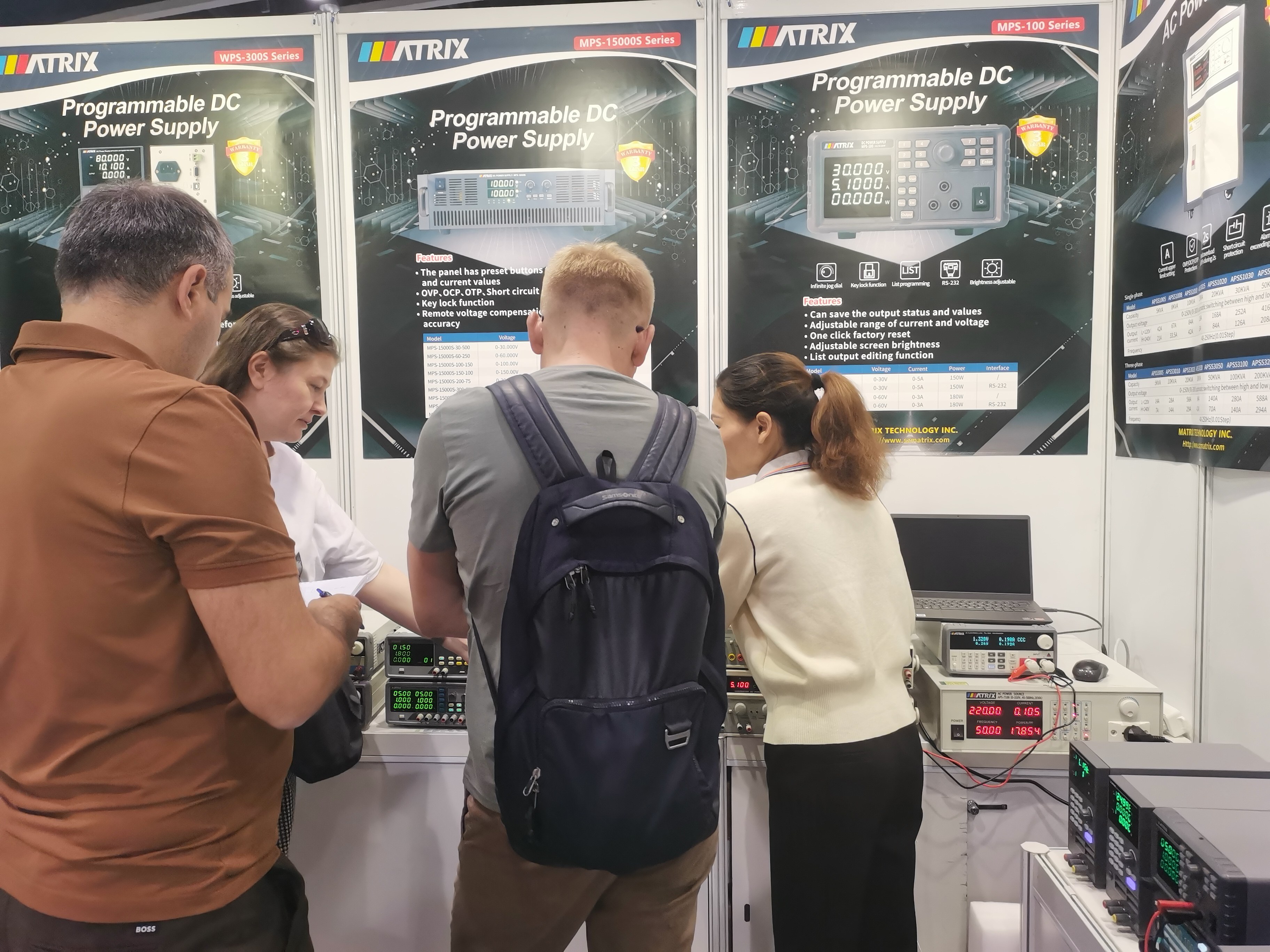
Global Industry Presence & Technical Conferences
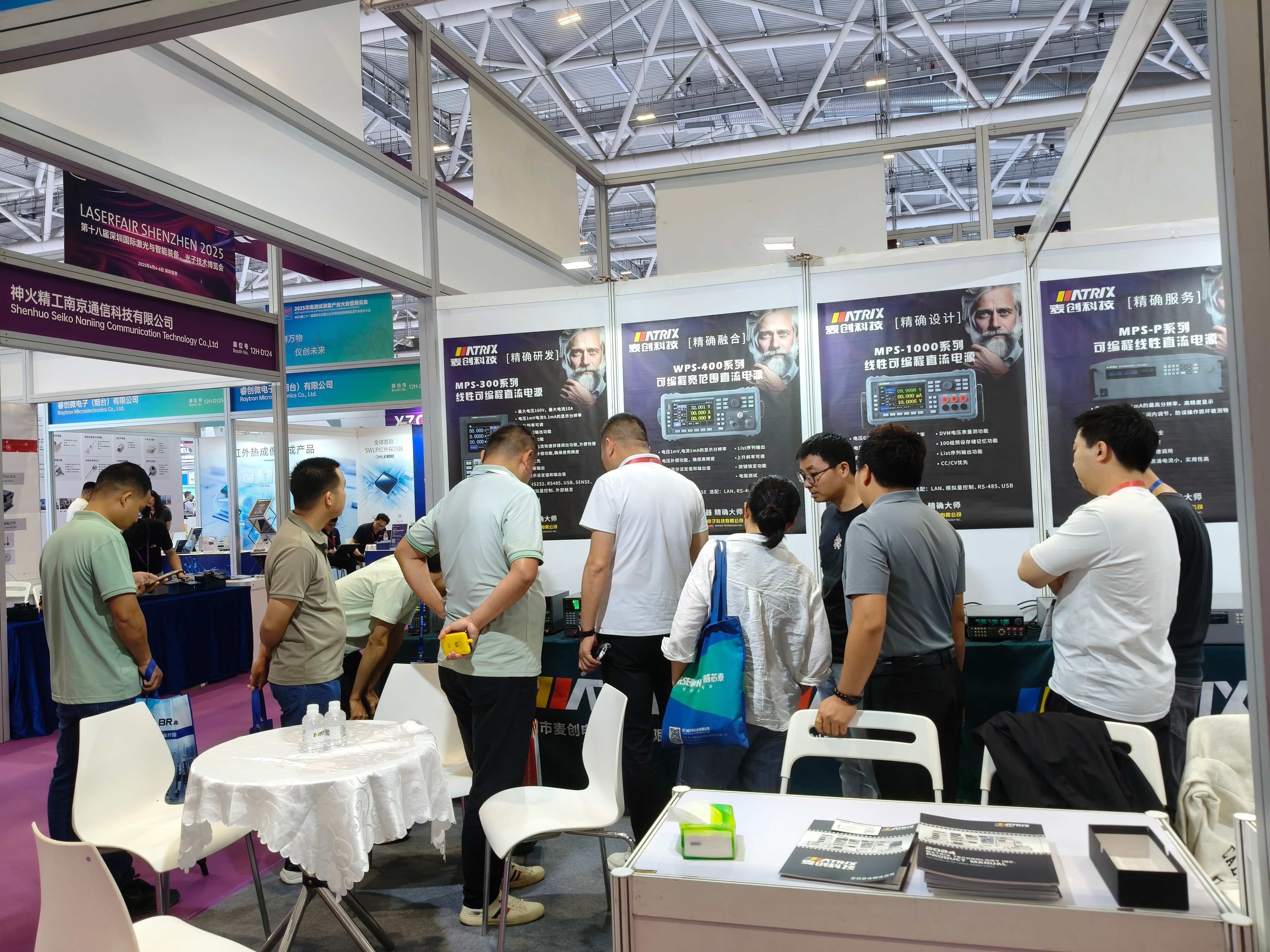
We regularly present our power and testing instrumentation products at international trade fairs, demonstrating our commitment to quality and technical support.
Choosing the Right Power Bias System for Your LCR Measurements
Selecting the correct DC power supply to support LCR impedance testing depends on several key parameters: voltage and current limits, precision controls, noise metrics, and system programming capabilities. In Calgary’s telemetry and aerospace industries, test setups must be configurable to meet varying standards. Using a low-noise, programmable switching power supply like the MATRIX MPS-3600S-600-6 provides the stability required for testing downhole transmitters and sensor assemblies.
Key Parameters to Consider:
- Output Ripple and Noise: Power supplies with higher ripple can disrupt the sensitive AC signals used by LCR meters. Matrix designs focus on minimizing output noise to protect test accuracy.
- Programmable Output Curves: Automated testing routines rely on power supplies that can step through multiple voltage or current bias points automatically, speeding up quality control processes.
- Built-In System Protection: Fast Over-Voltage (OVP) and Over-Current Protection (OCP) are essential for protecting custom prototypes and expensive test components during automated test sweeps.
Additionally, modern test labs prioritize remote control capabilities. Interface options like RS232, RS485, USB, and LAN allow our programmable power supplies to integrate directly with SCPI command sequences or custom software interfaces. This programmability helps labs run automated test sequences, logging LCR parameters under varying load conditions over hours of continuous operation.
Frequently Asked Questions
Find answers to common questions about LCR meters, DC bias power configurations, and shipping to Alberta.
Need Help Configuring Your LCR Testing Hardware?
Get in touch with our applications team to discuss your testing requirements, request a quote, or find the right power configuration for your lab in Calgary.
Contact Our Technical Sales Team